


SAKE blog


Published: 2023.01.13
Last modified: 2026.09.13
How to warm Sake – Change in temperature, flavor, texture
One of the features of Sake is that it offers various charms in different temperatures. Warmed Sake has unique names according to its temperature. Let me explain the specification and charms of warmed Sake.
Temperature variations within Kanzake
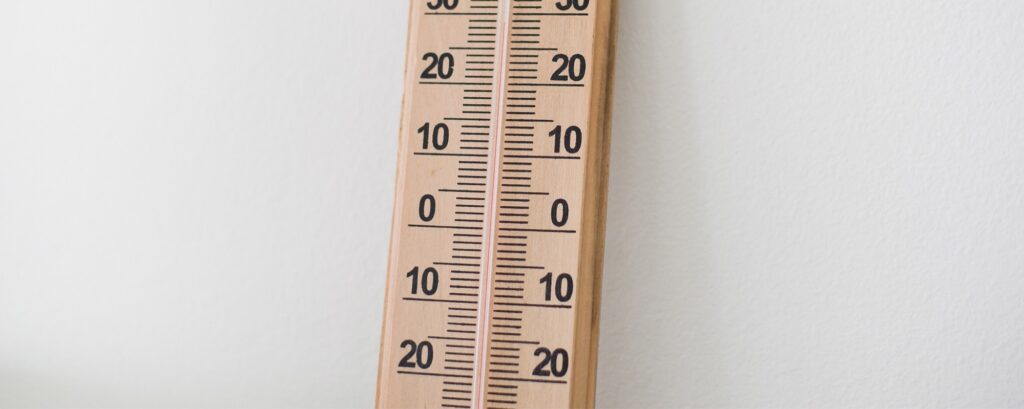
The term ‘Kanzake (燗酒) is a general word used for warmed Sake.
Here are the specifications for more precise temperatures and characters:
30-35℃: Hinatakan: soft and lightly emit the scent
35-40℃: Volume is increased, and emits mild scents of rice and Koji.
40-45℃: Concentrated sharper scent
45-50℃: Dryer flavour with a sharper scent
55℃ and above: Dryer and scents get open
Keep it in mind that the boiling temperature for alcohol is 78 degrees Celsius. Once it reaches the temperature, the alcohol gets evaporated and Sake loses its original flavour. Therefore, it is recommended to warm Sake at highest 50 degrees to avoid the evaporation and loss of flavours.
How to make Kanzake?
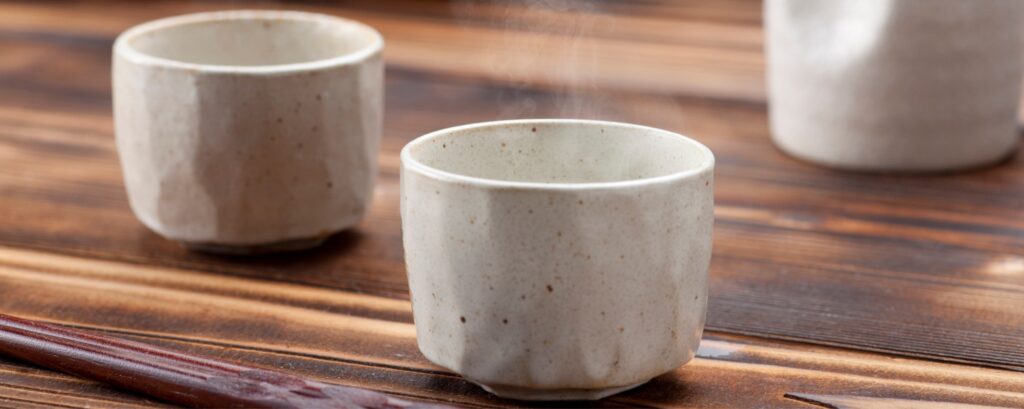
Warm in a pan
Boil water in a pan, and wait till it gets boiled. The water height needs to be the similar height as the dent of the Sake vessel. Place the vessel into the hot water and warm it. The estimated boiling time is as follows, but adjust it according to the warming speed of the content.
A vessel of 180ml,
for Netsukan temperature, boil for 3 minutes
for Nurukan temperature, boil for 2.5 minutes.
How do we know when it is ready?
- Touch the bottom of Tokkuti, Sake vessel. If it is pretty hot and you can still touch it, that’s the right temperature.
- Look at the surface of Sake inside Tokkuri. If you can see ‘Nibue’, where the surface of liquid rises up to the spout of the vessel, it is the right temperature.
- Alternatively, if you have a thermometer for Sake, ‘Okan-meter’, it is easy to check the temperature by placing the thermometer into the vessel.
Warm by microwave
When you use microwave, set the power to 500W and follow this:
Pour Sake into a vessel from bottle, and place it in the microwave
A vessel of 180ml,
For Netsukan temperature, warm for 60 seconds
For Nurukan temperature, warm for 50 seconds
Make sure you circulate the contents with a muddler. When you use microwave to warm up liquid, heat transmission is not uniform and there will be a temperature gap between the top and the bottom of the contents. It is highly recommended to circulate the contents afterwards.
Sake types suitable for Kanzake and tips
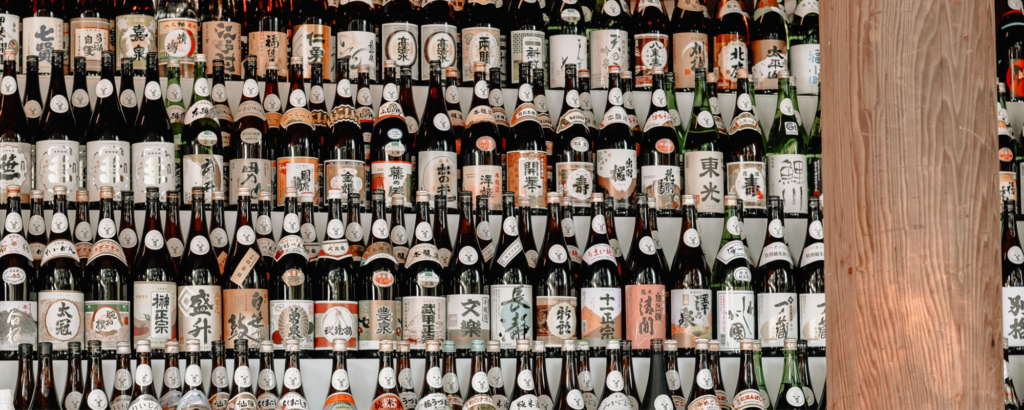
Kanzake style is suitable for rich thick type of Sake, such as Junmai and Honjozo Sake.
Junmai Sake generously emits the flavours of rice and Koji. By warming it up, Junmai Sake gives a milder taste and more elegant flavour. Honjozo Sake, on the other hand, turns sharper giving a fresh finish. Ginjo style Sake has unique fruity flavours. Its delicate characters are likely to disappear by warming it up, so Kanzake style is not recommended for Ginjo. Chill it when you want to enjoy Ginjo style Sake.
Just try to be a little careful when you drink Kanzake! You are likely to feel tipsy more quickly than drinking Sake of normal temperature because the temperature of Kanzake is similar to that of human blood.
Enjoy each sip slowly and feel mindfully your body warming up from inside. In addition, make sure you prepare water on the side. By drinking a sip water in between, the circulation of alcohol gets slower and you are less likely to have a hangover.
To sum up, by warming Sake, you will be able to find various characters of Sake which are hidden or not prominent at cold / room temperature. Sake is rich in varieties and show different faces according to the temperature and serving styles. Try Kanzake on a cold winter
day and you might find new characters of your favourite Sake!

President & CEO, Kobayashi Junzo Shoten Co., Ltd.
Based in Osaka, I lead Kobayashi Junzo Shoten, a sake wholesaler founded in 1890. Through the cultural richness of Japanese sake, my mission is to connect people and bring smiles to dining tables around the world.
While technology continues to make the world feel smaller, the stories and traditions behind sake brewing can easily fade into the background. I see my role as a bridge—sharing the passion of brewers, opening doors for new audiences, and delivering sake in a way that feels more approachable and relatable.
I enjoy visiting sake breweries, learning about new rice varieties and brewing techniques, and spending time with toji (master brewers) and kurabito (brewery workers) to experience the spirit of sake-making firsthand. On this blog, I’ll share those encounters, my personal insights, and tips to help you enjoy sake even more.
Thank you for reading, and I look forward to connecting with you.
Latest Articles
One stop Quotation Inquiry System
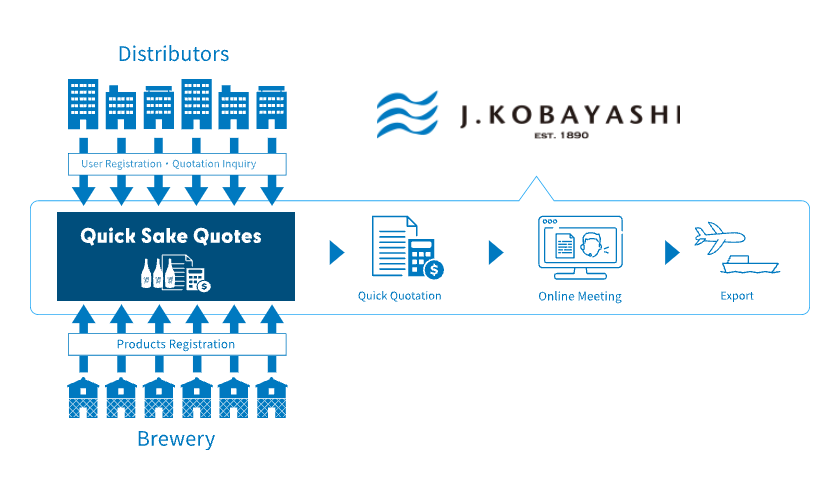
Quick SAKE Quote (QSQ) is a quotation inquiry system where you can receive quotations instantly. In most cases, it takes time to get a quotation for importing Sake, especially when dealing with several breweries. If you finally get an answer after a week or so, the response may be, “They already have a partner in your country,” and you have wasted your valuable time. Let's start your Sake import business efficiently with QSQ!
Read About QSQ
Contact Us
Quick SAKE Quote(QSQ hereafter) is a quotation inquiry system you can receive Quotation instantly.
Join our mailing list
Quick SAKE Quote(QSQ hereafter) is a quotation inquiry system you can receive Quotation instantly.
we will share content that:
Clear and explain the point without too much words.Contains at least one figure or clear example.Make you learn something new, or at least to remind you of it.