


SAKE blog


Published: 2022.07.29
Last modified: 2026.10.20
White Koji, black koji : Sake and acidity. Is acidity a new trend in Sake?
*Koji is a type of mold which contains enzymes to convert starch into sugar and glucose.
Traditionally acidity in Sake was considered unideal to be accompanied with Japanese cuisine, Washoku. However, in recent years, we have found more variety of Sake with acid flavours. It is believed that the expansion of Japanese cuisine in terms of flavourings and cooking methods, created a more welcoming base for acid Sake. For example, fried dishes with strong flavours go well with acidity, so acid Sake can make a good match. These days acidity is one of the hot topics among the Sake breweries, therefore they research and develop new types of Sake to propose flavours that create a great marriage with cuisine.
This article focuses on acidity in Sake.
(Conventional) yellow Koji, white Koji and black Koji
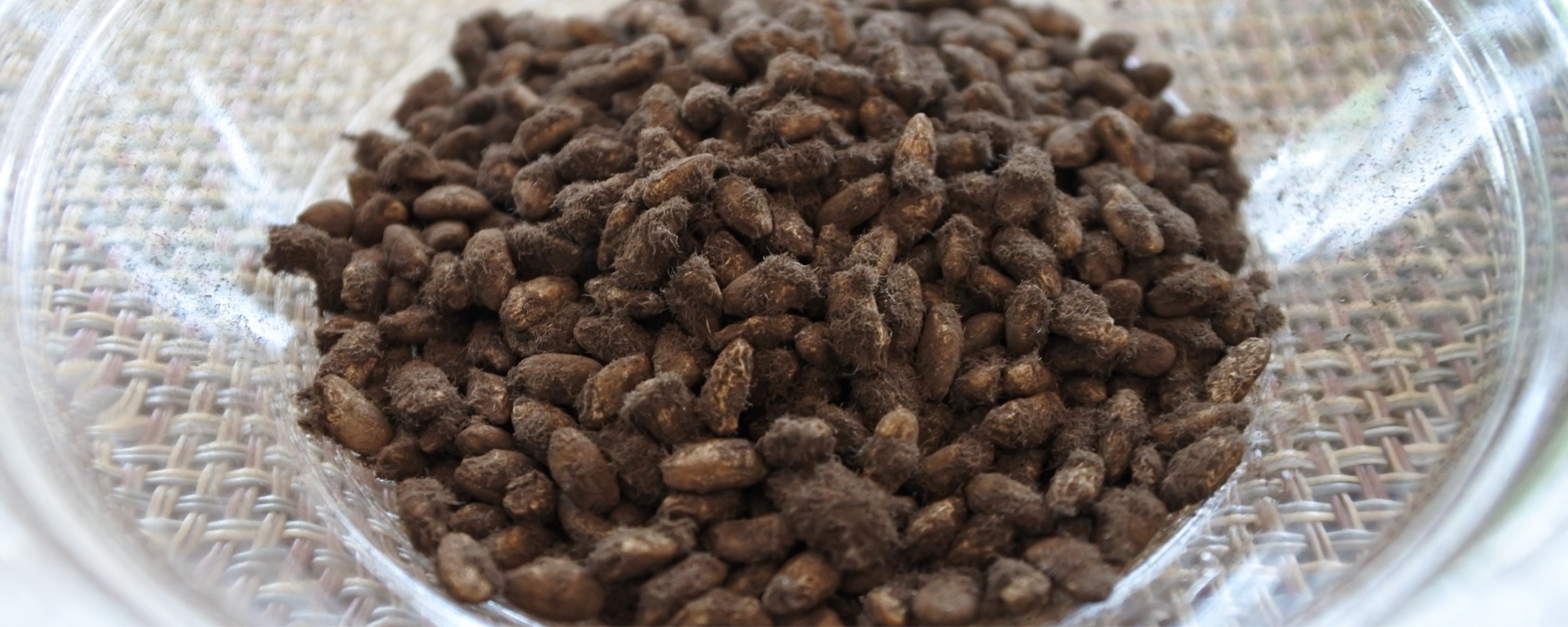
Koji used for Sake and Shochu making is narrowed down to 3 types : yellow koji, white koji and black koji. Generally, yellow koji has been used for Sake, and white koji for Shochu, and black koji for Awamori. With an innovative flow, Sake made from white koji and black koji is drawing attention these days.
Why did the breweries use yellow koji for sake making in first place?
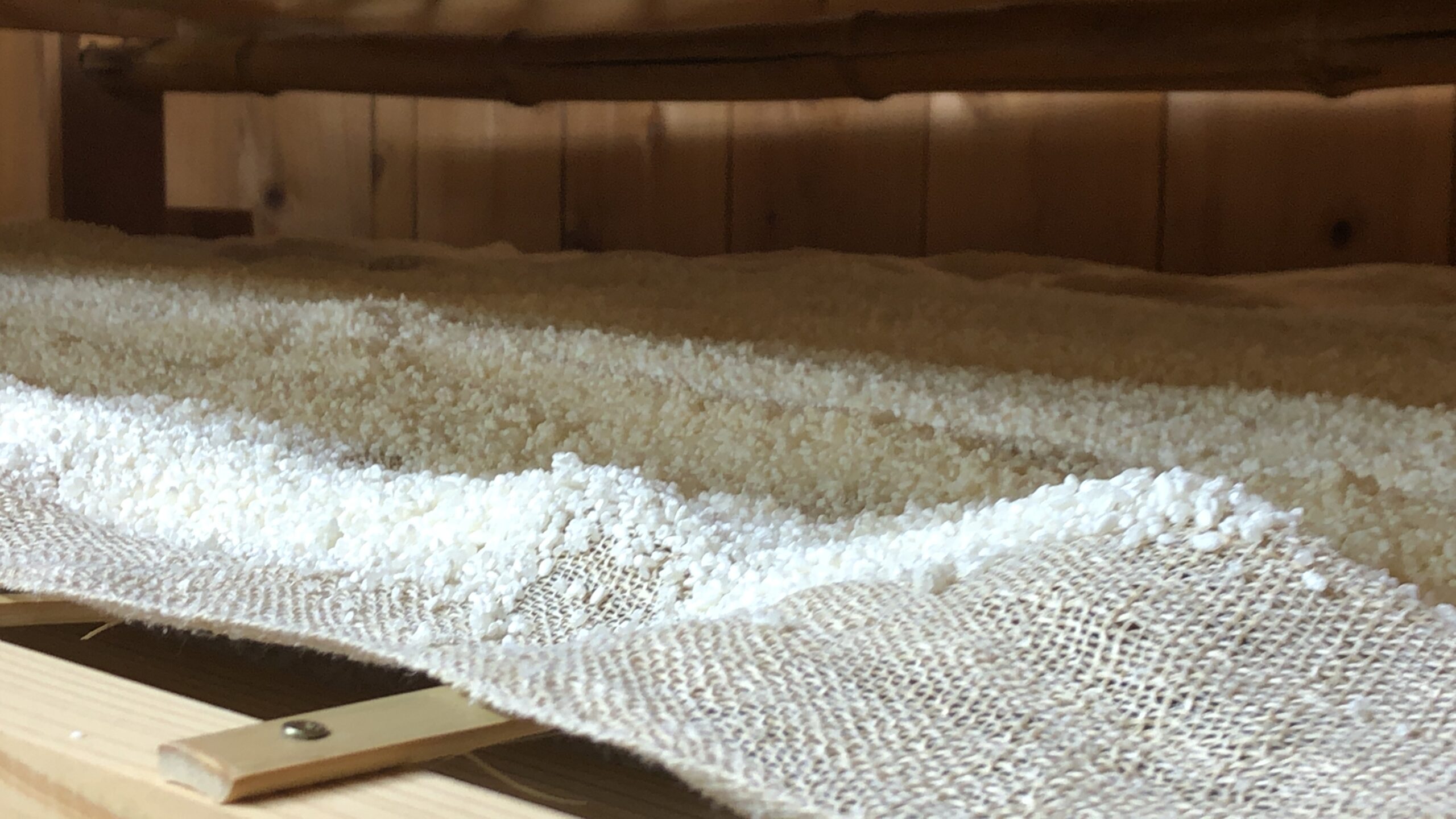
It is because yellow koji composes more amylase to turn starch into glucose compared to white koji and black koji. Breweries, however, now enjoy experimenting by choosing different colours of koji to acquire special flavours. The amount of amylase produced by white koji and black koji is less than by yellow koji, whereas both white and black compose citric acid which cannot be acquired by yellow koji. Citric acid, as its name says, is contained in citric fruits and adds fresh acidity to Sake. Conventional Sake could not express these flavours, therefore they propose unprecedented characters to Sake.
White koji is on the spotlight

White koji was born from a mutation of black koji mold. One of the common features of white and black koji is that they produce citric acidity. Sake from white koji tends to have milder acidity, leaving a soft ending. Holding a refreshing taste with light acidity, it can be enjoyed in a wine glass. With an extended variation of food, Sake should not stay only as an accompaniment of Japanese food. This is the motivation breweries continue to produce new flavours.
Black koji to bring a powerful taste

Black koji composes a good quantity of citric acid. Sake produced from black koji has rather heavy body while keeping dry acidic flavours. Black koji has long been thought unstable for delicate flavours of Sake since it gives such a powerful tastes. It is up to individuals’ preferences in tastes, whereas there exist core fans for black koji sake. They are charmed by a unique powerfulness black koji brings. If you like medium to heavy body, try black koji Sake for an experience!
ikki is looking for a partner who can post your knowledge or activity on our media. If you are interested please contact us through CONTACT page.

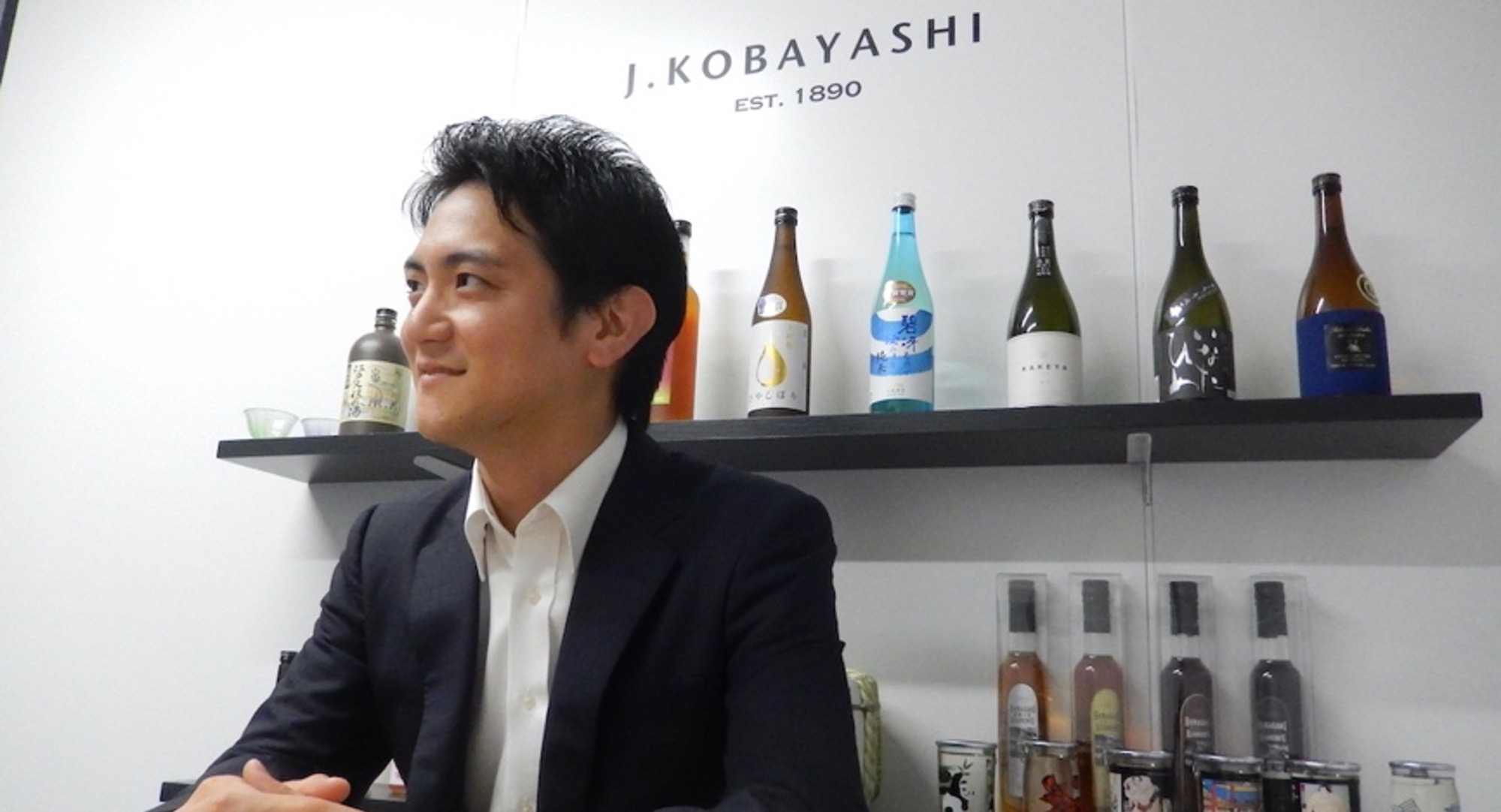
President & CEO, Kobayashi Junzo Shoten Co., Ltd.
Based in Osaka, I lead Kobayashi Junzo Shoten, a sake wholesaler founded in 1890. Through the cultural richness of Japanese sake, my mission is to connect people and bring smiles to dining tables around the world.
While technology continues to make the world feel smaller, the stories and traditions behind sake brewing can easily fade into the background. I see my role as a bridge—sharing the passion of brewers, opening doors for new audiences, and delivering sake in a way that feels more approachable and relatable.
I enjoy visiting sake breweries, learning about new rice varieties and brewing techniques, and spending time with toji (master brewers) and kurabito (brewery workers) to experience the spirit of sake-making firsthand. On this blog, I’ll share those encounters, my personal insights, and tips to help you enjoy sake even more.
Thank you for reading, and I look forward to connecting with you.
Latest Articles

One stop Quotation Inquiry System
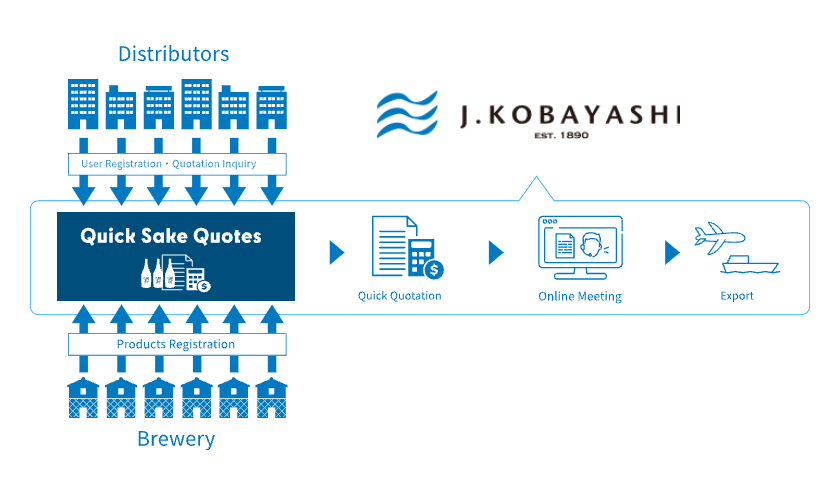
Quick SAKE Quote (QSQ) is a quotation inquiry system where you can receive quotations instantly. In most cases, it takes time to get a quotation for importing Sake, especially when dealing with several breweries. If you finally get an answer after a week or so, the response may be, “They already have a partner in your country,” and you have wasted your valuable time. Let's start your Sake import business efficiently with QSQ!
Read About QSQ
Contact Us
Quick SAKE Quote(QSQ hereafter) is a quotation inquiry system you can receive Quotation instantly.
Join our mailing list
Quick SAKE Quote(QSQ hereafter) is a quotation inquiry system you can receive Quotation instantly.
we will share content that:
Clear and explain the point without too much words.Contains at least one figure or clear example.Make you learn something new, or at least to remind you of it.