


SAKE blog


Published: 2020.02.16
Last modified: 2026.09.27
Type of rice in brewing process Kojimai, Kakemai, Shubomai[Japanese Sake]
As you know, Sake is the alcohol made of rice. In order to produce 1800ml Junmai Sake, theoretically need 1.3kg of brown rice needed but not only 1 kind of rice. As you can find from the label, there are kinds of rice used to brew Japanese Sake such as Kake mai, Koji mai and Shubo mai. On this page ikki deliver the information about the kinds of rice used in the brewing process and their difference.
Koji Rice 麹米
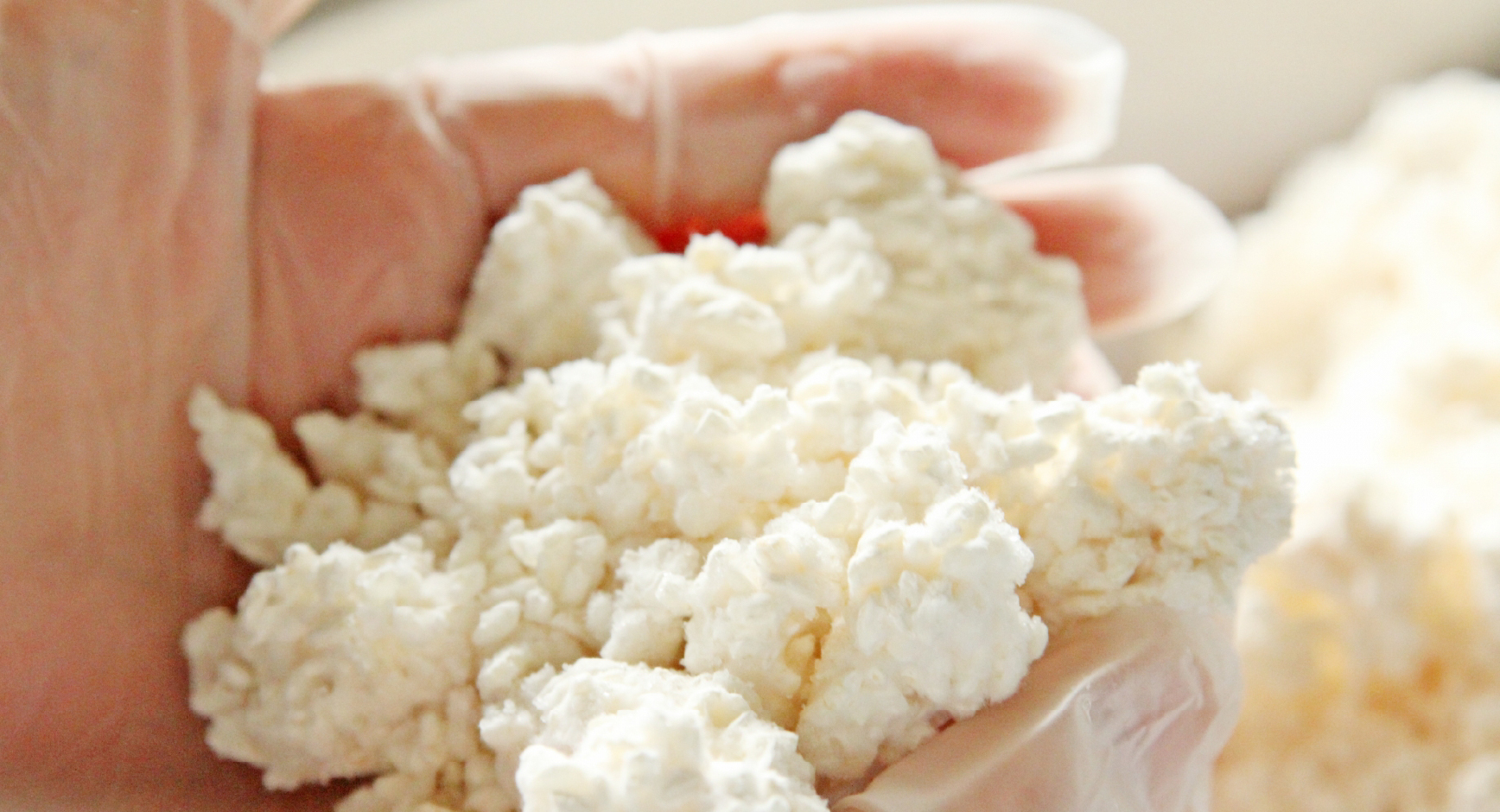
Koji rice is the rice used to produce rice koji. In the room of koji “Koji-muro”(麹室), toji spend 3 days and nights to produce the best quality koji. As koji is a living, the temperature and humidity control are very severe. Toji keeps measuring the temperature of rice koji to see how much the koji rice fermented.
Out of all the rice used in the Sake brewing process, about 20 % is Koji rice. It works as a trigger of the whole fermentation process of Japanese Sake brewing, so it is quite important to select the quality of rice.
Shubo Rice 酒母米
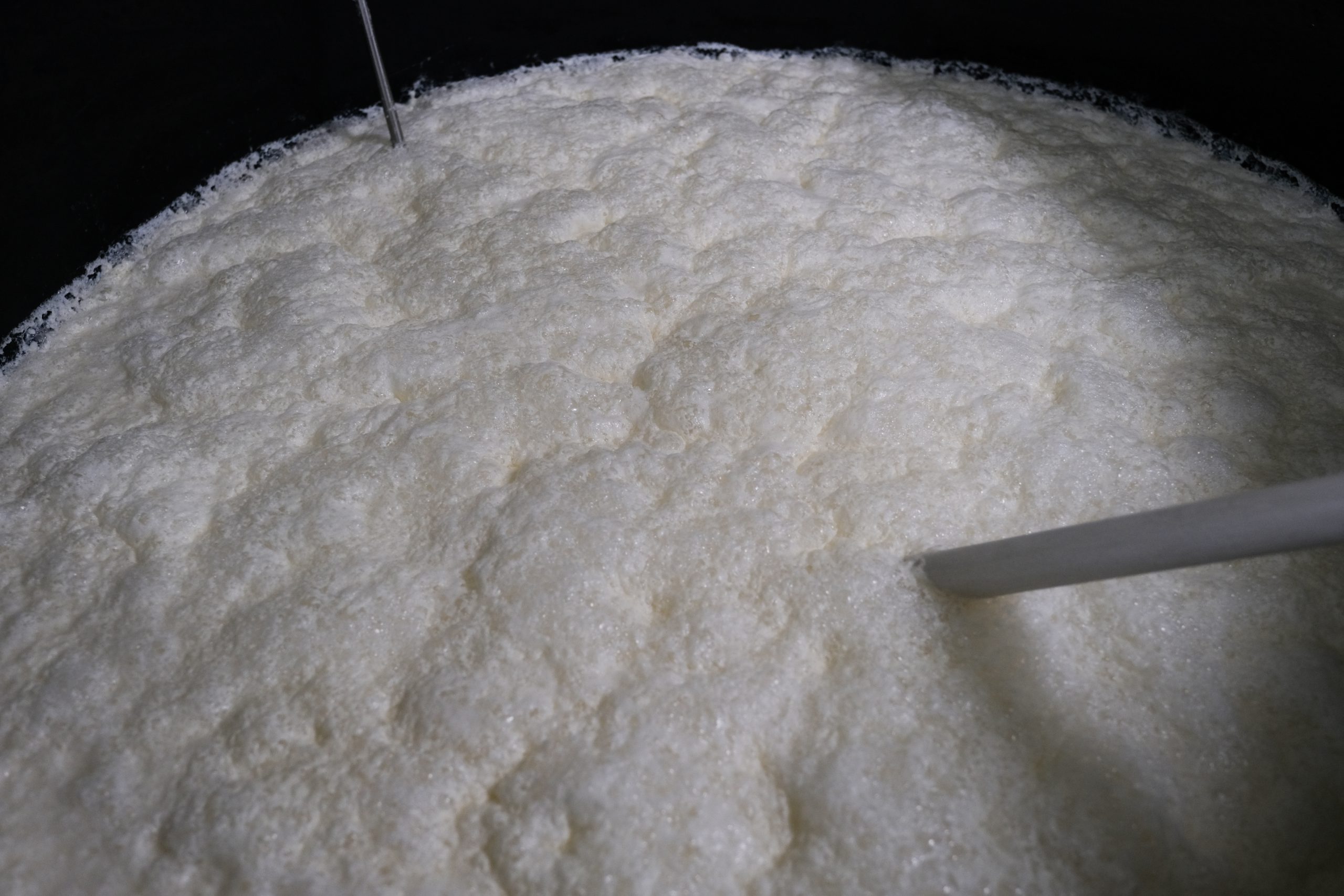
Shubo rice is the rice used to produce Shubo (rice mash). Approximately, 30% of Shubo rice is from Koji rice and 70% is from Kake rice. From the total rice used in the brewing process, Shubo rice is around 7~10% so not much. Nevertheless, Shubo is a heart of Japanese Sake, so this 10% will play an important role in the brewing.
Kake Rice 掛米
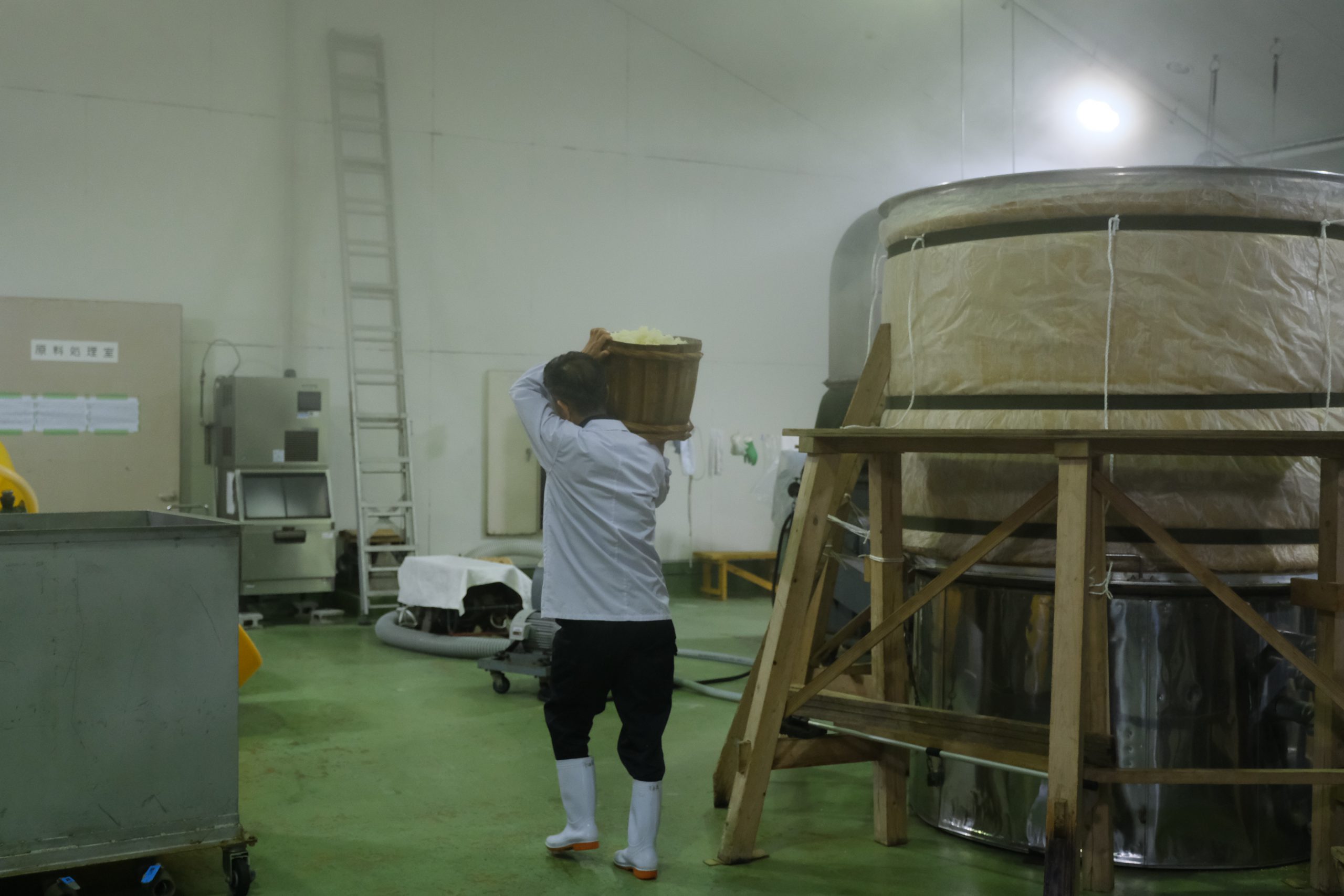
Kake rice is in the process of producing Moromi 醪. It is 70% of all the rice used in the brewing process. In the process of Moromi Shikomi, there are stages of adding rice to control the fermentation to realize the aiming taste quality. Today, most of the Shikomi process are 3 stages “Sandan Jikomi”(三段仕込み). For the other products such as Mirin, Amazake or special sec products, it might be 4 stages or even 10 stages but mostly 3 stages. This 3 stages called Hatsu-zoe, Naka-zoe, Tome-soe and details are as below;
Day1: Hatsu Zoe 初添え
In the tank, firstly add Shubo. On top of Shubo add Koji rice, steamed kake rice and water to start Shikomi. The volume is almost double the volume of Shubo. Shubo initiate the fermentation.
Day2: Odori 踊り
Odori is basically leaving the tank. It is to increase the number of Kobo (yeast) for Naka-zoe and Tome-soe as it will be more rice in the tank.
Day3: Naka Zoe 仲添え
Add the double amount of rice as Hatsu-zoe. By increasing the amount of rice by stage, Toji can control the level of fermentation.
Day4: Tome Soe 留添え
Add the double amount of rice as Naka-zoe. After this process, we can get Moromi and move the moromi to the tank to rest and ferment more.
In this page, ikki deliver the role of rice and its type.
Please feel the Umami of rice from Japanese Sake.



President & CEO, Kobayashi Junzo Shoten Co., Ltd.
Based in Osaka, I lead Kobayashi Junzo Shoten, a sake wholesaler founded in 1890. Through the cultural richness of Japanese sake, my mission is to connect people and bring smiles to dining tables around the world.
While technology continues to make the world feel smaller, the stories and traditions behind sake brewing can easily fade into the background. I see my role as a bridge—sharing the passion of brewers, opening doors for new audiences, and delivering sake in a way that feels more approachable and relatable.
I enjoy visiting sake breweries, learning about new rice varieties and brewing techniques, and spending time with toji (master brewers) and kurabito (brewery workers) to experience the spirit of sake-making firsthand. On this blog, I’ll share those encounters, my personal insights, and tips to help you enjoy sake even more.
Thank you for reading, and I look forward to connecting with you.
Latest Articles

One stop Quotation Inquiry System
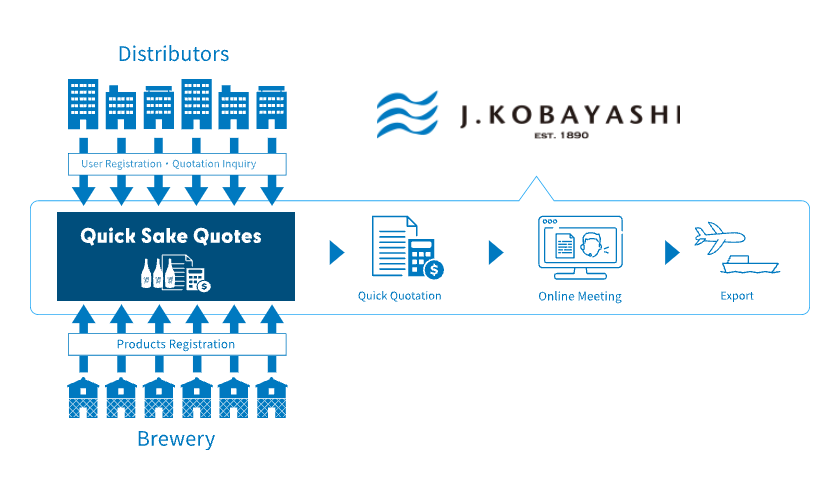
Quick SAKE Quote (QSQ) is a quotation inquiry system where you can receive quotations instantly. In most cases, it takes time to get a quotation for importing Sake, especially when dealing with several breweries. If you finally get an answer after a week or so, the response may be, “They already have a partner in your country,” and you have wasted your valuable time. Let's start your Sake import business efficiently with QSQ!
Read About QSQ
Contact Us
Quick SAKE Quote(QSQ hereafter) is a quotation inquiry system you can receive Quotation instantly.
Join our mailing list
Quick SAKE Quote(QSQ hereafter) is a quotation inquiry system you can receive Quotation instantly.
we will share content that:
Clear and explain the point without too much words.Contains at least one figure or clear example.Make you learn something new, or at least to remind you of it.