


SAKE blog


Published: 2022.04.29
Last modified: 2026.09.27
Sparkling Sake – fizziness in Japanese traditional alcohol
Now try to imagine festive moments where you are ready to toast with a fancy glass in your hand. What drinks do you expect in your glass? Something fizzy? Sparkling wine or champagne might be the frequent companions for celebrative occasions such as parties and anniversaries. Why don’t you try sparkling Sake for a change next time? Fizzy Sake surely adds an accent to the festive atmosphere. Let us explore the world of sparkling Sake now.
What exactly is Sparkling Sake?

Sparkling Sake can also be known as Happo-seishu (発泡清酒), Happo-nihonshu (発泡日本酒), and Sparking nihonshu (スパークリング日本酒). Don’t get confused, they are identical unless indicated.
Most of us are familiar with Sake without fizziness. Then how can it be fizzy? There are a couple of variations in acquiring fizzy characters, from natural generations as well as manual addition of carbohydrate. The fist method is to obtain carbohydrate generated from the fermentation process where koji turns starch into glucose, and kobo turns glucose into the combination of alcohol and carbohydrate. The second method is to manually add carbohydrate to the Sake. The third is, natural generation of carbohydrate through the secondary fermentation process.
What is typical for Sparkling Sake is that they are lower in alcohol and sweeter in taste compared to other kinds of Sake. Thanks to its wide variety and light flavours, sparkling Sake is supported by relatively new, young and female drinkers who are probably not the most powerful enthusiasts of normal Sake. Some sparkling Sake is ideal for daily consumption, others may be kept for more special occasions. Such varieties as Nigori style (not transparent style), and light pink sparkling Sake attract the beginners of Sake drinkers.
3 different processes of acquiring fizziness
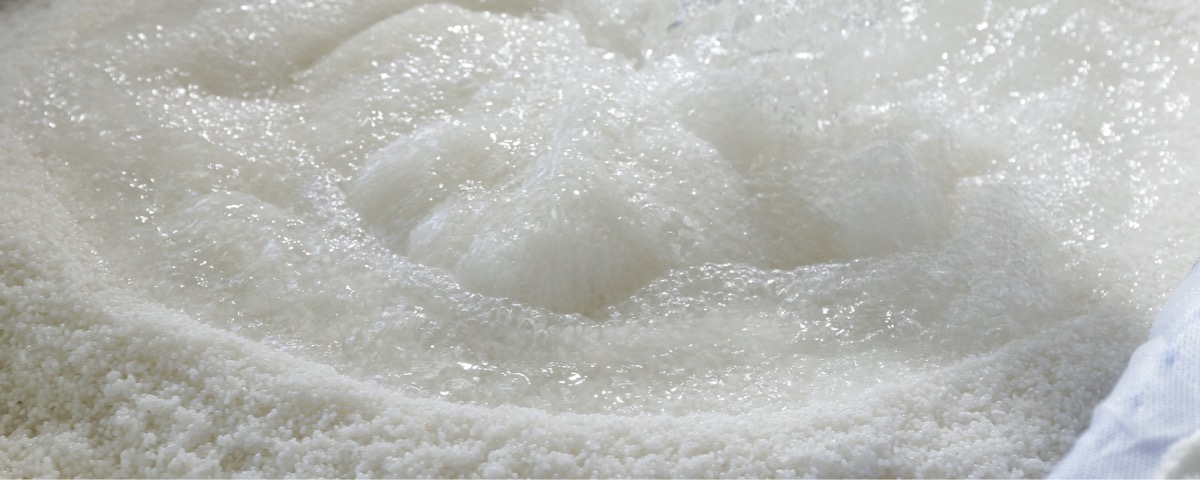
Kassei-Nigori (活性にごり) Style
Breweries use rough filters for Moromi. By doing so, bacteria remain alive inside the filtered Moroni. In this method, carbohydrate is obtained through the fermentation of rice, water and koji. Since the Sake is only roughly filtered, the content does not look very clear, and it could look even mushy. Most of the sparkling Sake produced in this method has a muddy texture like yogurt. Due to the large existence of active bacteria, when bottled, some products have ventilation holes on the lid to prevent the explosive pressure from inside.
Addition of carbohydrate
In this method, carbohydrate is added after the completion of Sake production. The level of fizziness can be manually adjusted depending on the amount of carbohydrate added. It usually provides a different texture from the naturally generated fizziness. As the level of carbohydrate can be adjusted, the quality is controlled more easily. Besides, it can also be stored in a room temperature. The cost of production can be kept rather low, therefore the product is available to the mass to drink casually through the domestic networks of convenient stores and hypermarkets.
Secondary fermentation (瓶内二次発酵)
In a similar manner as Kassei-Nigori style, this method uses natural fermentation technic. As this method is used for Sake whose fermentation is not strong enough to acquire the good level of carbohydrate, one of Moromi, kobo or glucose is added after it is poured into bottles to induce secondary fermentation. This step helps to acquire sparkling Sake of soft texture with a mild level of fizziness. This fermentation process is similar to that of Champagne, so called chaptilization. Thus, sparkling Sake is called Japan-made champagne.
Sparkling Sake in both Kassei-Nigori style and secondary fermentation style could explode and break the bottle when the fermentation lasts too long. The best way to store the bottles is to refrigerate the bottles and keep away from stimulative factors.
How to enjoy?
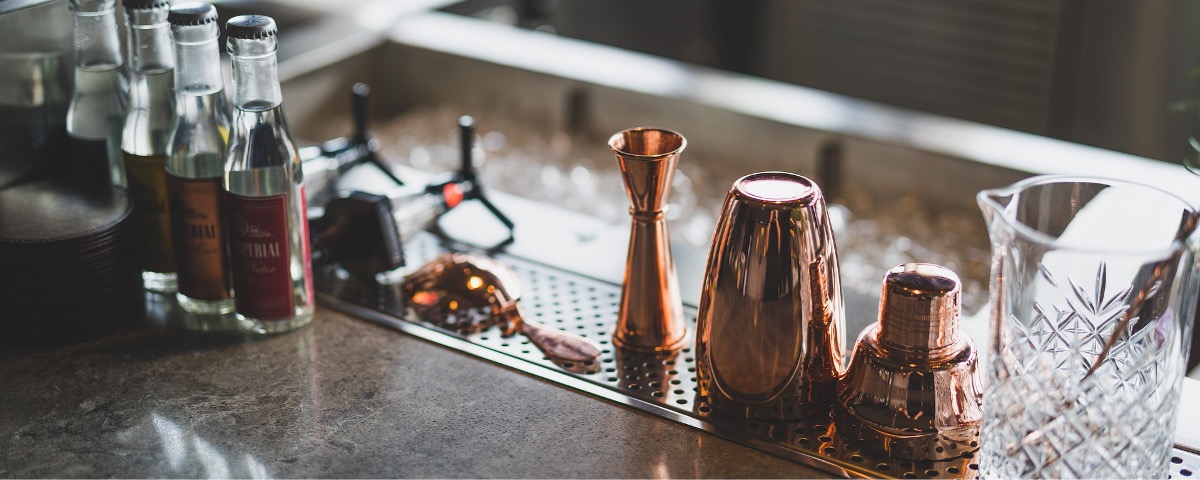
Sparkling Sake on the rock is highly recommended on a hot summer day as cold fizzy drinks should provide refreshing moments. Alternatively, sparkling Sake over shaved ice can instantly cool you down. Mixing with soda or sparkling water can lower the percentage of alcohol, and the drink should feel good onto the thirsty throats. Sparkling Sake and Fresh juice like tomato juice and other types of fruit juice also makes a great match. Natural sweetness of rice provides a soft base for the drink by creating harmony of the drink. Fresh fruits should add an accent to it, in a similar way as we add berries or herbs to sparkling wines. Adding squeezed juice of lemon or other citrus fruits gives a refreshing touch to sparkling Sake. If you have a sweet teeth, you could also spread sparkling Sake over scoops of ice cream.
Awa sake Association established in 2016 examines sparkling sake according to their own criteria. It aims to push sparkling sake to become a well-known toasting drink over the world. Be a supporter and toast with sparkling Sake your next celebrative moments!
ikki is looking for a partner who can post your knowledge or activity on our media. If you are interested please contact us through CONTACT page.

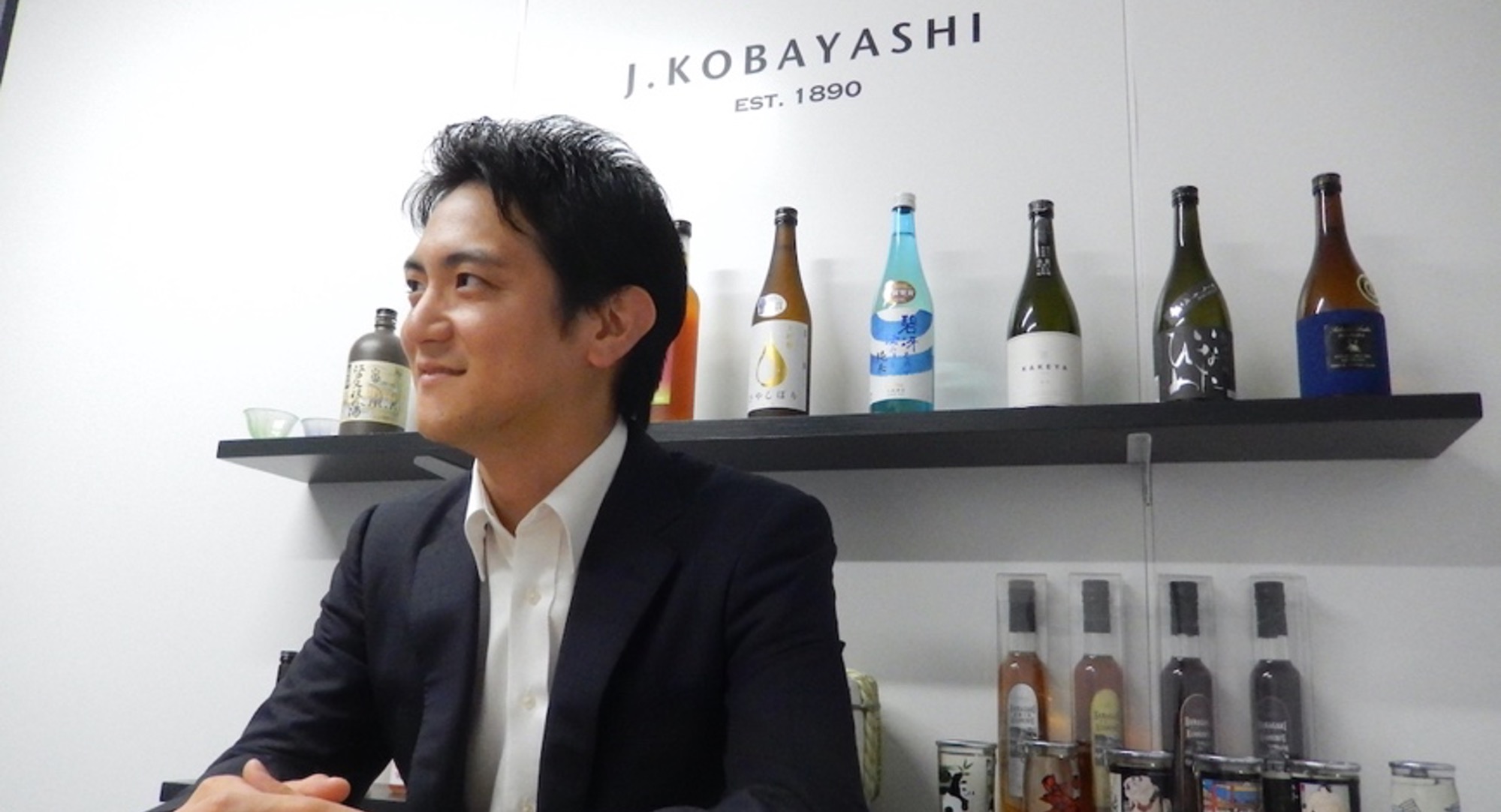
President & CEO, Kobayashi Junzo Shoten Co., Ltd.
Based in Osaka, I lead Kobayashi Junzo Shoten, a sake wholesaler founded in 1890. Through the cultural richness of Japanese sake, my mission is to connect people and bring smiles to dining tables around the world.
While technology continues to make the world feel smaller, the stories and traditions behind sake brewing can easily fade into the background. I see my role as a bridge—sharing the passion of brewers, opening doors for new audiences, and delivering sake in a way that feels more approachable and relatable.
I enjoy visiting sake breweries, learning about new rice varieties and brewing techniques, and spending time with toji (master brewers) and kurabito (brewery workers) to experience the spirit of sake-making firsthand. On this blog, I’ll share those encounters, my personal insights, and tips to help you enjoy sake even more.
Thank you for reading, and I look forward to connecting with you.
Latest Articles
One stop Quotation Inquiry System

Quick SAKE Quote (QSQ) is a quotation inquiry system where you can receive quotations instantly. In most cases, it takes time to get a quotation for importing Sake, especially when dealing with several breweries. If you finally get an answer after a week or so, the response may be, “They already have a partner in your country,” and you have wasted your valuable time. Let's start your Sake import business efficiently with QSQ!
Read About QSQ
Contact Us
Quick SAKE Quote(QSQ hereafter) is a quotation inquiry system you can receive Quotation instantly.
Join our mailing list
Quick SAKE Quote(QSQ hereafter) is a quotation inquiry system you can receive Quotation instantly.
we will share content that:
Clear and explain the point without too much words.Contains at least one figure or clear example.Make you learn something new, or at least to remind you of it.