


SAKE blog


How familiarized are you with Shochu? Shochu is a distilled alcohol made in Japan. Still not clear? Other examples of distilled alcohol can be whisky, brandy, vodka and tequila.
Shochu has been made from local ingredients and has long been loved and consumed by Japanese. Let us discover the world of Shochu to understand the features, types and how to fully enjoy it
What is Shochu?
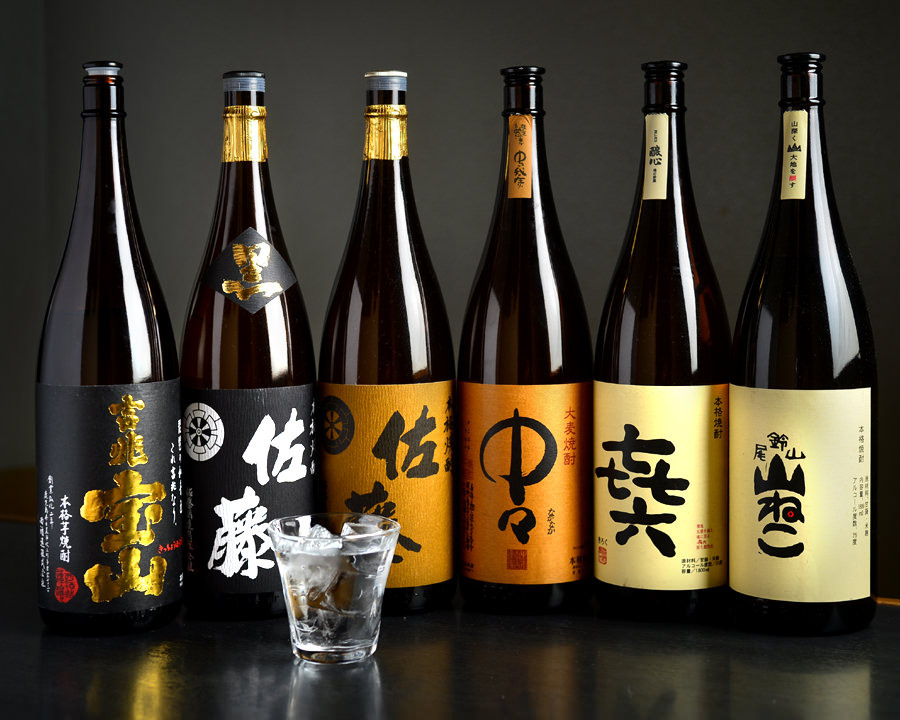
Simply speaking, Shochu is produced by distilling the fermented alcohol. The types of Shochu can roughly be divided into two categories, dependent on methods of distillation: single distillation Shochu and continuous distillation Shochu.
Single distillation Shochu is produced by single distillation machine, ending up with an alcohol level lower than 45 degrees. It expresses authentic odor and umami of the ingredients, and it is also called Shochu-Otsu-rui (焼酎乙類), Shochu under “Otsu” category.
Continuous distillation Shochu has an alcohol level lower than 36 degrees, and it has a clear flavour. It is alternatively called Shochu-Ko-rui (焼酎甲類), meaning Shochu under “Ko” category, and it is sometimes used as base liquor for cocktails and fruit Umeshu, liquor of prune.
Types of Shochu and regionality
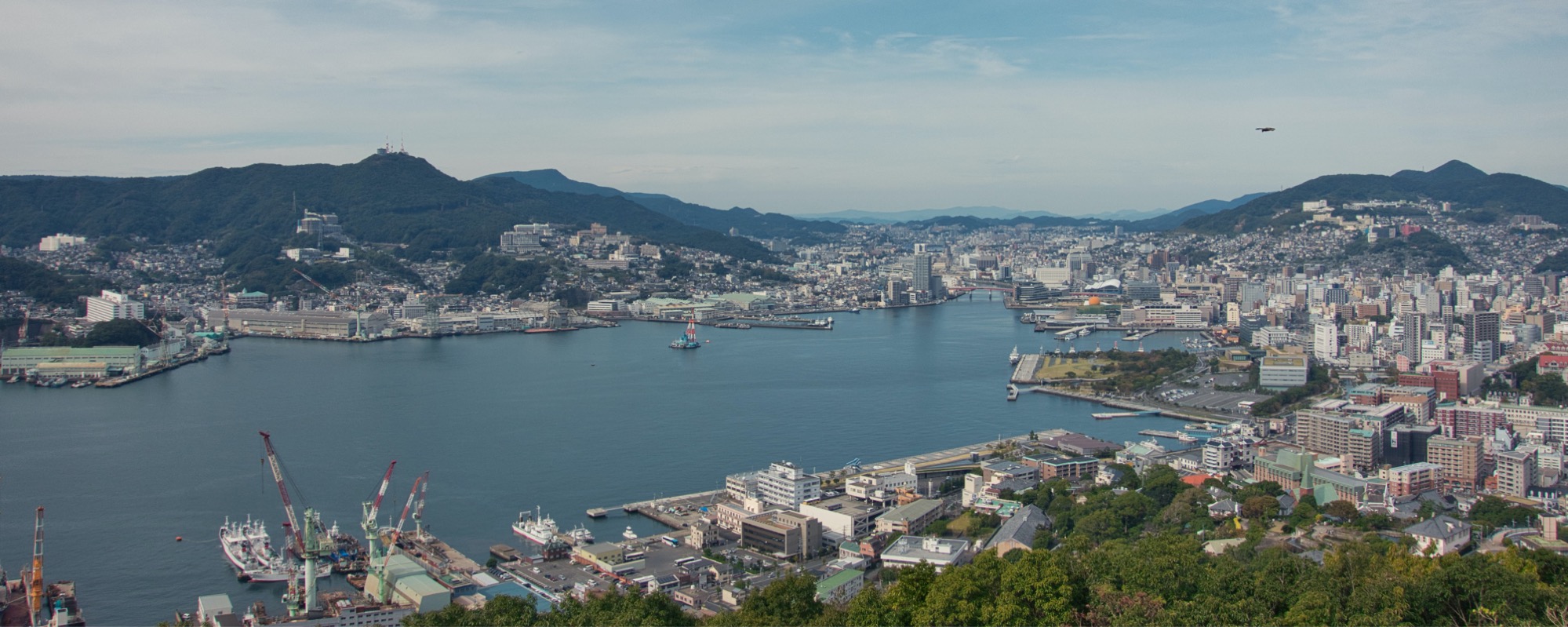
One of the characeristics of Shochu is that it is made from a variety of ingredients. Examples of commonly used ingredients are : barley, sweet potato, rice and black sugar (sugar cane).
- Mugi Shochu (麦焼酎): Main ingredient is barley. It is characterized by sharp clear taste.
- Imo Shochu (芋焼酎): Main ingredient is sweet potatoes. Sweet potatoes contribute to the sweetness and richness.
- Kome Shochu (米焼酎): It is acquired by distilling Sake, Nishonshu. It has light sweetness and provides a rather clear taste.
- Kokuto Shochu (黒糖焼酎): It is made from black sugar acquired by sugar canes. It has slightly sweet and mild flavours.
45% of Shochu production in Japan is concentrated on the Kyushu region. Its climate and an accessibility to ingredients, namely sweet potatoes and barley, are the main factors to make it a prominent production area.
Kyushu region is known better with Shochu than Sake. Why? The Kyushu is located in the South West of Japan where the climate tends to be warmer than other parts, making it unideal for Sake production. There is a higher risk of yellow koji, an ingredient of Sake, going deteriorated quickly in the warm climate.
Black koji used for Shochu prevents the deterioration of Moromi by composing citric acid. It was a rational choice for breweries in Kyushu to produce Shochu using black koji due to the climate factors. Furthermore, white koji, a mutated variant from black koji, helped provide a variety in Shochu production in the Kyushu region. White koji is also resistant against deterioration.
According to the National Tax Agency, the most commonly used ingredients of Shochu are , sweet potatoes, barely and rice, respectively. Approximately 50 % of sweet potatoes of domestic production comes from Kyushu region, and 57% for barely. Needless to say, the abundance in ingredients pushed Kyushu to become a large Shochu production site.
Progress of Shochu and its popularity
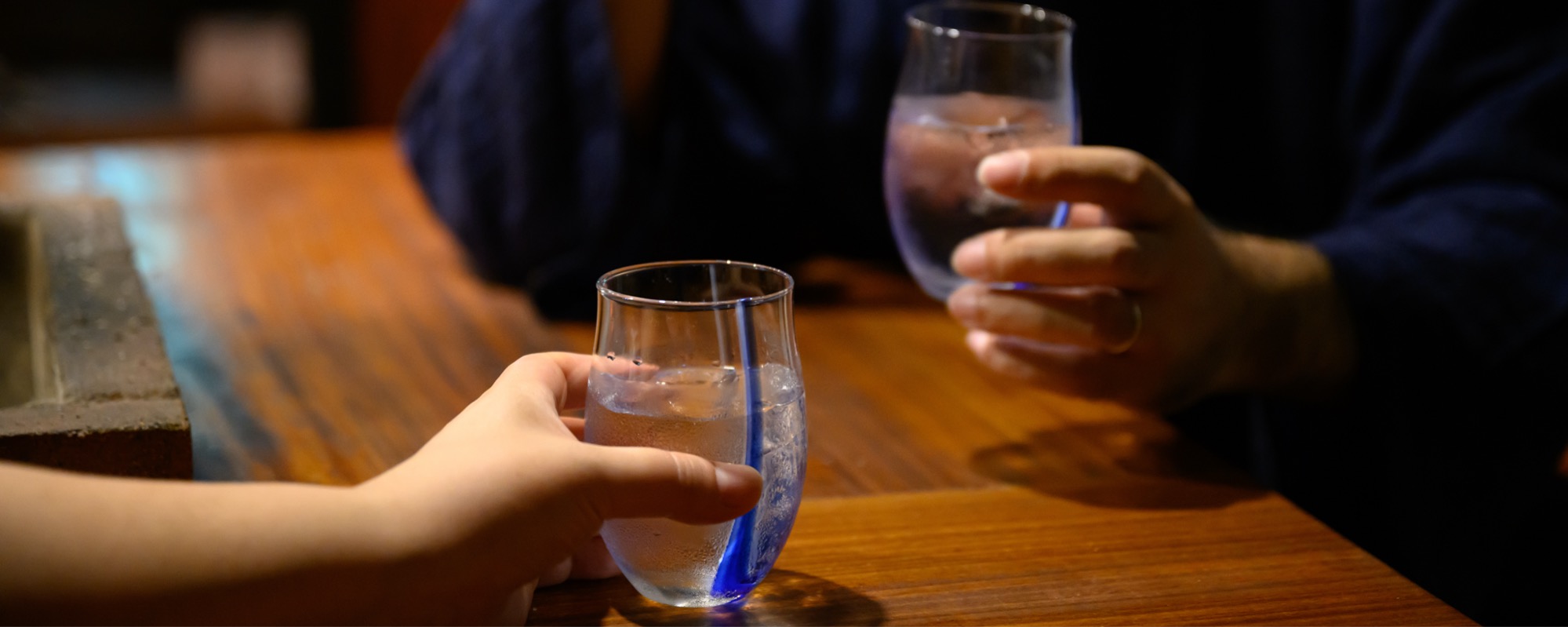
The domestic consumption of Shochu is in decrease since 2007. Demographic data reports that the consumption by male in the 20s to 40s, and female in every generation has continued to decrease. Historically, the popularity of Shochu has fluctuated. In 1980, Shochu mixed with sparkling water and fresh juice, Chu-hai, became popular. Authentic traditional Shochu took over the popularity, then the popularity of Chu-hai made a comeback thanks to the boom for hi-ball, whisky and sparkling water. Recently, there is an increasing number of young generations and female consumers who prefer to drink Shochu cocktail, by mixing with other drinks. The alcohol level for Shochu is usually around 25 degrees. However, there has been a demand for a higher degree of Shochu to make cocktails. Shochu of 40 degrees appeared to respond to these needs for base of the cocktails.
These days, there exist unique Shochu with fruity but clear flavours. They are called Kaori-kei Shochu, Shochu with aroma. Kaori-kei Shochu with its prominent aroma has been gaining popularity. By being mixed with sparkling water, it expresses fresh fruity flavours and floral aroma. It formed an innovative category of Shochu.
How to drink Shochu?
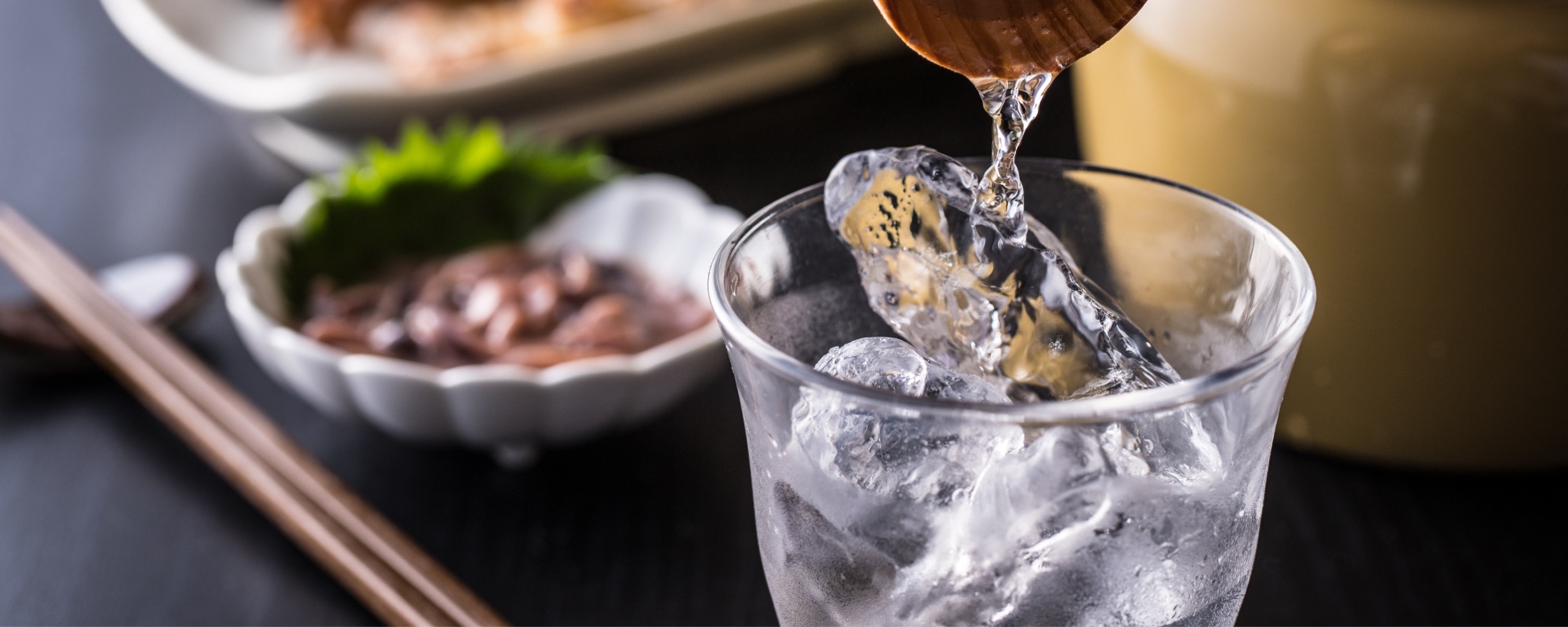
There are an unlimited ways to enjoy Shochu. You can customize your drink just like whisky. Here are just basic ways to drink Shochu. You are welcomed to create your own recipe!
・Straight
Enjoy the authentic taste and aroma of Shochu by drinking it straight. When you drink Honkaku-shochu (本格焼酎), Authentic traditional Shochu, straight is recommended to fully sense the ingredients and complexity of Shochu itself.
・On the rock
You can add some chunks of ice. By lowering the temperature, the unpleasant flavours and aroma of alcohol become less prominent, and it leaves a clear touch. Over the time ice melts, you can enjoy the transformation in the flavour, taste, and level of alcohol.
・Mixed with water
By mixing Shochu with water with ice, each sip feels light. Besides, it is easy to adjust to the preferred concentration of your choice.
・Mixed with hot water
With a higher temperature, Shochu emits more flavours and aroma. In winter, Shochu mixed with hot water is recommended because it warms your body up from inside.
・Mixed with sparking water, “hi-ball”
By mixing Shochu with sparkling water and ice, you can enjoy the stimulus of bubbles as well as the aroma powerfully stressed by the bubbles.
These are the common ways to drink Shochu. Lately, more variations in S hochu cocktails are available, for instance Shochu with orange juice, Shochu with coke, and Shochu with iced coffee. Find your favourite recipe of Shochu drinks considering matching food and your feeling of the day!
ikki is looking for a partner who can post your knowledge or activity on our media. If you are interested please contact us through CONTACT page.

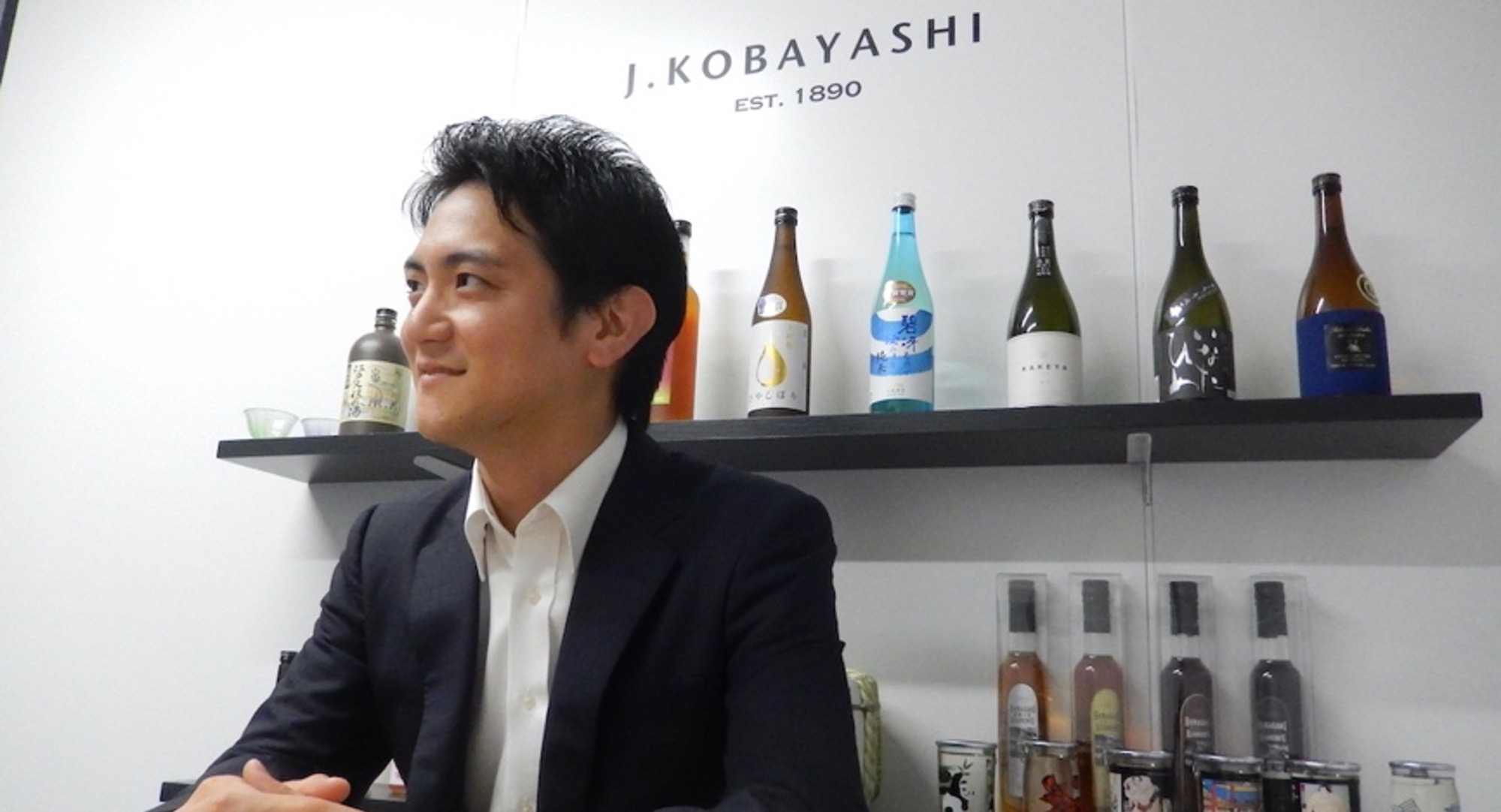
President & CEO, Kobayashi Junzo Shoten Co., Ltd.
Based in Osaka, I lead Kobayashi Junzo Shoten, a sake wholesaler founded in 1890. Through the cultural richness of Japanese sake, my mission is to connect people and bring smiles to dining tables around the world.
While technology continues to make the world feel smaller, the stories and traditions behind sake brewing can easily fade into the background. I see my role as a bridge—sharing the passion of brewers, opening doors for new audiences, and delivering sake in a way that feels more approachable and relatable.
I enjoy visiting sake breweries, learning about new rice varieties and brewing techniques, and spending time with toji (master brewers) and kurabito (brewery workers) to experience the spirit of sake-making firsthand. On this blog, I’ll share those encounters, my personal insights, and tips to help you enjoy sake even more.
Thank you for reading, and I look forward to connecting with you.
Latest Articles

One stop Quotation Inquiry System
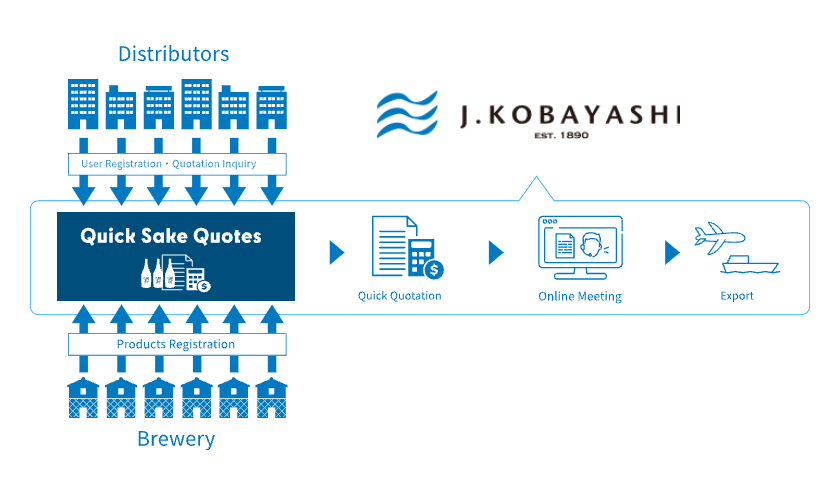
Quick SAKE Quote (QSQ) is a quotation inquiry system where you can receive quotations instantly. In most cases, it takes time to get a quotation for importing Sake, especially when dealing with several breweries. If you finally get an answer after a week or so, the response may be, “They already have a partner in your country,” and you have wasted your valuable time. Let's start your Sake import business efficiently with QSQ!
Read About QSQ
Contact Us
Quick SAKE Quote(QSQ hereafter) is a quotation inquiry system you can receive Quotation instantly.
Join our mailing list
Quick SAKE Quote(QSQ hereafter) is a quotation inquiry system you can receive Quotation instantly.
we will share content that:
Clear and explain the point without too much words.Contains at least one figure or clear example.Make you learn something new, or at least to remind you of it.