


SAKE blog


Published: 2020.10.01
Last modified: 2026.10.13
Roe – Japanese traditional Otsumami food / how Japanese people eat egg of fish roe in their food culture

***Notice – you will find the photo of fish eggs below, if you are not comfortable stop reading***
In Japanese culture, as you can imagine “Sushi” as a signature dish of Japan, sea foods plays a significant role. When we look at the map of Japan you can realize Japan is entirely surrounded by sea and ocean, and the current of the sea is different to the area. In the other word, the type of sea food is very wide across Japan.
Maybe you have heard of the word “Mottainai”. This word means “try not to through away”, so from sea food Japanese people have been eating not only meat. Japanese people use skin, bone and even eggs of fish, so called [ROE].
This time, ikki delivers the information about fish of the egg roe and how Japanese people have been enjoying them in their culinary culture and also with Japanese Sake as Otsumami.
Japanese Otsumami – Roe
How many kinds of fish egg “roe” do you know? In Japan, there are varieties of roe enjoyed in their food culture. Below, you can find the kind of roe and how Japanese enjoyed.
Roe you can buy in super market
Tarakao – egg of walleye pollock
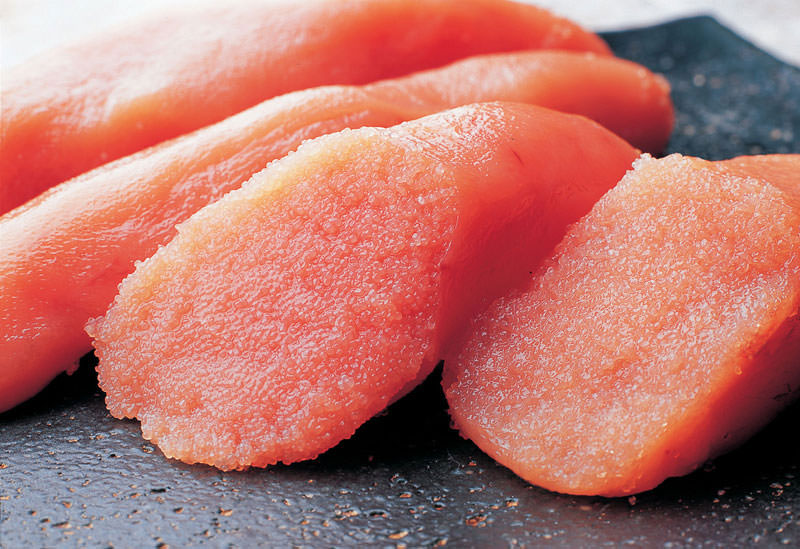
Tarako is one of the most common fish egg enjoyed in daily scene. When you go to the convenience store like Lawson, or Seven-Eleven in Japan, you must find Tarako Onigiri(rice ball). In addition, Tarako is just salted fish egg, but in North Kyushu they put green peppers when salt the eggs and it is called Mentaiko. This is also very famous and seen in Japanese daily food culture.
Ikura – egg of salmon
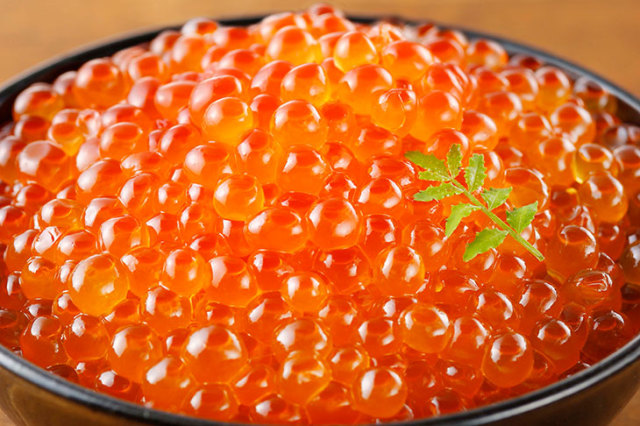
Ikura is one of the most famous fish eggs and you may have seen in Sushi. Gentle touch in the mouth and unique flavor attract many Japanese consumers. Mostly Ikura is pickled in soy sauce and perfectly match with any Japanese dish.
Kazunoko – egg of herring
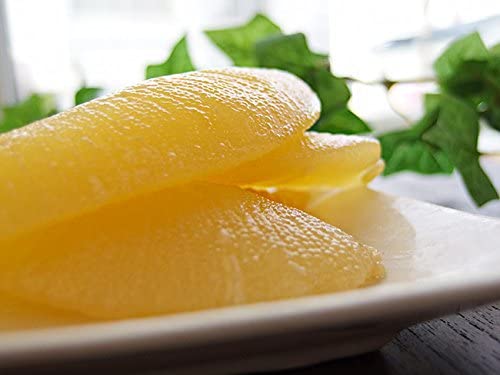
Kazunoko may not be the main ingredients of the dish due to its bitterness, but very familiar. In Japanese New year, people eat Kazunoko to make a wish of the prosperity of descendants as it looks like many small eggs gathered as one.
Tobiko – egg of flying fish
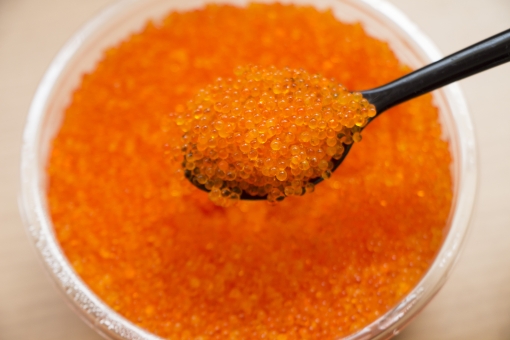
Tobiko is famous in oversea as well. You may have seen in California roles and acting great role in Sushi in foreign countries. It is mostly used for the decoration of the dish.
Roe expensive and rare
Sujiko – fish of egg of salmon
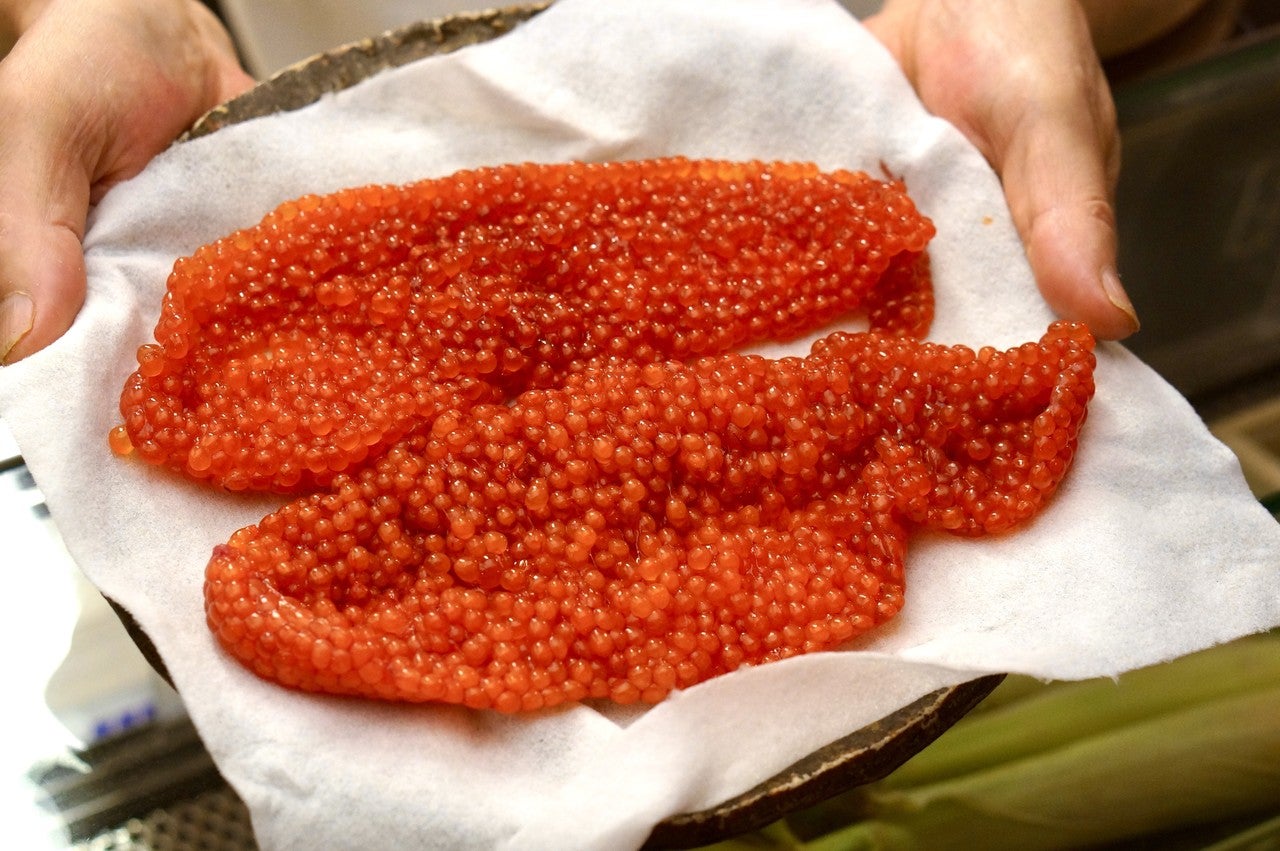
Sujiko is egg of salmon, which is same as Ikura. Please understand Sujiko as gathered Ikura. To clarify the difference, Ikura is pickled in soy sauce in separated eggs and Sujiko is pickled with entire ovary. Time and effort are required to produce Sujiko more than Ikura so it is expensive and used in the place like fine dining.
Karasumi – egg of striped mullet
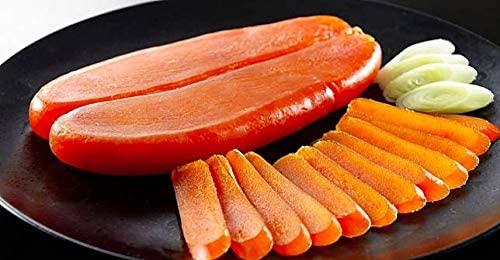
Karasumi is salted and fermented egg of mullet. It looks like Tarako, but totally different. Karasumi is considered as Japan 3 big delicacy. It is used in Japanese dish, but sometimes it is grated like cheese and added to Pasta dish.
Takomanma – egg of octopus
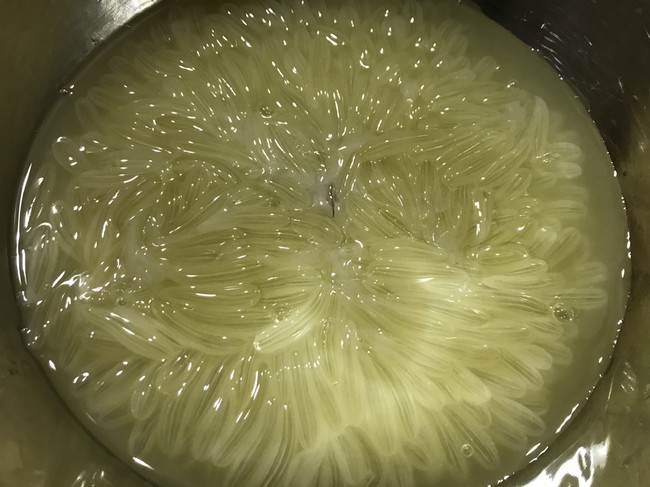
The last, Takomanma is very rare egg and it is from Octopus. As it is quite delicate and easy to go off, it is mostly enjoyed by fisherman.
Hope you learn!
See you in the nest article!


President & CEO, Kobayashi Junzo Shoten Co., Ltd.
Based in Osaka, I lead Kobayashi Junzo Shoten, a sake wholesaler founded in 1890. Through the cultural richness of Japanese sake, my mission is to connect people and bring smiles to dining tables around the world.
While technology continues to make the world feel smaller, the stories and traditions behind sake brewing can easily fade into the background. I see my role as a bridge—sharing the passion of brewers, opening doors for new audiences, and delivering sake in a way that feels more approachable and relatable.
I enjoy visiting sake breweries, learning about new rice varieties and brewing techniques, and spending time with toji (master brewers) and kurabito (brewery workers) to experience the spirit of sake-making firsthand. On this blog, I’ll share those encounters, my personal insights, and tips to help you enjoy sake even more.
Thank you for reading, and I look forward to connecting with you.
Latest Articles

One stop Quotation Inquiry System
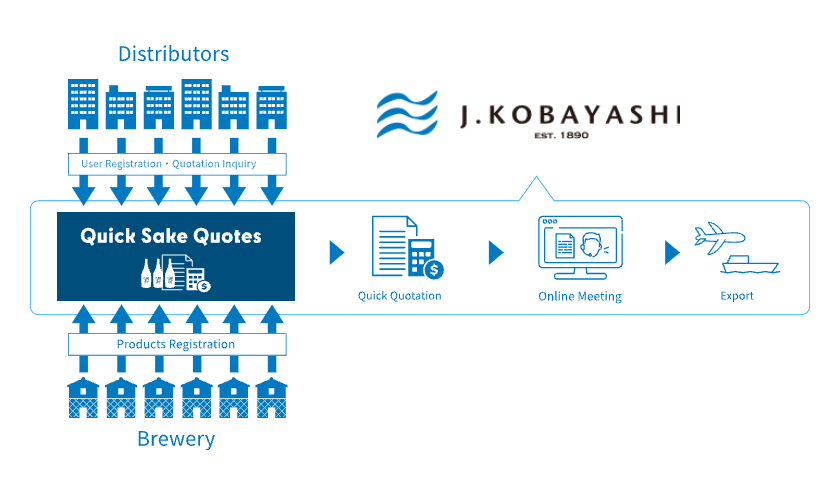
Quick SAKE Quote (QSQ) is a quotation inquiry system where you can receive quotations instantly. In most cases, it takes time to get a quotation for importing Sake, especially when dealing with several breweries. If you finally get an answer after a week or so, the response may be, “They already have a partner in your country,” and you have wasted your valuable time. Let's start your Sake import business efficiently with QSQ!
Read About QSQ
Contact Us
Quick SAKE Quote(QSQ hereafter) is a quotation inquiry system you can receive Quotation instantly.
Join our mailing list
Quick SAKE Quote(QSQ hereafter) is a quotation inquiry system you can receive Quotation instantly.
we will share content that:
Clear and explain the point without too much words.Contains at least one figure or clear example.Make you learn something new, or at least to remind you of it.