


SAKE blog


Published: 2020.10.21
Last modified: 2026.10.13
Oshaku – Japanese communication culture when you drink Japanese Sake

Alcohol is not only a beverage. There are various history and culture behind the alcoholic beverages and even today’s world people respect the culture.
As you can guess, Japanese Sake also has a traditional culture and the culture is not only seen in the production, also when you drink Sake, especially Sake pouring system “Oshaku – お酌” is the one of the habit you will see when drinking Japanese Sake.
This time, ikki deliver information about Oshaku.
What is “OSHAKU”?
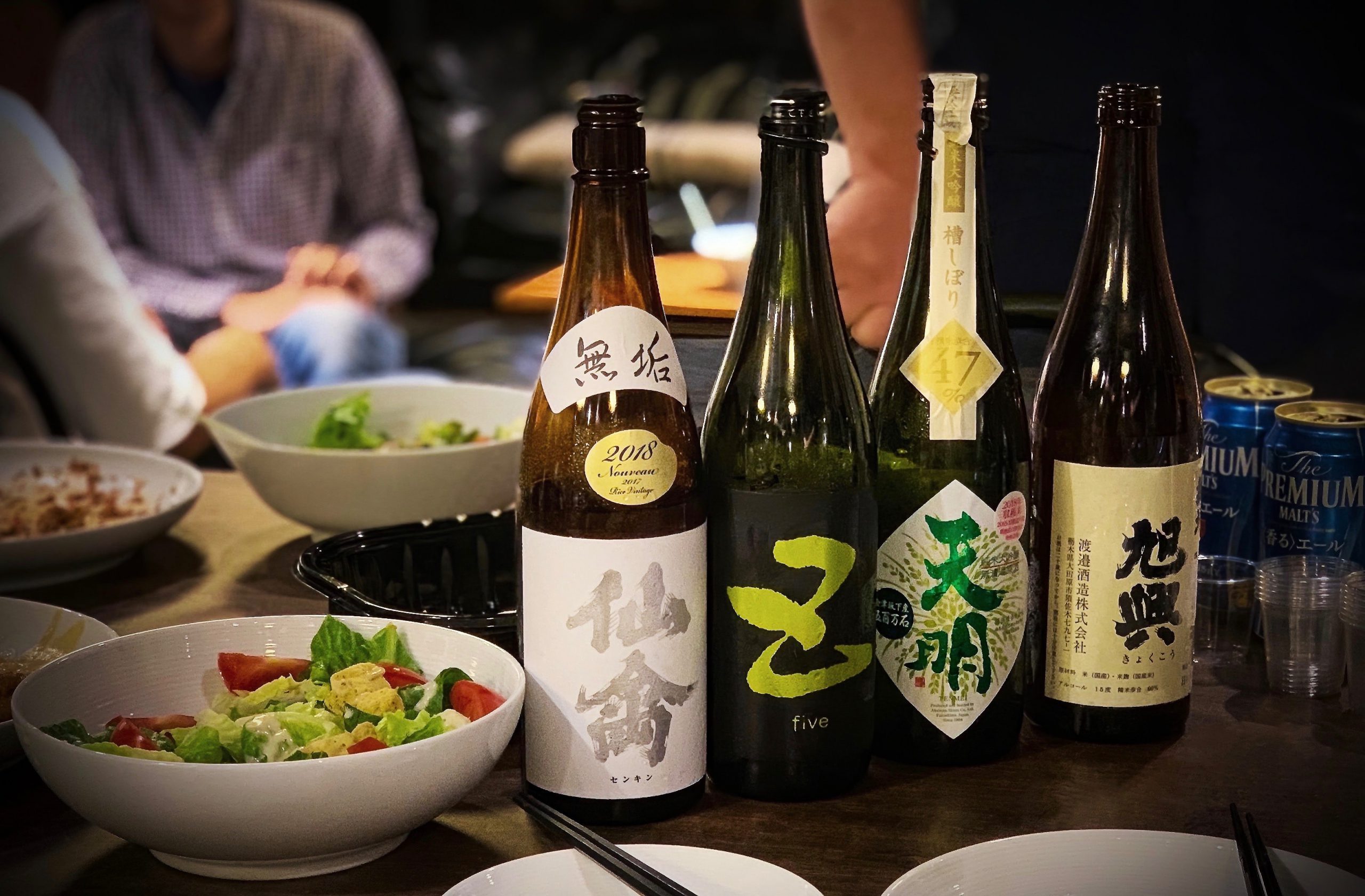
Oshaku generally means pour Sake to the people who is on the same table, and both parties do Oshaku each other. It is believed that Oshaku is one of the communication tool in Japan to show respects like a table manner.
The vessel Ochoko is very small comparing to decanters in wine, but according to one theory the size of ochoko is designed to be ideal for Oshaku and encouraging communication, but…
Why Japanese people do Oshaku?
There are historical reason why Japanese people start Oshaku with Japanese Sake.
Oshaku is a part of Shinto culture
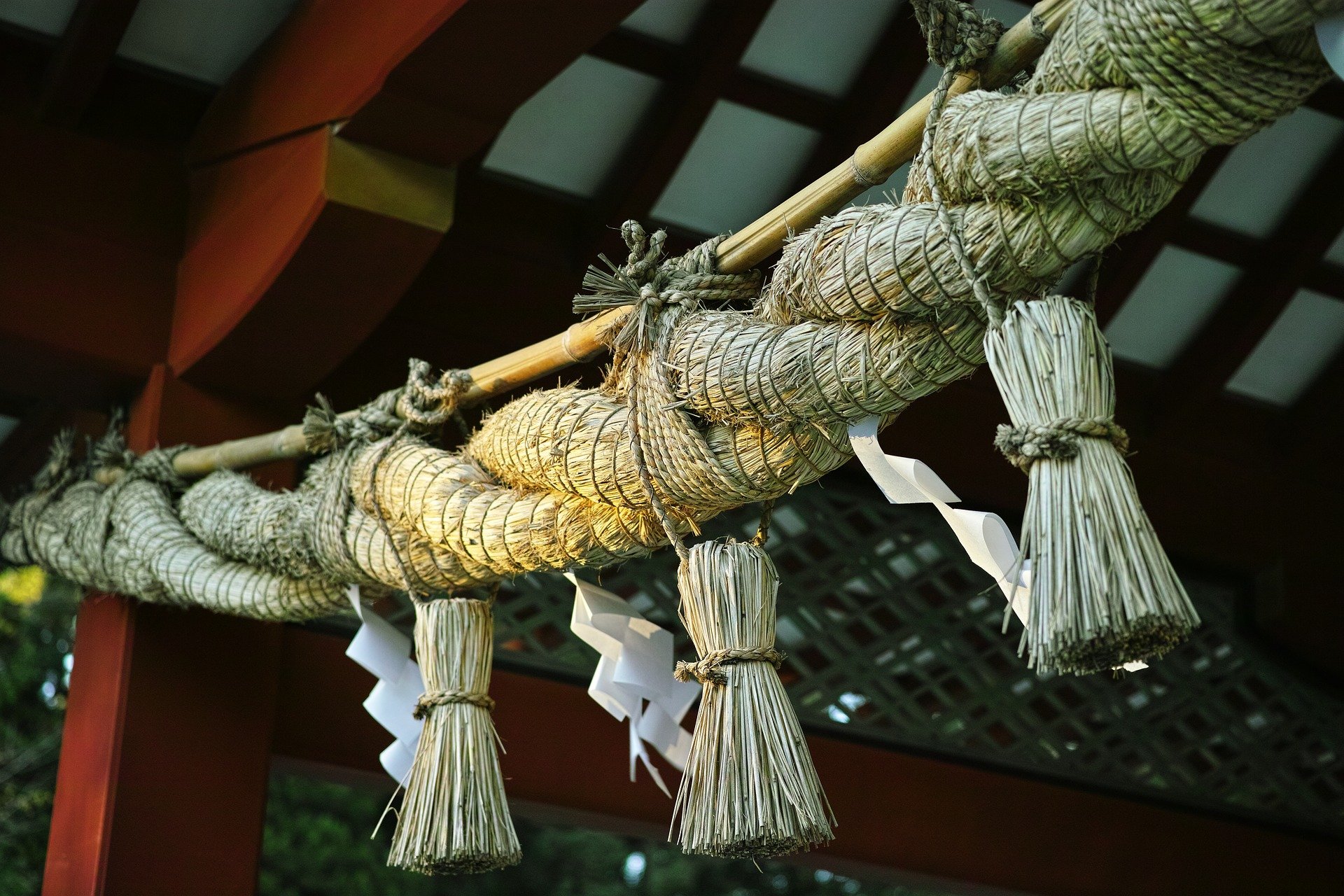
As you may be aware, Japanese people are not keen on religion thesedays, but most of Japanese people are believing in Shinto unconsciously and Shinto can been seen in the daily life of Japanese people.
For example, in the new year in January people visit shrines and at that time drink the kind of Sake Omiki served from shrine “Oshaku”. It is to receive the power of god by drinking the Sake from God.
The other example is the culture in Japanese wedding ceremony called “339do”. Basically, 339do is to share and pour “Oshaku” Sake each other between new bride and bloom with same vessel. It is to promise having a and time together from now on.
Those culture used to be seen in religious event or Samurai event back in the days, but today it is for the public.
Is Oshaku outdated culture?

Today, young generations in Japan is hesitating Oshaku in the drinking scene. They feel they are forced to do Oshaku and forced to respect elders. Nevertheless, they do not recognise that Oshaku has a history and meaning behind.
ikki is wishing that Oshaku culture remains with Japanese Sake and it spread to the world for the happiness.
Hope you learn!
See you in the next article!


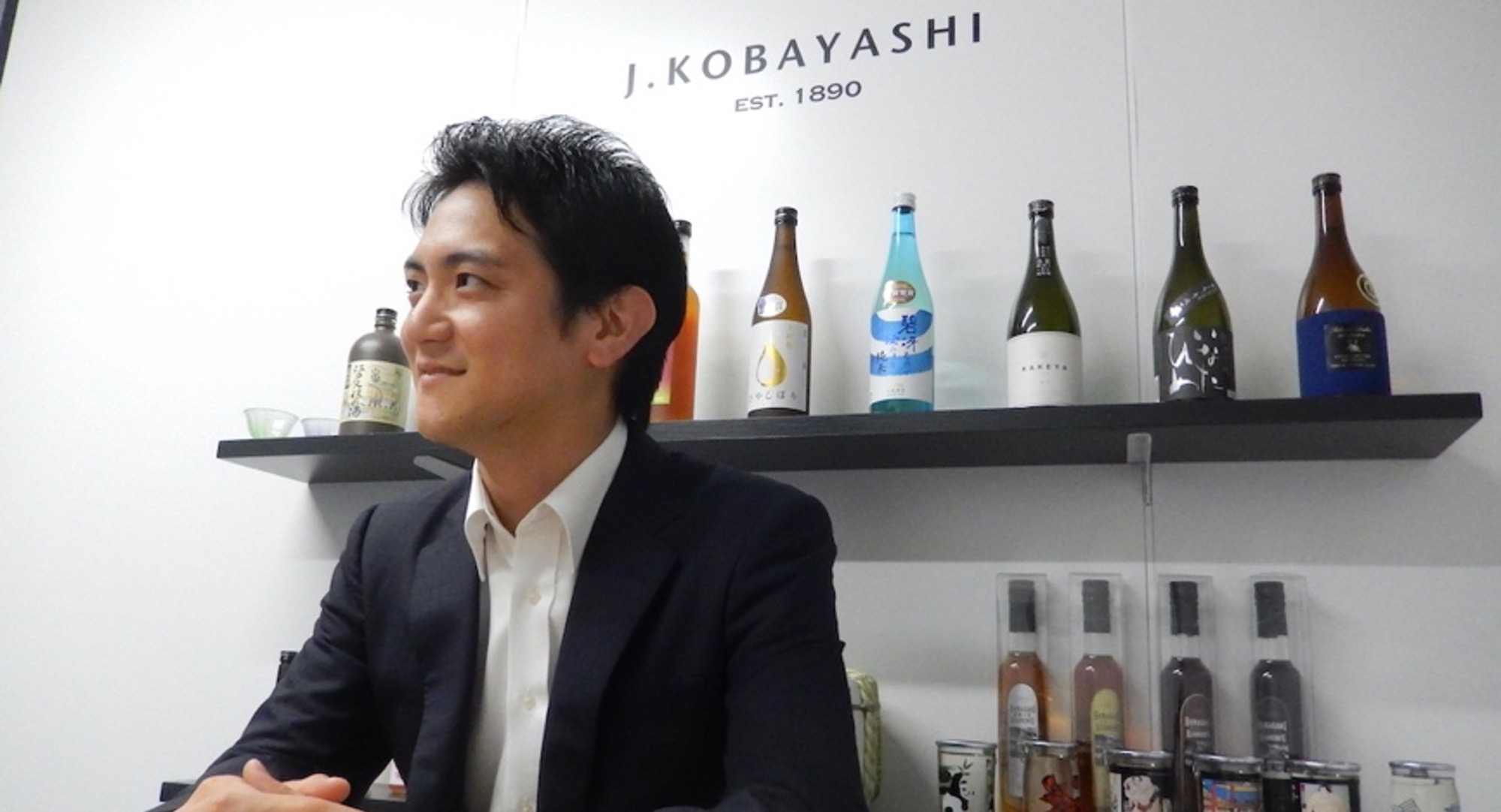
President & CEO, Kobayashi Junzo Shoten Co., Ltd.
Based in Osaka, I lead Kobayashi Junzo Shoten, a sake wholesaler founded in 1890. Through the cultural richness of Japanese sake, my mission is to connect people and bring smiles to dining tables around the world.
While technology continues to make the world feel smaller, the stories and traditions behind sake brewing can easily fade into the background. I see my role as a bridge—sharing the passion of brewers, opening doors for new audiences, and delivering sake in a way that feels more approachable and relatable.
I enjoy visiting sake breweries, learning about new rice varieties and brewing techniques, and spending time with toji (master brewers) and kurabito (brewery workers) to experience the spirit of sake-making firsthand. On this blog, I’ll share those encounters, my personal insights, and tips to help you enjoy sake even more.
Thank you for reading, and I look forward to connecting with you.
Latest Articles

One stop Quotation Inquiry System
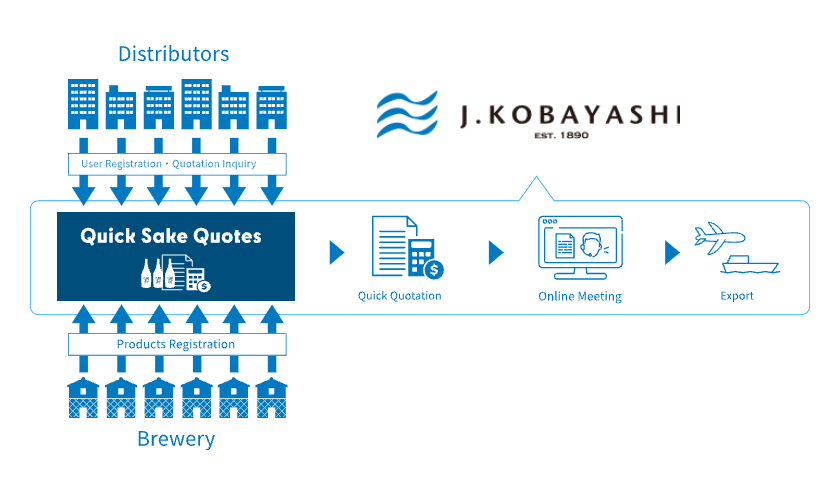
Quick SAKE Quote (QSQ) is a quotation inquiry system where you can receive quotations instantly. In most cases, it takes time to get a quotation for importing Sake, especially when dealing with several breweries. If you finally get an answer after a week or so, the response may be, “They already have a partner in your country,” and you have wasted your valuable time. Let's start your Sake import business efficiently with QSQ!
Read About QSQ
Contact Us
Quick SAKE Quote(QSQ hereafter) is a quotation inquiry system you can receive Quotation instantly.
Join our mailing list
Quick SAKE Quote(QSQ hereafter) is a quotation inquiry system you can receive Quotation instantly.
we will share content that:
Clear and explain the point without too much words.Contains at least one figure or clear example.Make you learn something new, or at least to remind you of it.