


SAKE blog


Published: 2020.05.15
Last modified: 2026.10.02
Local Cuisine -Kyoto- / What kind of dishes are eaten in Japan traditionally and locally / Japanese Sake
Warning: Undefined array key "file" in /home/jeticweb/j-kobayashi.com/public_html/wp-includes/media.php on line 1788
Regarding the local cuisine, we delivered information about Hyogo as our first article.
It is because, in the most case, even in Japan, Japanese Sake is paired with Japanese cuisine. In addition, as the locations of breweries spread all over Japan there are a variety of locality in food culture and Toji plan the taste of Sake based upon what they have traditionally eaten, or imagine their Sake time.
So, to understand the Sake and its locality, it is quite important to know the local dine in local Japan.
This time, ikki deliver information about Kyoto, where produce the second volume.
Local Cuisine in Kyoto
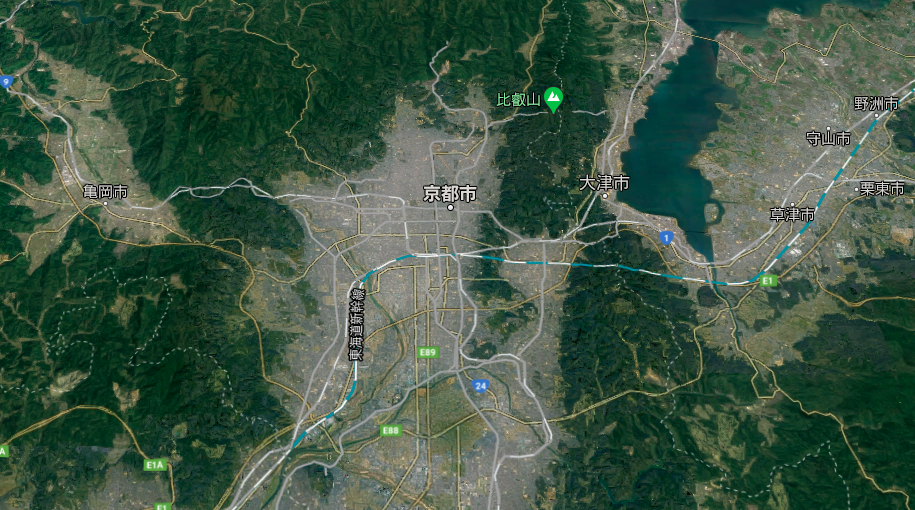
(ref: Google map)
If you look at the landscape of Kyoto, it is shaped a basin. As Kyoto city is located in the basin, it was difficult to get fresh fish, but the land was suitable to grow vegetables called “Kyo Yasai”. In addition, the mountains around brings clear and plenty of water, so the food process technique uses soybean developed. The major food items are as below;
Pickles 漬物
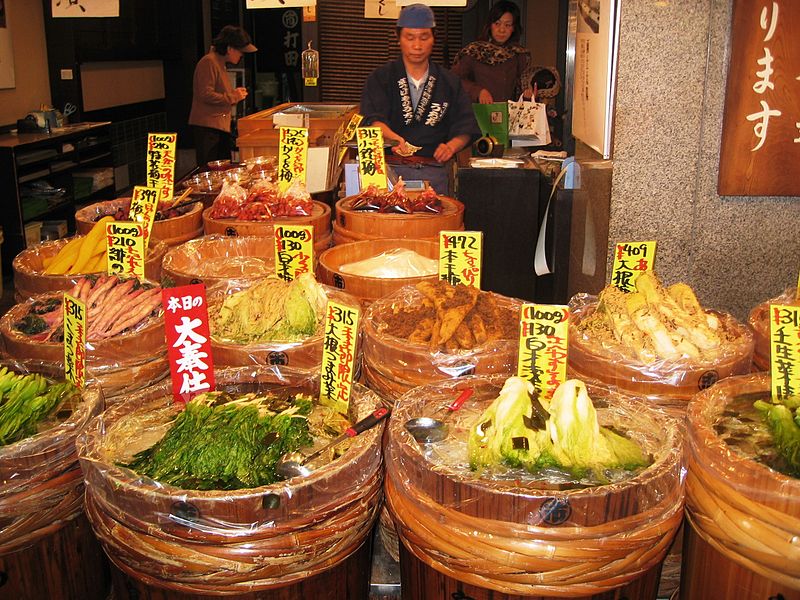
In Kyoto, there are variety of pickles called “Kyo Tsukemono”. There are 3 major types, which are Shiba Duke / Senmai Duke / Suguki. Shiba Duke is made of aubergine in the most case, and pickled with Shiso leaves(Japanese herb). Senmai Duke is made of turnip fermented with lactic acid. Suguki is made of vegetable also called Suguki, similar to turnip, and fermented with lactic acid.
Yuba 湯葉
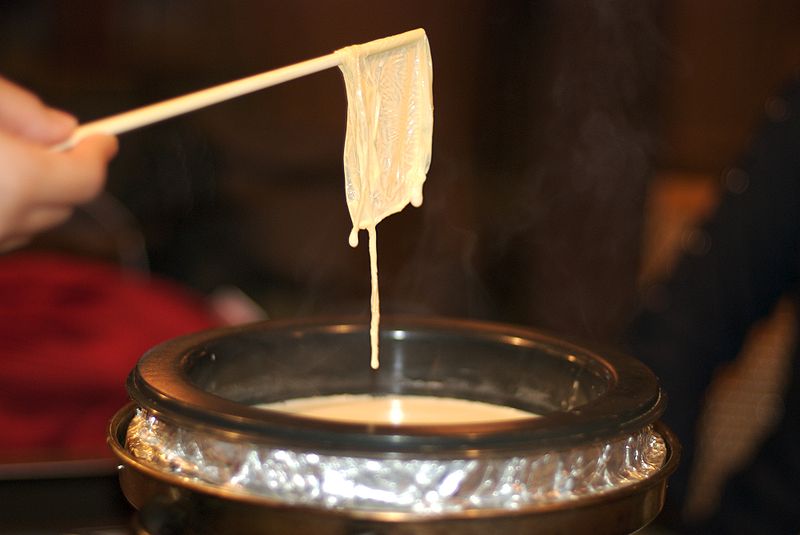
Yuba is a skin which you can extract from boiled soybean milk. The concept of eating Yuba is to take protein. The culinary called “Shojin Ryori” developed in Kyoto as there have been many shrines and temples, and Yuba was developed in this culinary.
Imobou 芋棒
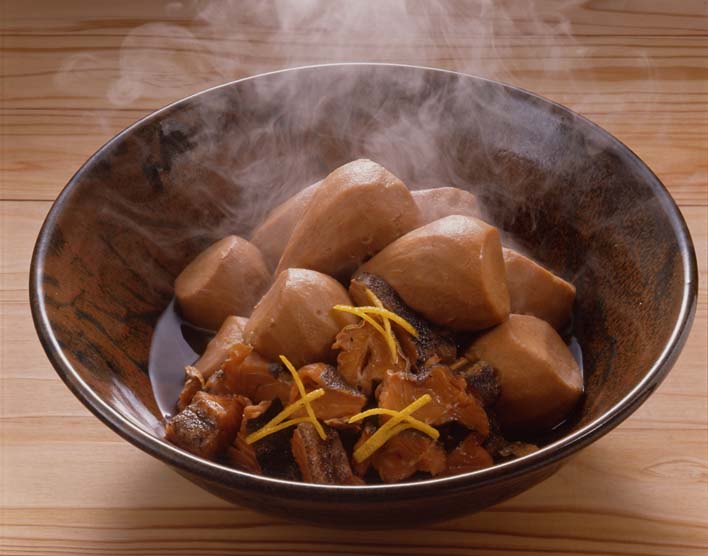
Imobou is a simmered Ebiimo, a type of potato, and dried cod fish, with a seasoning of soy sauce, sugar and Sake. Ebiimo was expensive in the past, so on the daily table a taro was used as an ingredient instead.
Nasu Dengaku 茄子田楽
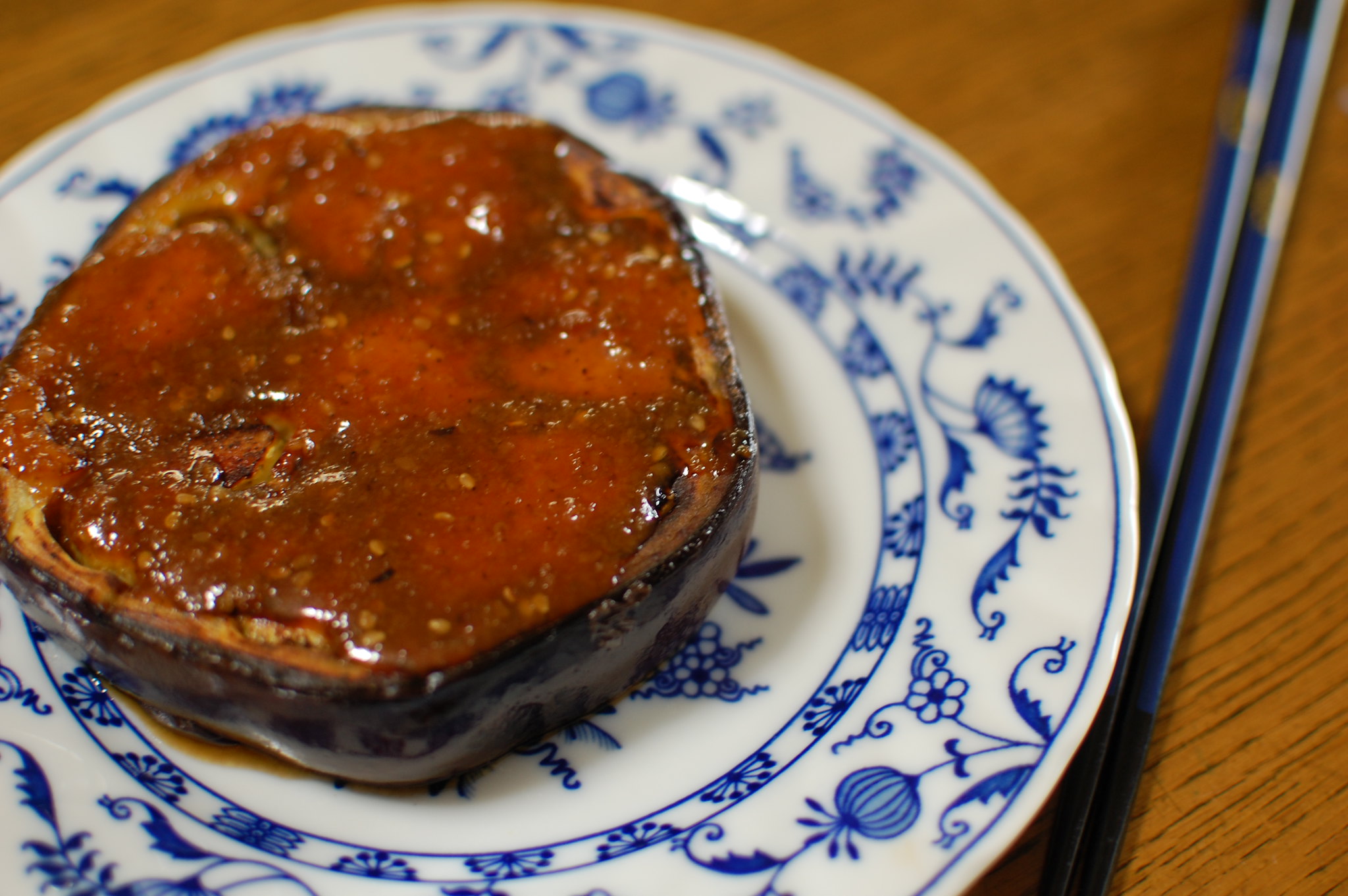
One of the famous Kyo Yasai is Kamo Nasu. Kamo Nasu is an aubergine grown in Kimigamo area in Kyoto. People in Kyoto have traditionally been enjoying Nasu with Miso put on the Kamo Nasu, socalled Dengaku.
Saba Sushi 鯖すし
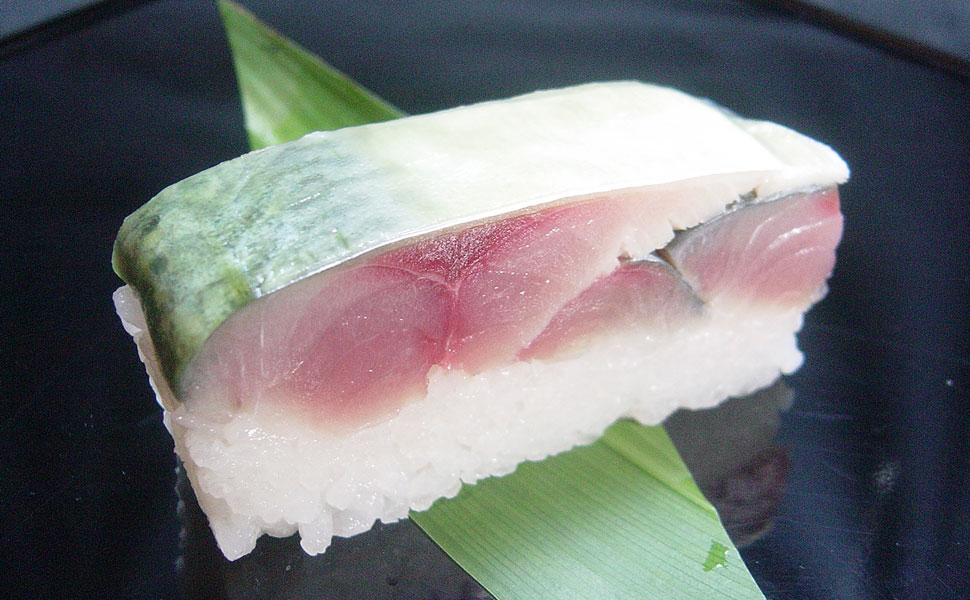
Same as Hyogo, along the sea coastal area of Sea of Japan, there is a culture of Saba Sushi. It was eaten in North area out of Kyoto basin, somewhere like Maiduru, Tango. It is a technique to preserve fish to bring to the city of Kyoto
Heshiko へしこ
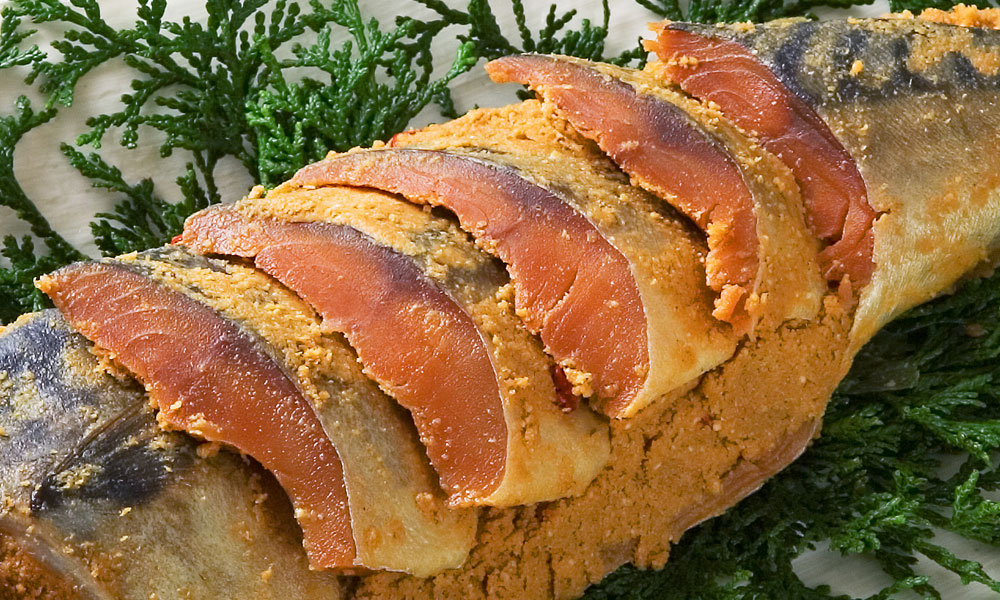
Heishiko is another technique to preserve fish. Salt the fish to ferment and pickle it with rice ban. It is also seen in Fukui area.
Hope you get the idea!
See you in the next article!

President & CEO, Kobayashi Junzo Shoten Co., Ltd.
Based in Osaka, I lead Kobayashi Junzo Shoten, a sake wholesaler founded in 1890. Through the cultural richness of Japanese sake, my mission is to connect people and bring smiles to dining tables around the world.
While technology continues to make the world feel smaller, the stories and traditions behind sake brewing can easily fade into the background. I see my role as a bridge—sharing the passion of brewers, opening doors for new audiences, and delivering sake in a way that feels more approachable and relatable.
I enjoy visiting sake breweries, learning about new rice varieties and brewing techniques, and spending time with toji (master brewers) and kurabito (brewery workers) to experience the spirit of sake-making firsthand. On this blog, I’ll share those encounters, my personal insights, and tips to help you enjoy sake even more.
Thank you for reading, and I look forward to connecting with you.
Latest Articles

One stop Quotation Inquiry System
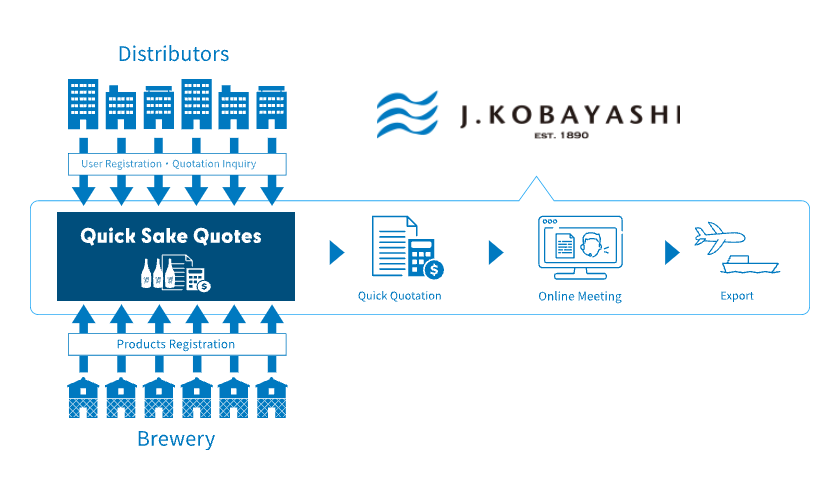
Quick SAKE Quote (QSQ) is a quotation inquiry system where you can receive quotations instantly. In most cases, it takes time to get a quotation for importing Sake, especially when dealing with several breweries. If you finally get an answer after a week or so, the response may be, “They already have a partner in your country,” and you have wasted your valuable time. Let's start your Sake import business efficiently with QSQ!
Read About QSQ
Contact Us
Quick SAKE Quote(QSQ hereafter) is a quotation inquiry system you can receive Quotation instantly.
Join our mailing list
Quick SAKE Quote(QSQ hereafter) is a quotation inquiry system you can receive Quotation instantly.
we will share content that:
Clear and explain the point without too much words.Contains at least one figure or clear example.Make you learn something new, or at least to remind you of it.