


SAKE blog


Published: 2023.03.17
Last modified: 2026.10.26
J.KOBAYASHI Episode 2: Stories of a Sake export trading company pioneering the European market

Hello! This is Yutaro Kobayashi of J. KOBAYASHI Co., Ltd..
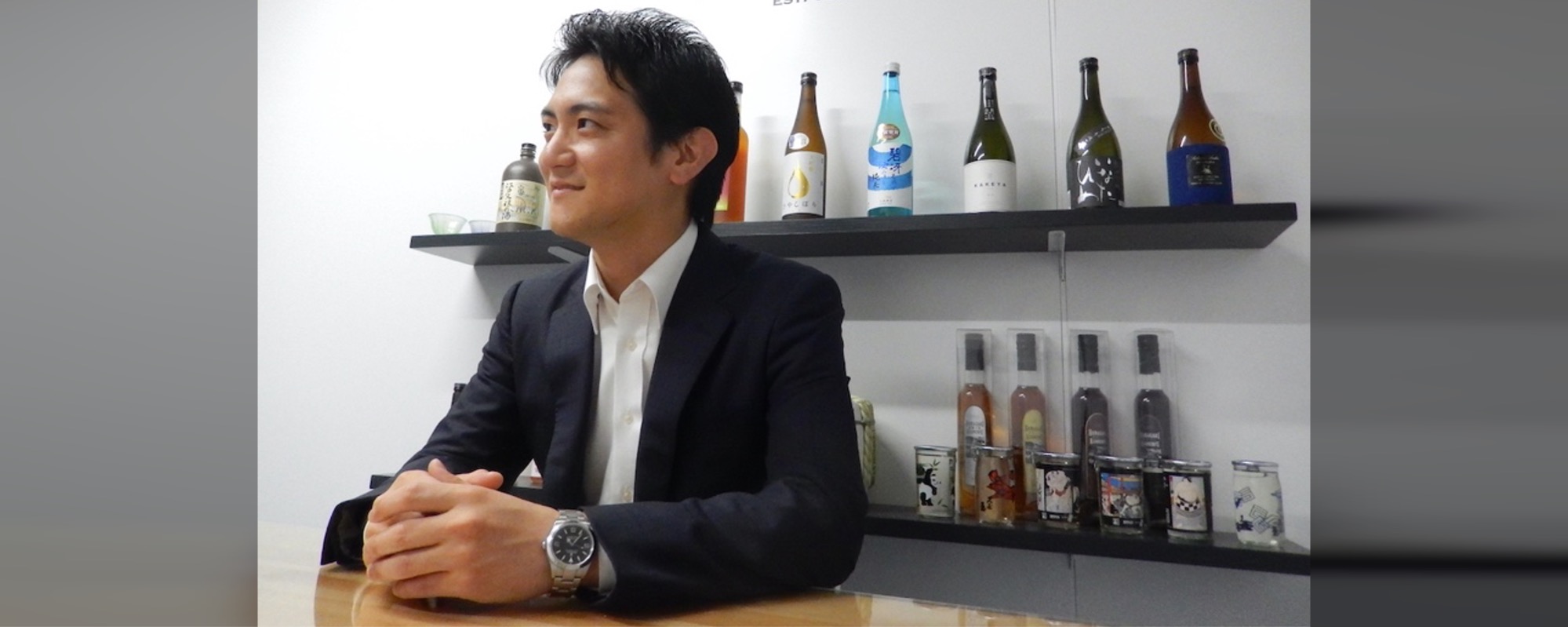
The last episode touched on myself and the stories behind the start of the Sake export business. The second episode will explain our company’s business history prior to the Sake export.
Origin of J. KOBAYASHI
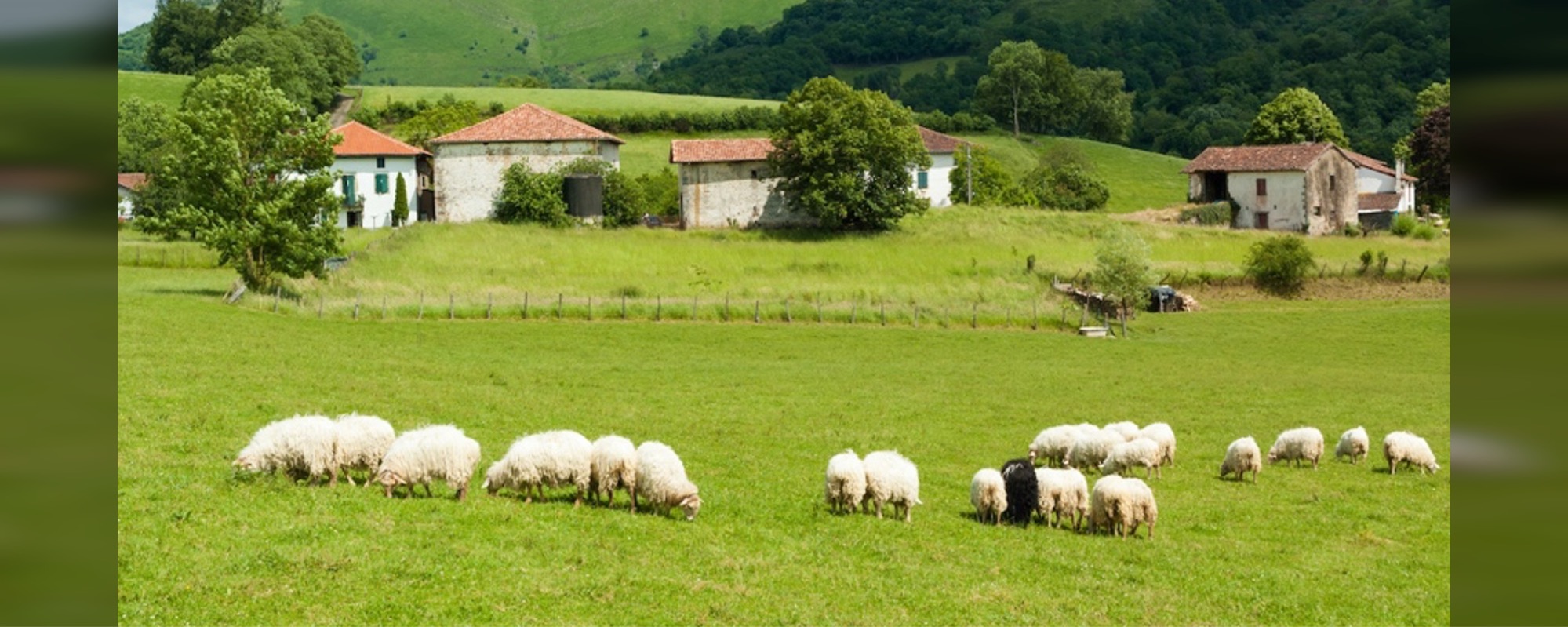
To start with, J.KOBAYASHI is a family trading company founded in 1890. Our grandfather started a textile business by purchasing raw wool, wool shared from sheep, in such countries as Australia, New Zealand and France to sell to the spinning mills in Japan. Airplane was not the common transportation method in that age, so my grandfather travelled by ship and night trains etc. to make a purchase, spending tremendous amount of time and effort we cannot imagine in our life now.
Japan was in shortage of goods with its economy developing at a rapid pace after the Second World War, consequently it led to the emergence of large-scale spinning mills in cities like Osaka and Nagoya. Along with the expansion of spinning mills, demands for wool was increasing largely, which grew the wool import and wholesale business of J.KOBAYASHI.
In the late 20th century, however, rise in labor expenses and water pollution derived from the factories came to light. Domestic factories which used to produce wool started to move their production sites to China and South East Asia, so the wool trading business was shrinking in size. My father inherited grandfather by then. He was flying here and there across the world to look for new ideas for the core business to replace the wool trading.
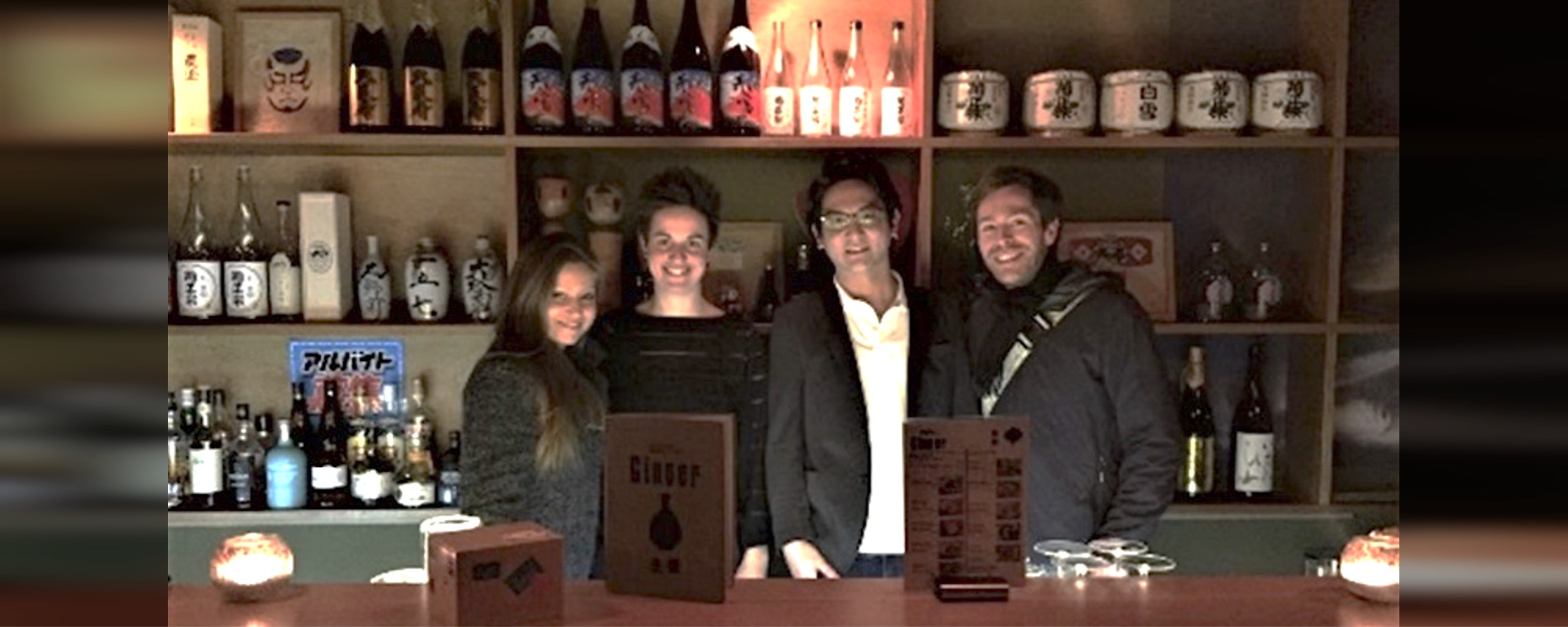
A fateful encounter with a boy was a turning point and this was when the company became awaken by Sake. Since this encounter, the company has shifted its focus to the Sake business, feeling committed to deliver Sake to the whole world.
The boy lived in Zurich, Switzerland. Back in those days, it was possible to find Sake exported to Europe, however, Switzerland was a little exception for some reasons. Despite the fact that Switzerland is located in the center of Europe, it is not a member of the European Union. Therefore importing Sake from neighbouring countries like Germany, Holland and other EU countries to Switzerland required customs process and complex administrative work. Due to these administrative complexities, a small populated country like Switzerland had little Sake inflow back in that time.
Attempting to solve this issue, the boy got an idea of importing Sake directly from Japan and introducing it to the Swiss market by himself. Our company decided to become a partner on the Japanese side. As a trading company, the company was able to contact the producers, arrange the trading procedures and safely export the products. While handling his orders, we came to have more opportunities to talk with brewers and our interest grew even more. Thorough research of Sake taught us that the domestic consumption was declining every year, decreasing production was bringing the breweries out of business, and there was an industrial initiative to encourage export to expand its overall market.
Sake export back then accounted for only a few per cents of the whole production and its exported destinations were rather limited to the US and overseas Chinese markets. (Export has grown since then, but the exported amount does not reach 10% of the entire production yet.) More precisely speaking, the majority of Sake exported overseas have been consumed by Japanese residents and expats at the destination country at Japanese restaurants or Asian grocery stores. In brief, the exported Sake was not at hand of local people in those destination countries, but purchased by Japanese inhabiting there.
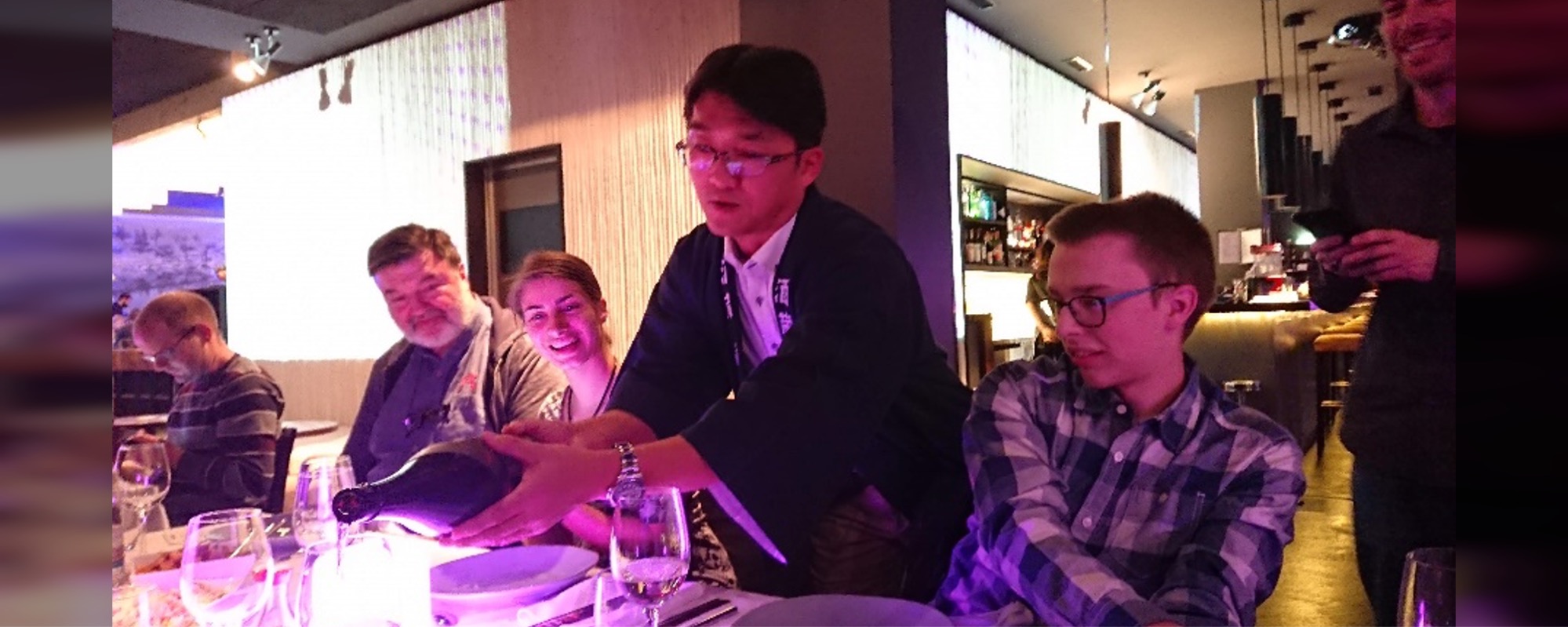
Being aware of these situations, I came to think our company could probably be engaged in the export process to help the expansion of Sake market.
While discussing with brewers, it became clear to me that Sake had a long-lasting history and it was a core part of Japanese traditional culture. I found it worthy and meaningful to discover new markets and make fans there, otherwise, there was a chance that we could not preserve and pass the culture to the next generations. The domestic market was shrinking, so it was not ideal to compete there for a bigger share. Thus the company focus has always on the export. We think that it is more adventurous and fun to think about expansions to the completely new destinations, and expand the overall market size.
Overseas market of Sake seems in the middle of development, and I believe that creating new players in the new areas will work positively to the industry. In my thought, Sake should be available and visible at the restaurants where local residents dine. If Sake is delivered to the destination country, but consumed by local Japanese and not reach the restaurants where locals go, local people remain deprived of the opportunities to taste them. Therefore, it was important for us to build partnership with local importers who have tight connections with these restaurants and retail stores.
Our company succeeded in building connection with local buyers to expand Sake market in Europe, and lately our company exports to 15 countries focusing on Europe, through the partnership with local buyers. Most of them concentrate on the sales activities to the local consumers, not the sales channels for Japanese. This approach started to make fruit and Sake market in those countries is visibly growing. I imagine that it is not in the far future that we see people from a country where Sake is not well known smiling and talking over Sake. We keep up with the hard work to make this mission come true very soon.
To be continued


President & CEO, Kobayashi Junzo Shoten Co., Ltd.
Based in Osaka, I lead Kobayashi Junzo Shoten, a sake wholesaler founded in 1890. Through the cultural richness of Japanese sake, my mission is to connect people and bring smiles to dining tables around the world.
While technology continues to make the world feel smaller, the stories and traditions behind sake brewing can easily fade into the background. I see my role as a bridge—sharing the passion of brewers, opening doors for new audiences, and delivering sake in a way that feels more approachable and relatable.
I enjoy visiting sake breweries, learning about new rice varieties and brewing techniques, and spending time with toji (master brewers) and kurabito (brewery workers) to experience the spirit of sake-making firsthand. On this blog, I’ll share those encounters, my personal insights, and tips to help you enjoy sake even more.
Thank you for reading, and I look forward to connecting with you.
Latest Articles
One stop Quotation Inquiry System
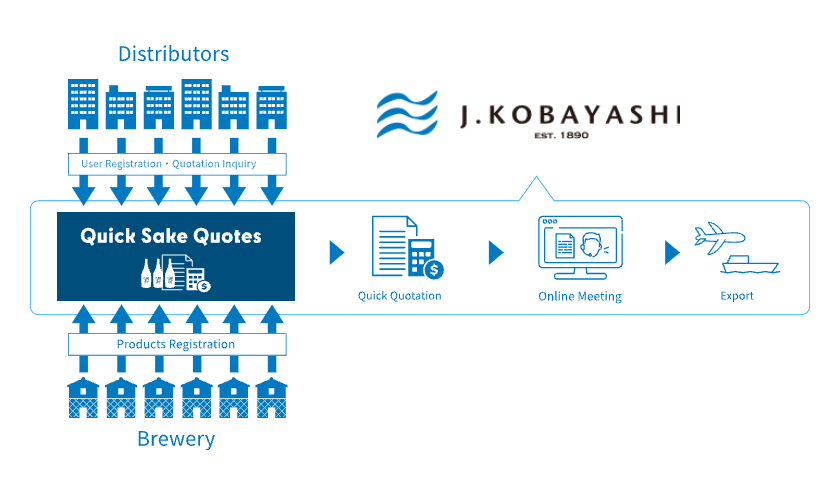
Quick SAKE Quote (QSQ) is a quotation inquiry system where you can receive quotations instantly. In most cases, it takes time to get a quotation for importing Sake, especially when dealing with several breweries. If you finally get an answer after a week or so, the response may be, “They already have a partner in your country,” and you have wasted your valuable time. Let's start your Sake import business efficiently with QSQ!
Read About QSQ
Contact Us
Quick SAKE Quote(QSQ hereafter) is a quotation inquiry system you can receive Quotation instantly.
Join our mailing list
Quick SAKE Quote(QSQ hereafter) is a quotation inquiry system you can receive Quotation instantly.
we will share content that:
Clear and explain the point without too much words.Contains at least one figure or clear example.Make you learn something new, or at least to remind you of it.