


SAKE blog


How can we preserve Sake maintaining its original characters?
The storage period can be prolonged without a deterioration in its quality only with some tips. Let us review the characteristics of Sake to systematically reduce deteriorating factors.
How long does the original taste of Sake last?
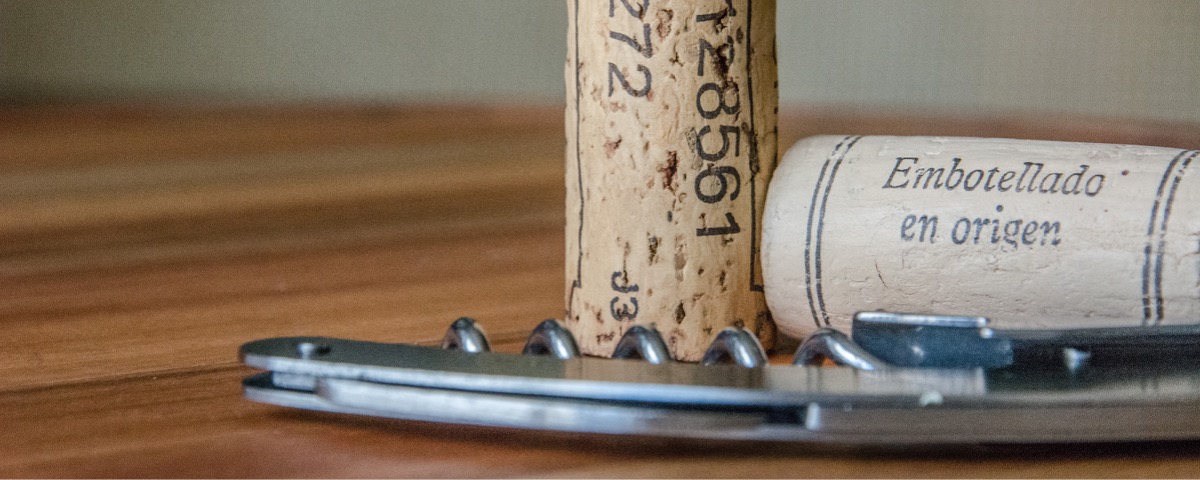
Unlike wine, Sake does not contain preservatives to stop oxidation. Sake is delicate and susceptible to the change in temperature, lights (with ultra-violet lights), and vibration, so it should be carefully kept away from them.
Sake bottles rarely carries Best-before date. It is required to stamp best before date for food products by the Japanese Food Sanitation Act, however Sake can be exempted from this obligation. The date indication on Sake bottles is therefore not best before date, but the production year and month.
Then how long does the taste of Sake last?
It is recommended Sake be consumed within 1 year after its production date even when it is pasteurized. For Ginjo-shu (吟醸酒) and Daiginjo-shu (大吟醸酒), earlier consumption is highly recommended.
For Sake without pasteurization, “Nama-zake” (生酒), it is recommended to consume it at an earliest point. Sake without a pasteurization process contains live Kobo, therefore the quality is easily affected by outside factors such as temperature and humidity. They are designed to be consumed promptly to enjoy its optimized quality.
Regardless of the types, Sake should be consumed as promptly as possible. of Sake, once the bottle is open.
Factors to deteriorate the quality of Sake
Deteriorating factors in the quality of Sake are temperature, oxidation, and ultra-violet rays.
- Temperature
If we store Sake in a room temperature or above, it is likely that Sake emits unpleasant smell called Hineka (老香) due to the chemical reactions inside the liquid.
- Oxidation
Once the bottle is open, Sake is exposed to oxygen in the air. Oxygen causes various reactions within the liquid, which results in the deterioration of the taste. As oxidation continues, Sake turns brownish yellow in color and sour in taste.
- Ultraviolet rays
Sake is fragile against ultraviolet rays. Continual exposure to ultraviolet ray deteriorates the Sake and cause Nikko-shu(日光臭) associated with the smell of leeks.
Attention for storage of Sake
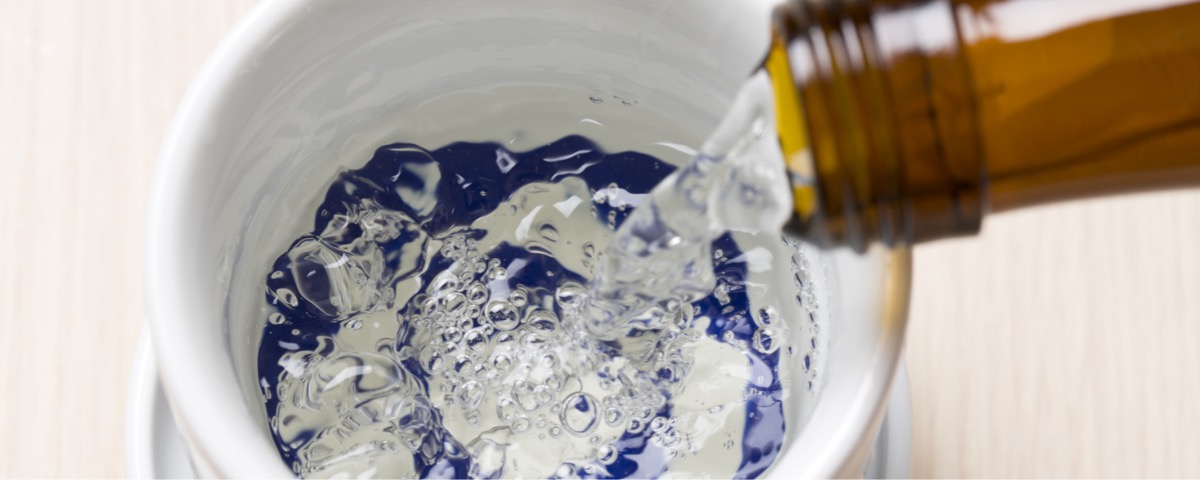
Every Sake needs to be refrigerated.(if not, it needs to be keep at least lower than 10 degrees Celcius). Storage with refrigerating function is an ideal space.
Even in a region with cool climate, the difference in temperature between the day and the night will negatively effect on the quality of Sake.
Once exposed to oxygen in the air by opening the bottle, the Sake starts to change its characters. Therefore, it is highly recommended that the bottle is finished as promptly as possible. If you wish to keep the Sake for a little longer, you could try using items to vacuum air as used for wine. Despite these efforts, oxidation cannot be completely prevented, so I advise you to consume it as quickly as possible, preferably within 2 weeks.
Lastly, a dark storage space is ideal for Sake to be away from ultraviolet rays.
Quiz True or False?
- Sake does not have a Best-Before Date, so it keeps the same characters almost permanently.
- The deteriorating factors of Sake are : temperature, humidity and ultra-violet rays
ikki is looking for a partner who can post your knowledge or activity on our media. If you are interested please contact us through CONTACT page.

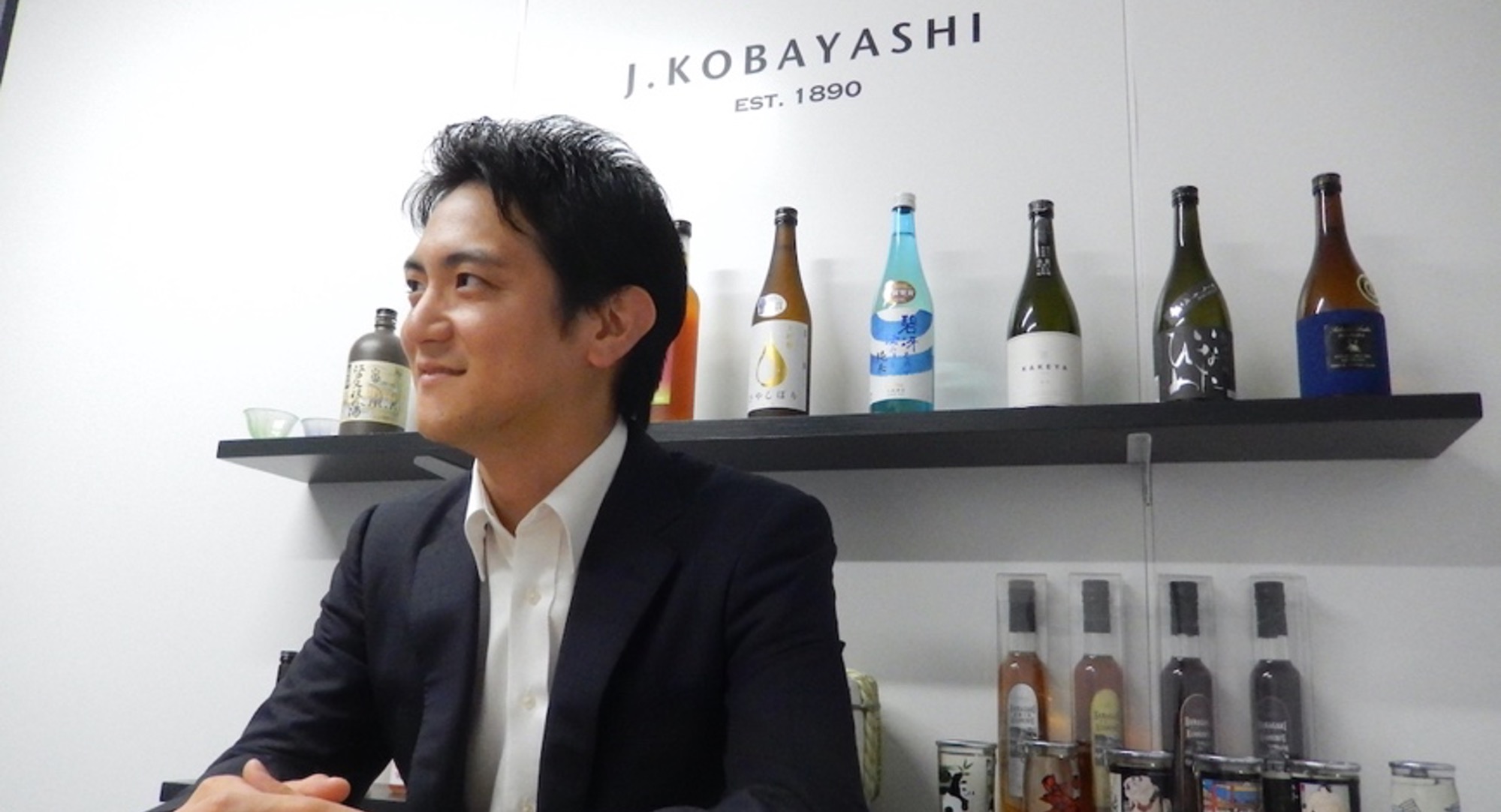
President & CEO, Kobayashi Junzo Shoten Co., Ltd.
Based in Osaka, I lead Kobayashi Junzo Shoten, a sake wholesaler founded in 1890. Through the cultural richness of Japanese sake, my mission is to connect people and bring smiles to dining tables around the world.
While technology continues to make the world feel smaller, the stories and traditions behind sake brewing can easily fade into the background. I see my role as a bridge—sharing the passion of brewers, opening doors for new audiences, and delivering sake in a way that feels more approachable and relatable.
I enjoy visiting sake breweries, learning about new rice varieties and brewing techniques, and spending time with toji (master brewers) and kurabito (brewery workers) to experience the spirit of sake-making firsthand. On this blog, I’ll share those encounters, my personal insights, and tips to help you enjoy sake even more.
Thank you for reading, and I look forward to connecting with you.
Latest Articles
One stop Quotation Inquiry System
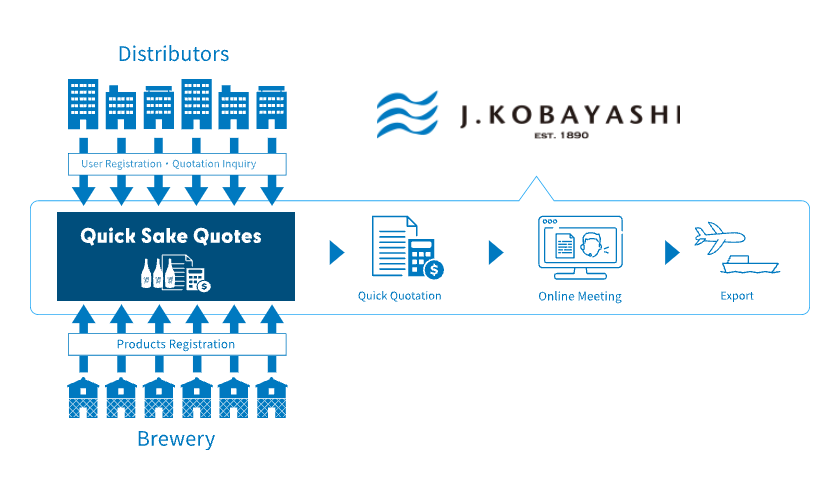
Quick SAKE Quote (QSQ) is a quotation inquiry system where you can receive quotations instantly. In most cases, it takes time to get a quotation for importing Sake, especially when dealing with several breweries. If you finally get an answer after a week or so, the response may be, “They already have a partner in your country,” and you have wasted your valuable time. Let's start your Sake import business efficiently with QSQ!
Read About QSQ
Contact Us
Quick SAKE Quote(QSQ hereafter) is a quotation inquiry system you can receive Quotation instantly.
Join our mailing list
Quick SAKE Quote(QSQ hereafter) is a quotation inquiry system you can receive Quotation instantly.
we will share content that:
Clear and explain the point without too much words.Contains at least one figure or clear example.Make you learn something new, or at least to remind you of it.