


SAKE blog


Published: 2022.10.07
Last modified: 2026.10.20
Hiroshima Sake – one of the 3 famous Sake place in Japan
Among a number of Sake production areas in Japan, there are three most important Sake production areas in Japan. The areas are called ‘Three largest production areas’ (Sandai Sakedokoro,三大酒処) with respect. Are you familiar with them yet?
They are Nada (灘) in Hyogo (兵庫), Fushimi (伏見) in Kyoto (京都), and Saijo (西条) in Hiroshima (広島). This article focuses on Saijo of Hiroshima. Let us check out the origin of Ginjo style Sake!
The environment of Saijo
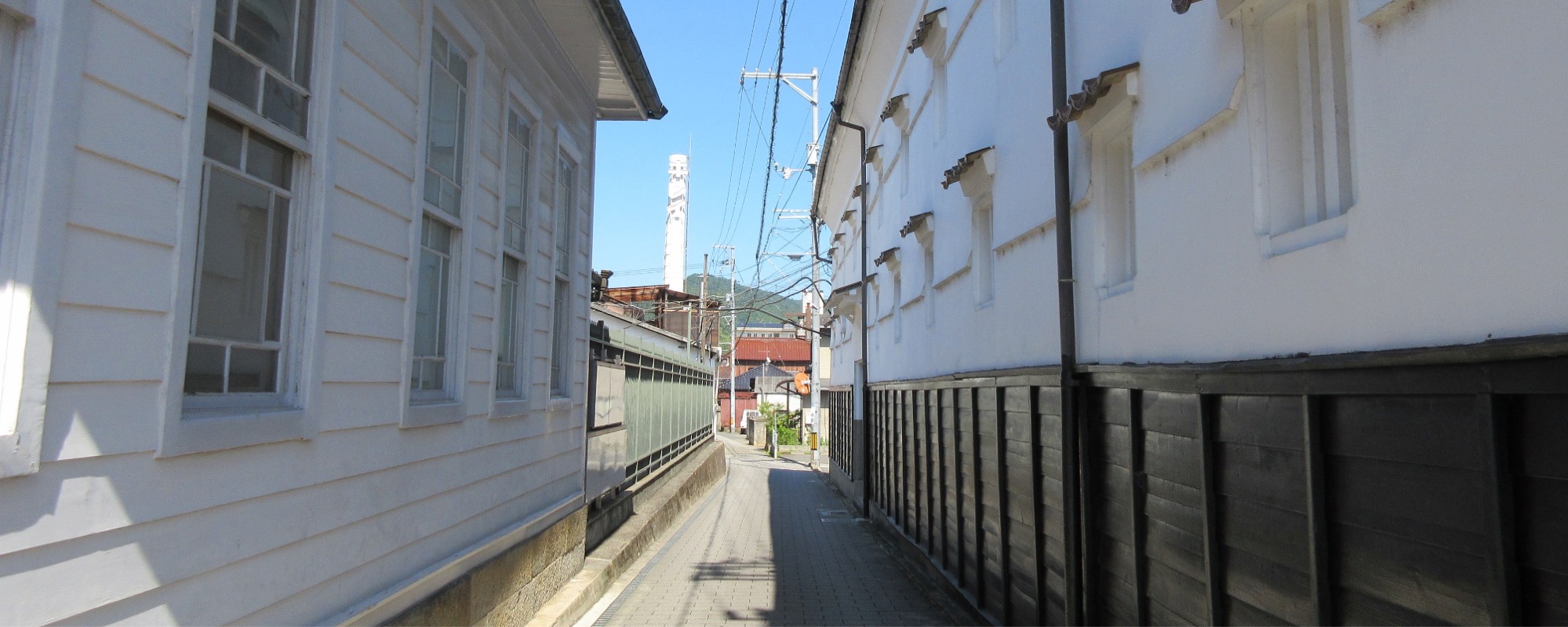
The production of Sake in Saijo became active in the end of Edo Period. Due to its rich soil and a wide variety of rice types, Hiroshima has embraced an ideal conditions for the Sake productions. Saijo not only holding these advantages, but it is also benefitted from the flat land scape of an altitude of 250 – 300 meters, as well as a mild climate. The temperature of Saijo is about 2 degrees lower than that of city centre, and it experiences frequent snow. These features have been considered particularly suitable for Sake production.
Privileged with these features, Saijo was not the best Sake production area from its start. Why? It is due to the mineral compositions of water there. Water in Saijo is low in minerals, while water rich in mineral is more suitable for Sake production. Minerals in water help the activities of fermentation by providing nutrition to Kobo. Fermentation was not ideally done with water in Saijo, as a result, the Sake produced in Saijo came up sweet and deteriorated quickly. Unfortunately, Sake of Saijo was not welcomed by the Sake connoisseurs.
These difficulties helped shift the Sake production of Saijo to a long-lasting fermentation with its water. The method is called Jozo-zukuri, and well applied across the world these days.
Characteristics of Sake from Hiroshima
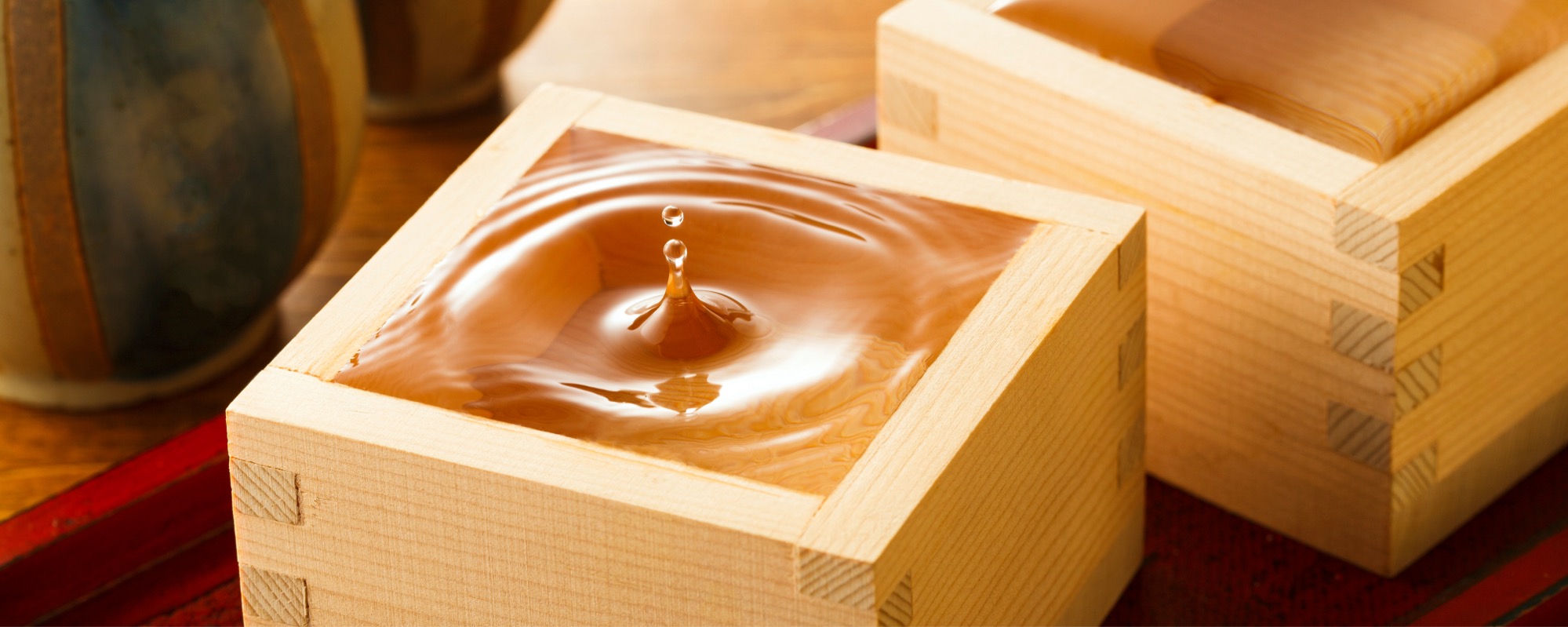
When water contains high volume of minerals, Kobo performs active even with young koji. On the other hand, when the water is low in minerals, koji needs to be raised for a longer period to reaches inside rice grains. Thus the saccharification is accelerated leading to a more active fermentation. When a large amount of minerals are present in water, the fermentation occurs automatically, while water does not contain a good amount of minerals, some extra preparations are required. This preparation step helps cultivate koji and turn its Sake rich in aroma and flavours.
Generally, Sake made from water with high minerals ends rich, dry, acidic and sharp. In contrast, Sake of Hiroshima is light, soft and delicate.
In short, minerality of water utilized leads to the different characters of Sake. The name of Otoko-zake (男酒), male Sake, is given to Sake from high-mineral water, like Sake from Nada (灘), and Onna-zake, female Sake, is given to Sake from low-mineral water like Sake from Fushimi(伏見) and Saijo (西条).
Saijo, the birthplace of Ginjo style Sake
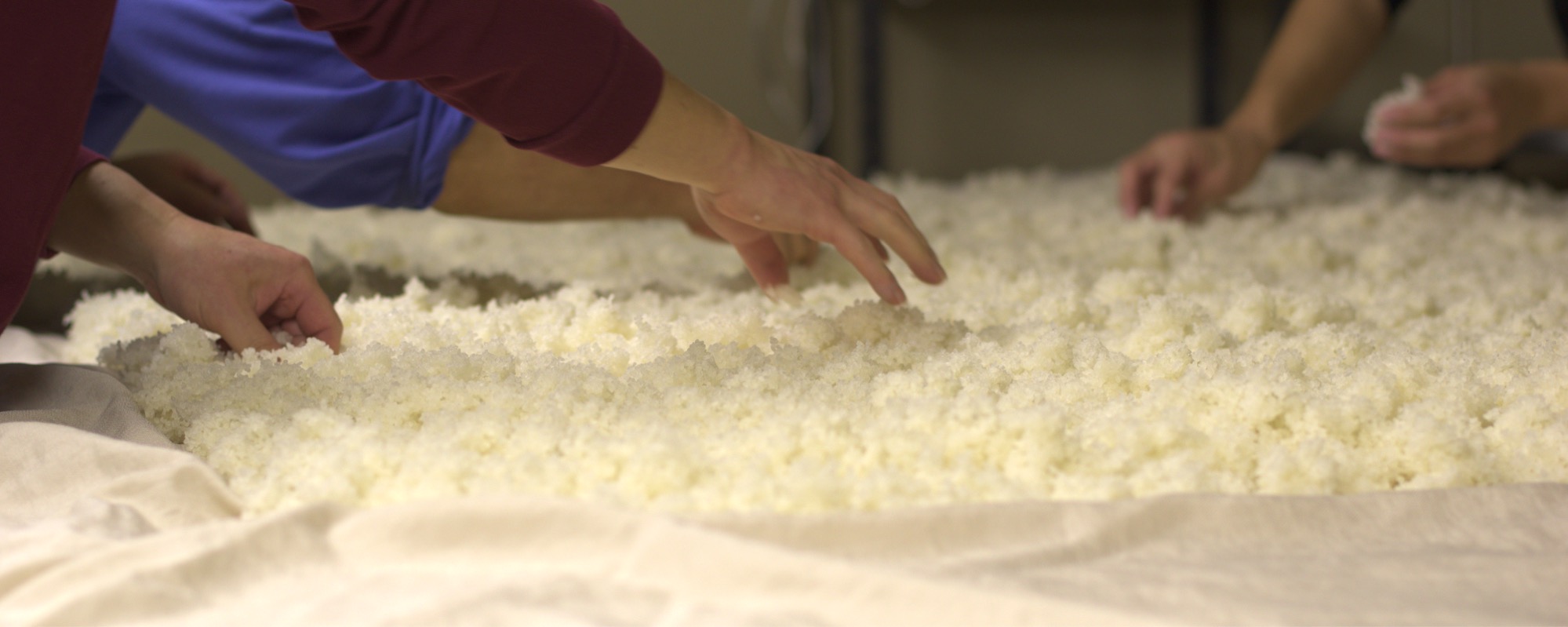
Ginjo style Sake is one of the specially designated Sake categories. It has fresh, light and soft characters. As mentioned earlier, due to its water conditions, low-temperature slow fermentation method, Nansui Jozo method (軟水醸造法) was invented in Saijo. The method spread to the entire Japan and founded its base. Now it is one of the most recognized methods of Sake production.
There is a street called Saijo Sakagura Dori, meaning Saijo Sake Brewery Street in front of the station of Saijo City Hiroshima. 7 breweries continue the production close to the station, and it attracts Sake lovers for brewery visits, tastings and purchasing of rare Sake.
Ginjo style Sake is now widely available across Japan. However, there were a lot of efforts not mentioning trials and errors by producers in Hiroshima until the production method was successfully formed. I believe this knowledge could give you a different experience when tasting Ginjo style Sake. If you have choices and cannot decide what to try, why don’t you try the one from Hiroshima, the birthplace of Ginjo?
ikki is looking for a partner who can post your knowledge or activity on our media. If you are interested please contact us through CONTACT page.

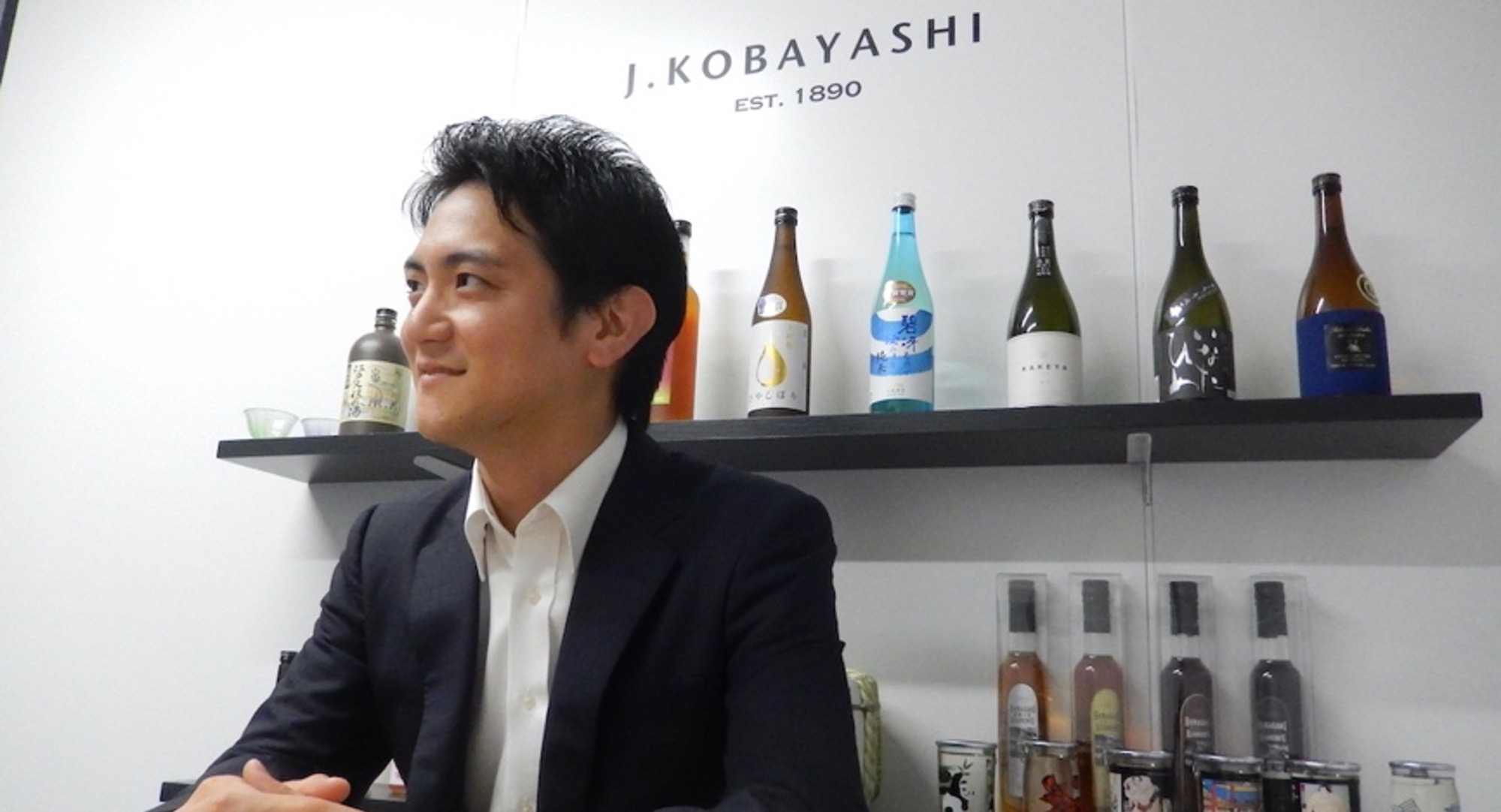
President & CEO, Kobayashi Junzo Shoten Co., Ltd.
Based in Osaka, I lead Kobayashi Junzo Shoten, a sake wholesaler founded in 1890. Through the cultural richness of Japanese sake, my mission is to connect people and bring smiles to dining tables around the world.
While technology continues to make the world feel smaller, the stories and traditions behind sake brewing can easily fade into the background. I see my role as a bridge—sharing the passion of brewers, opening doors for new audiences, and delivering sake in a way that feels more approachable and relatable.
I enjoy visiting sake breweries, learning about new rice varieties and brewing techniques, and spending time with toji (master brewers) and kurabito (brewery workers) to experience the spirit of sake-making firsthand. On this blog, I’ll share those encounters, my personal insights, and tips to help you enjoy sake even more.
Thank you for reading, and I look forward to connecting with you.
Latest Articles
One stop Quotation Inquiry System
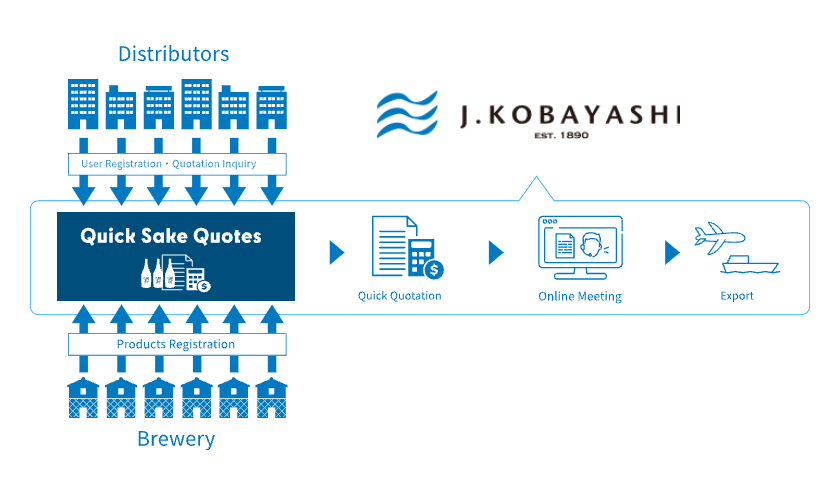
Quick SAKE Quote (QSQ) is a quotation inquiry system where you can receive quotations instantly. In most cases, it takes time to get a quotation for importing Sake, especially when dealing with several breweries. If you finally get an answer after a week or so, the response may be, “They already have a partner in your country,” and you have wasted your valuable time. Let's start your Sake import business efficiently with QSQ!
Read About QSQ
Contact Us
Quick SAKE Quote(QSQ hereafter) is a quotation inquiry system you can receive Quotation instantly.
Join our mailing list
Quick SAKE Quote(QSQ hereafter) is a quotation inquiry system you can receive Quotation instantly.
we will share content that:
Clear and explain the point without too much words.Contains at least one figure or clear example.Make you learn something new, or at least to remind you of it.