


SAKE blog


Published: 2026.01.19
Last modified: 2026.01.19
“Table Sake” – Sake suitable for casual drinking
Sake is rich in variety. There is therefore a wide range of prices for Sake. Depending on occasions, you could select from reasonable bottles to premium bottles. This article is to familiarize you with casual Sake to be enjoyed on non-special occasions. For a simplification, we could call it Table Sake, just like table wine.
Definition of Table Sake?
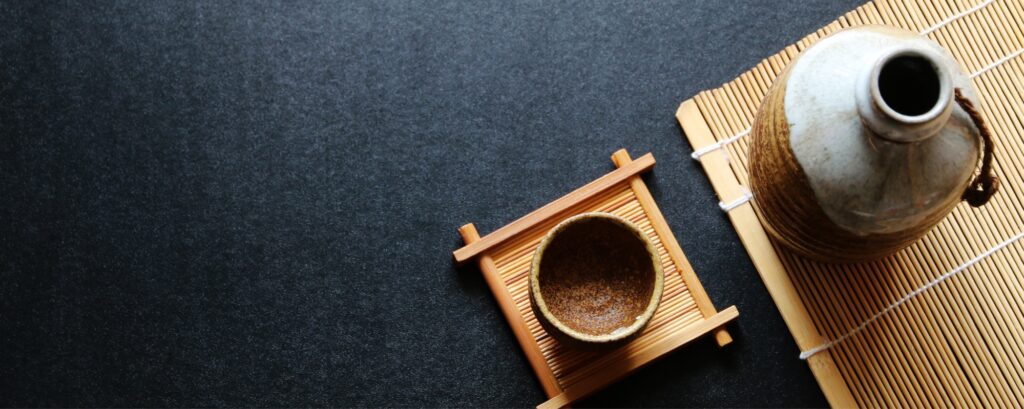
To recap, table wine is defined as following.
・Reasonable wine shared with meal
・Wine with no geographical indication
As generally understood, table wine refers to reasonable wine consumed on casual occasions.
There is no clear distinction for Sake like table wine , but I hdifferentiate high-quality Sake from casual Sake, and call the latter “Table Sake” henceforth. What exactly is Sake casually drunk at dinner table? Let us check out the features.
Sake suitable for Table Sake
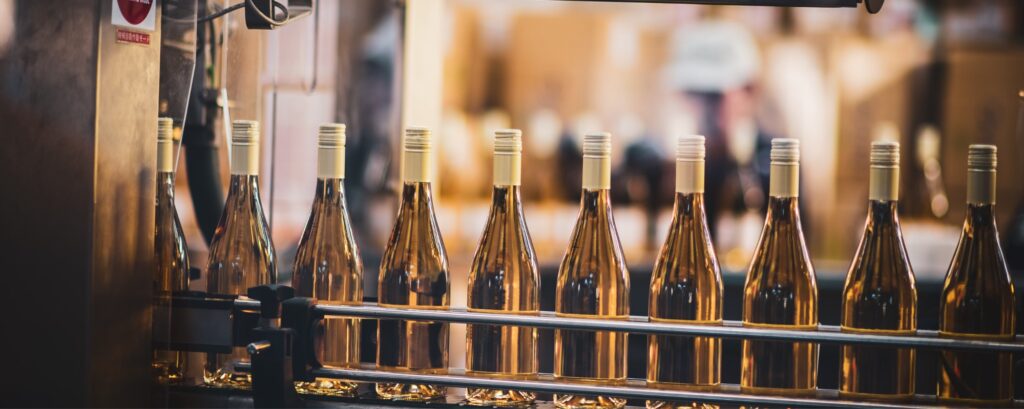
Consumed daily, the price is one of the critical elements to be considered as table Sake. Simply speaking, Honjozo-shu and Futsu-shu are more affordable than others. There are mainly two determining factors of price. The first is the polishing ratio. Higher technic is required to polish the larger portion of rice. Logically speaking, the higher the polishing ratio is, the more rice is required for the production. The polishing ratio for Honjozo-shu is set at 70% or less, while there is no specified rule for Futsu-shu. Neither types require a high-level of polishing activities, so the cost of production can be kept low.
The second point is brewer’s alcohol added during the process of Sake production. In the past, brewer’s alcohol was used to add volume of Sake. When rice was not affluent enough, breweries made Sake by adding a lot of brewer’s alcohol, as well as water, acidic substances, and sugar etc to Junmai-shu to produce Sake. Despite all the adjustments made, the quality of Sake was not good back then. Thus there are still people who have negative image for brewer’s alcohol. However, the maximum limit of brewer’s alcohol is restricted by law, and amount to be added is much less than before.
Historically it was used to increase the volume, but now it is used for another purpose. Brewer’s alcohol plays an important role for the fruity Ginjo flavours to be easily absorbed into Sake. Fruity Ginjo aromas cannot be absorbed by water, but well absorbed by alcohol. To add the fruity flavours unique to Ginjo-shu, strong brewer’s alcohol is highly appreciated. In addition, the Sake becomes sweeter without brewer’s alcohol, in other words, it helps to create a dry finish to Ginjo-shu.
Honjozo-shu and Futsu-shu now contain less than the restricted amount of brewer’s alcohol according to the tax regulations. Reasonable prices are not associated with low quality, so do not worry and try to taste the differences while thinking about the role of brewer’s alcohol.
Attempts of breweries

The domestic consumption of Sake has been decreasing over the years. More specifically, Honjozo-shu and Futsu-shu express a decline in its consumption while specially designated Sake (特定名称酒) show a little increase. It can be analysed by the shift in customers’ needs from the volume to quality as well as a demographic change.
Honjozo-shu and Futsu-shu have widely been enjoyed by the old generations. Demographically speaking, the population is going to shrink. There appear young generations who like to consume specially designated Sake, however approximately 70% of Sake consumption comes from Honjozo-shu and Futsu-shu. Despite an increase in consumption of Specially designated Sake by the young generations, the increase does not supply the decrease caused by the shrink of Honjozo-shu and Futsu-shu drinkers.
Sake industry now stands between tradition and innovation, and on the edge of a cliff to decide which direction the industry should head to. Preferably it should parallelly pay attention to both the tradition and the innovation to seek for an expansion of quality products. Industry is required to adjust the balance according to the trends.
Table Sake, in other words reasonable Sake suitable for daily dinner table, has long been supporting the base of Sake industry. In brief, it has been most loved by lots of Japanese and accompany well with a wide range of cuisine. Tasty Sake does not accord with the highly priced Sake. Why don’t we choose table Sake for your next casual meal?

President & CEO, Kobayashi Junzo Shoten Co., Ltd.
Based in Osaka, I lead Kobayashi Junzo Shoten, a sake wholesaler founded in 1890. Through the cultural richness of Japanese sake, my mission is to connect people and bring smiles to dining tables around the world.
While technology continues to make the world feel smaller, the stories and traditions behind sake brewing can easily fade into the background. I see my role as a bridge—sharing the passion of brewers, opening doors for new audiences, and delivering sake in a way that feels more approachable and relatable.
I enjoy visiting sake breweries, learning about new rice varieties and brewing techniques, and spending time with toji (master brewers) and kurabito (brewery workers) to experience the spirit of sake-making firsthand. On this blog, I’ll share those encounters, my personal insights, and tips to help you enjoy sake even more.
Thank you for reading, and I look forward to connecting with you.
Latest Articles

One stop Quotation Inquiry System
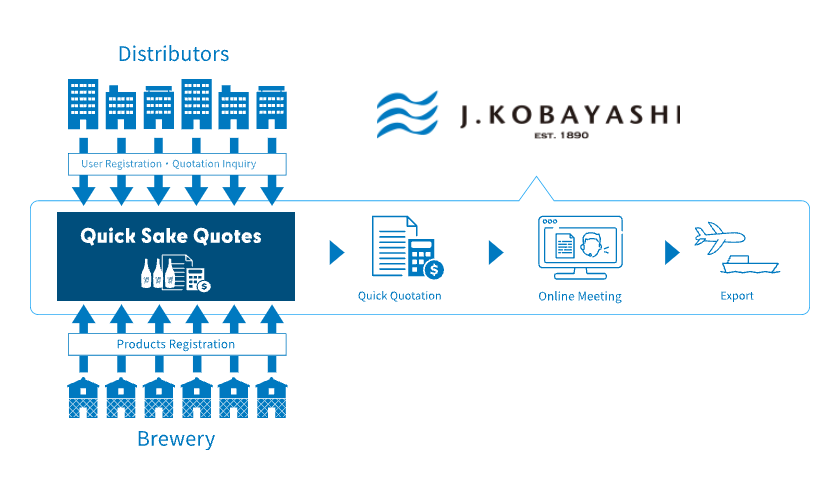
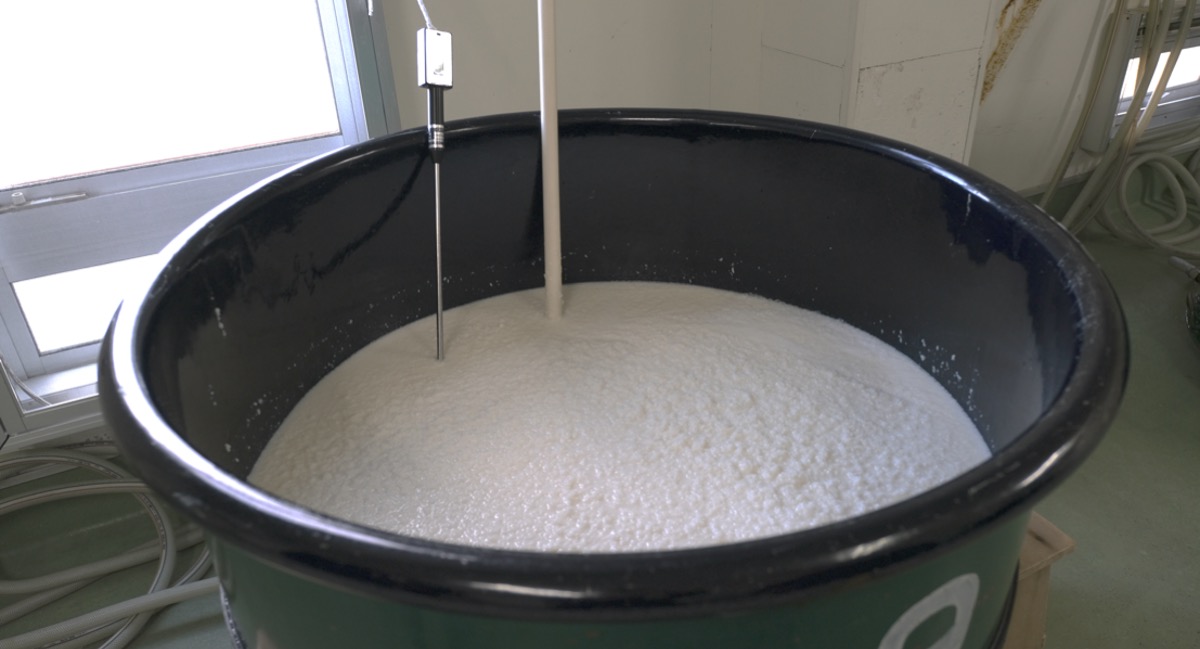
Quick SAKE Quote (QSQ) is a quotation inquiry system where you can receive quotations instantly. In most cases, it takes time to get a quotation for importing Sake, especially when dealing with several breweries. If you finally get an answer after a week or so, the response may be, “They already have a partner in your country,” and you have wasted your valuable time. Let's start your Sake import business efficiently with QSQ!
Read About QSQ
Contact Us
Quick SAKE Quote(QSQ hereafter) is a quotation inquiry system you can receive Quotation instantly.
Join our mailing list
Quick SAKE Quote(QSQ hereafter) is a quotation inquiry system you can receive Quotation instantly.
we will share content that:
Clear and explain the point without too much words.Contains at least one figure or clear example.Make you learn something new, or at least to remind you of it.