


SAKE blog


Published: 2020.04.08
Last modified: 2026.09.13
Japanese Calendar year -Mutsuki, Kisaragi, Yayoi…-

Have you ever heard of the term “Kannazuki”(神無月) or “Shiwasu”(師走)?
To go straight to the bottom line, it is the name of months in the calendar. In Japan, the calendar was slightly different and the calendar was so-called “Kyoreki”(旧暦), and it has been used by Meiji era(1868-1912).
This time, ikki deliver information about Kyureki in Japan.
4 seasons and months
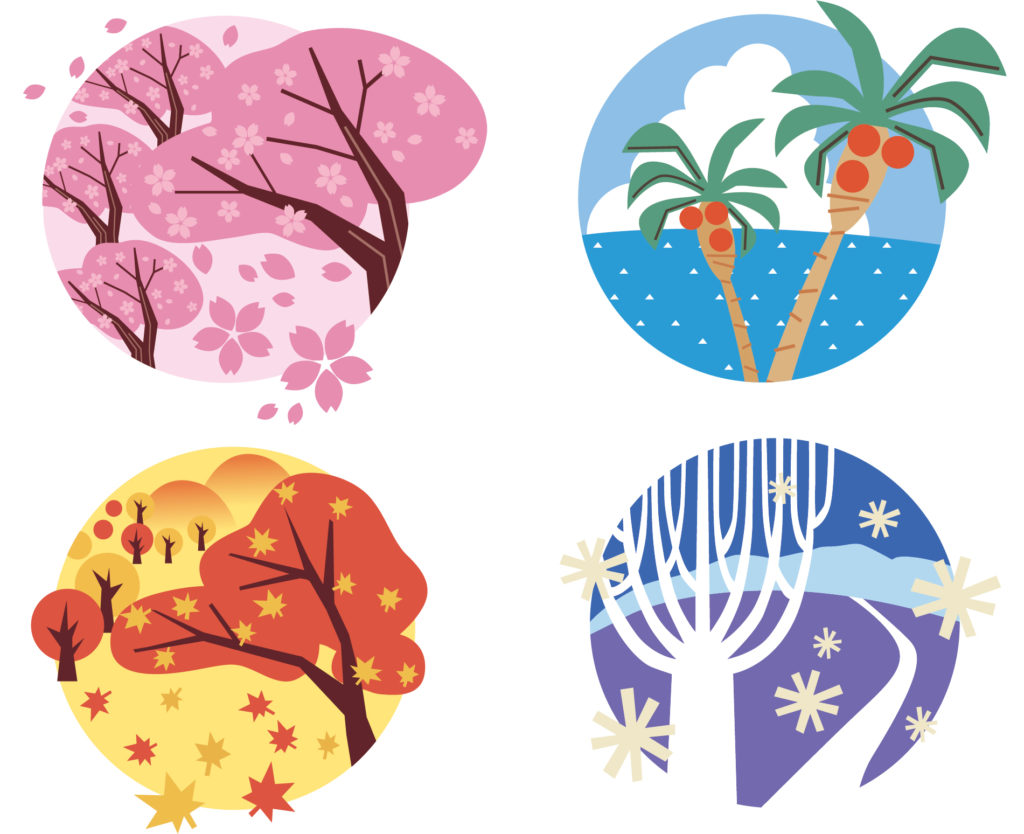
These days, when divide the year in 4 seasons, it will be like below;
- Spring: March April May
- Summer: June July August
- Autumn: September October November
- Winter: December January February
Most of the people today get used to those seasons, but in the past the sense of Japanese people were different as below;
- Spring: January February March
- Summer: April May June
- Autumn: July August September
- Winter: October November December
Because of those difference, Japanese people sometimes use the words “Koyomi no Ue dewa”(On the calendar). Even the real world does not catch up with the Kyureki season, Japanese people often respect this old season on the old calendar.
和風名月: Japanese name of month
On the Kyureki calendar, the name of months was different to the name today. For example, Japanese people call “Ichigatsu”(the month one) January, but in the old calendar it is “Mutsuki”.
In the past, Japanese people name the month with the impression of the month rather than the order, number.
Mutsuki 睦月 – January
January is the month of new year: in Japan Oshogatsu お正月. Japanese people cherish the beginning of the year at home, so all the family member gather at this time. The word “睦 Mutsu” means gathering people and deepening the relationship.
Kisaragi 如月 – February
It gets even colder and people wear on top, and it is called Kisaragi 衣更着 in the Chinese characters. In Japan, people often consider the word as phonetic symbol, so they play with the letters and change the character to Kisaragi 衣更着.
Yayoi 弥生 – March
The letters mean the green is about to start grow. In this month, it will end the winter season and soon get green.
Uzuki 卯月 – April
卯 means the flower of deutzia. It is the season of blooming and the bloom of deutzia tells the new season at that time.
Satsuki 皐月 – May
Originally called Sanaetsuki 早苗月, meaning start to plant. Then change the name to Satsuki as year goes by.
Minatsuki 水無月 – June
It is a season of Tsuyu 梅雨 and as paddy fields hold water it is named the month of water Minatsuki. From the Chinese characters, it can be read as “No water month” as 無 means NO, but at that time also used as OF.
Fumitsuki 文月 – July
It is Tanabata festival season七夕. In Tanabata, people write a letter on Tanzaku 短冊. 文 means letter, os the month of letter.
Hazuki 葉月 – August
Leaves turn red, and fall in this season. People imagine this fallen leaf to name Hazuki, the month of leaf.
Nagatsuki 長月 – September
The night time starts to get longer from this season. So the month of longness, Nagatsuki.
Kannaduki 神無月 – October
In Japan, there are 8 million gods and this month, all the god gather at Izumo Taisha at Shimane so the gods in rest of the area will be absent. Therefore it is called Kannnaduki, No god month.
Shimotsuki 霜月 – November
Japan get frosted in this month. So the month of frost, Shimotsuki.
Shiwasu 師走 – December
It is the end of the year and people need to prepare for the new year, so getting busy. 師 means a monk, and 走 means to run. In the new year people visit temple in Japan, so 師走 means the month monks are busy for the new year.
Hope you learn a lot. Some of the Sake has those letter to express the seasonality, so please look at the label carefully.
See you in the next article!
(Ref: NHK https://www.nhk.or.jp/kokugo/nihongo/)

President & CEO, Kobayashi Junzo Shoten Co., Ltd.
Based in Osaka, I lead Kobayashi Junzo Shoten, a sake wholesaler founded in 1890. Through the cultural richness of Japanese sake, my mission is to connect people and bring smiles to dining tables around the world.
While technology continues to make the world feel smaller, the stories and traditions behind sake brewing can easily fade into the background. I see my role as a bridge—sharing the passion of brewers, opening doors for new audiences, and delivering sake in a way that feels more approachable and relatable.
I enjoy visiting sake breweries, learning about new rice varieties and brewing techniques, and spending time with toji (master brewers) and kurabito (brewery workers) to experience the spirit of sake-making firsthand. On this blog, I’ll share those encounters, my personal insights, and tips to help you enjoy sake even more.
Thank you for reading, and I look forward to connecting with you.
Latest Articles



One stop Quotation Inquiry System
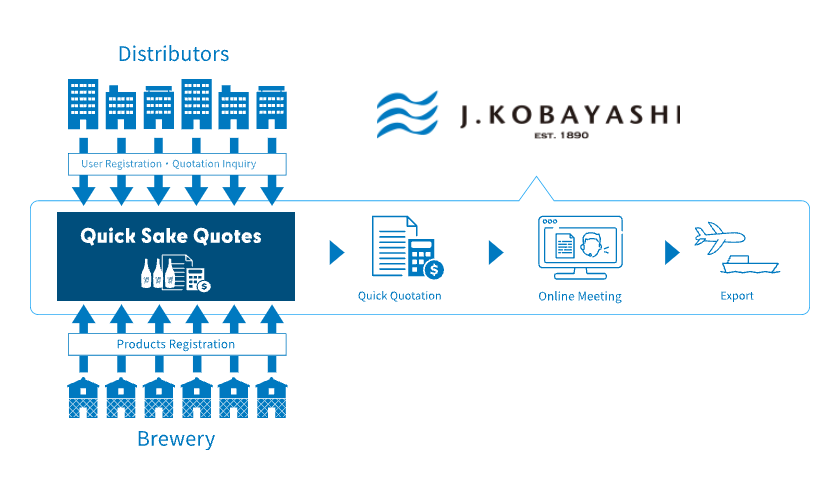
Quick SAKE Quote (QSQ) is a quotation inquiry system where you can receive quotations instantly. In most cases, it takes time to get a quotation for importing Sake, especially when dealing with several breweries. If you finally get an answer after a week or so, the response may be, “They already have a partner in your country,” and you have wasted your valuable time. Let's start your Sake import business efficiently with QSQ!
Read About QSQ
Contact Us
Quick SAKE Quote(QSQ hereafter) is a quotation inquiry system you can receive Quotation instantly.
Join our mailing list
Quick SAKE Quote(QSQ hereafter) is a quotation inquiry system you can receive Quotation instantly.
we will share content that:
Clear and explain the point without too much words.Contains at least one figure or clear example.Make you learn something new, or at least to remind you of it.