


SAKE blog


Published: 2022.06.14
Last modified: 2026.10.20
History of Japanese Sake – The oldest Sake brewery
As its name shows, Sake also known as Nishonshu, is alcoholic beverage made in Japan. It has a long history. It is rare to find people who seriously think about the history of Sake when consuming it, however, the deeper you understand history of Sake, the more attractive you found the product. This article touches upon its history of Sake and breweries to help people increase interest and have more attachment to it.
History of Sake
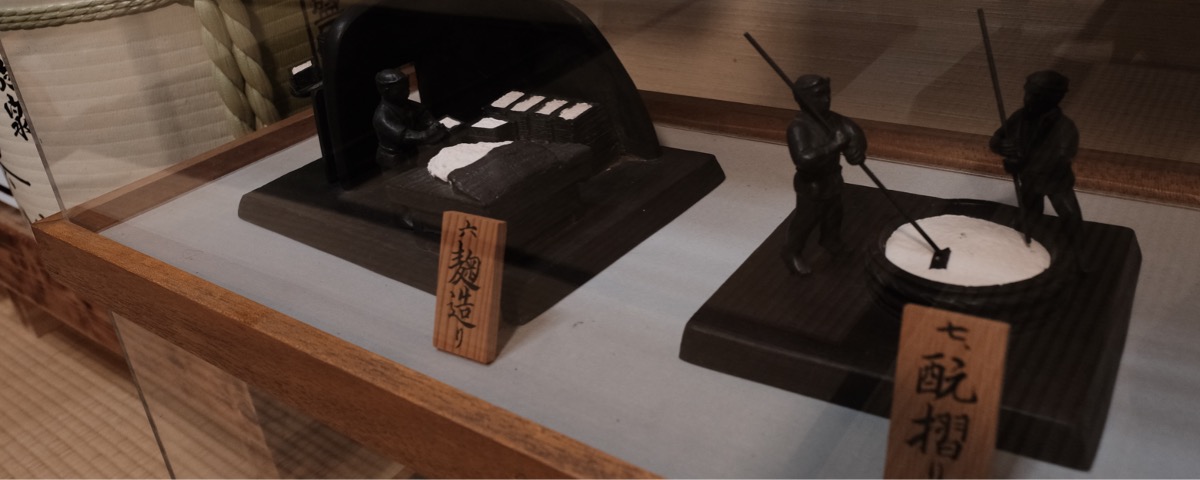
Exact period of the beginning of Sake production is still unknown. With the latest study, it is estimated to have started around B.C. 2000 (Yayoi Period in Japanese history) at approximately a simultaneous time as the rice harvesting technic was introduced to Japan.
Around the late 700 A.D. (Nara Period), the production technic developed to reach a stable level of harvest of rice, and a special department was installed within the national government to administrate Sake production to be delivered to the capital. The governmental office was called ‘Sake-no-Tsukasa’.
Sake production started to be performed at temples, shrines and private entities after 800 A.D. (Heian Period) After 1336 (Muromachi Period), dedicated Sake shops started to appear to reach more consumers.
Sake production as a genre of industry became widely recognized around 1600 (Edo Period). Sake production expanded to provide a wider variation of flavours and aroma, and the production process became more sophisticated. Production methods symbolized by winter production of Sake, Kanzukuri, (寒造り) and pasteurization process, Hi-ire (火入れ) dramatically developed in the Edo Period. These technics were spread by merchants to the public, therefore Sake production succeeded in largely growing. 1868 and onwards (Meiji Period), national institutions researched and developed technics for Sake production with scientific analysis, its production style achieved what it is currently found.
Three oldest breweries
When you think of Sake breweries, you may instantly think that they are more or less old. Sake breweries are often associated with traditions and each brewery is willing to present itself with tradition. Among 1400+ breweries existing in Japan, I introduce three oldest breweries below.
3rd oldest: Kenbishi Sake Brewing Co., Ltd 剣菱酒造 (Founded in 1505, 517 years old)
Sake of Kenbishi is famous for its prestigious water. Water used at Kenbishi is called Nada-no-miyamizu, meaning sacred water of Nada. Miyamizu springs from the coastline of Nishinomiya is believed to have an ideal balance of minerals. The brewery’s motto is to maintain the quality of ingredients, namely rice, regardless of the price. The motto has been descended from generations to generations to maintain its prestige.
2nd Hiraizumi Sake Brewery飛良泉本舗 (Found in 1487, 535 years old)
Hiraizumi Sake Brewery is located at the bottom of Chokaizan-mountains stretching between Akita and Yamagata prefectures. It uses clean underground water called Fukuryusui (伏流水). The famous Sake from this brewery is “Hiraizumi” in Yamahai style. It features a high acidity which attracts a number of fans.
1st Sudo Honke 須藤本家 (Founded in 1141, 881 years old)
Sudo honke is a brewery with longest history in Japan. The current master is 55th generations. The brewery introduced Nama-zake and hiya-oroshi for the first time in history. It carefully selects rice and utilizes 100% local rice of Kasama-city. The brewery is proud to exclusively produce non-filtered Junmai-daiginjo Sake, and it is active in export, receiving high reputations both from inside and outside of Japan.
Sake and its future

Sake is one of the traditional industries in Japan. There are some breweries with more than 100 year-old history, whereas others have to call it a day to its history and shut down. With a little pessimistic view, the domestic Sake market does not have large room for expansion, therefore the Sake industry ends up shrinking unless being aimed for an overseas market. Besides, there are also some negative factors to cause a decrease in domestic consumptions such as the decline in population and shift in the preferences in tastes. It is time for Sake industry to consider exporting and be innovative to maintain the production level. The number of Sake fans overseas is on the rise thanks to the popularity of Washoku, Japanese cuisine, which results in an increase in export of Sake volume every year. The oldest brewery in Japan, Sudo Honke is also aggressively engaged in the exporting business, carefully catching the needs of the overseas. In brief, it is important to renovate the technics, take in the late thoughts while preserving the tradition of Sake. The balance between tradition and innovation becomes even more important for the breweries to transform themselves as well as to let them last to the future generations.
ikki is looking for a partner who can post your knowledge or activity on our media. If you are interested please contact us through CONTACT page.

President & CEO, Kobayashi Junzo Shoten Co., Ltd.
Based in Osaka, I lead Kobayashi Junzo Shoten, a sake wholesaler founded in 1890. Through the cultural richness of Japanese sake, my mission is to connect people and bring smiles to dining tables around the world.
While technology continues to make the world feel smaller, the stories and traditions behind sake brewing can easily fade into the background. I see my role as a bridge—sharing the passion of brewers, opening doors for new audiences, and delivering sake in a way that feels more approachable and relatable.
I enjoy visiting sake breweries, learning about new rice varieties and brewing techniques, and spending time with toji (master brewers) and kurabito (brewery workers) to experience the spirit of sake-making firsthand. On this blog, I’ll share those encounters, my personal insights, and tips to help you enjoy sake even more.
Thank you for reading, and I look forward to connecting with you.
Latest Articles
One stop Quotation Inquiry System
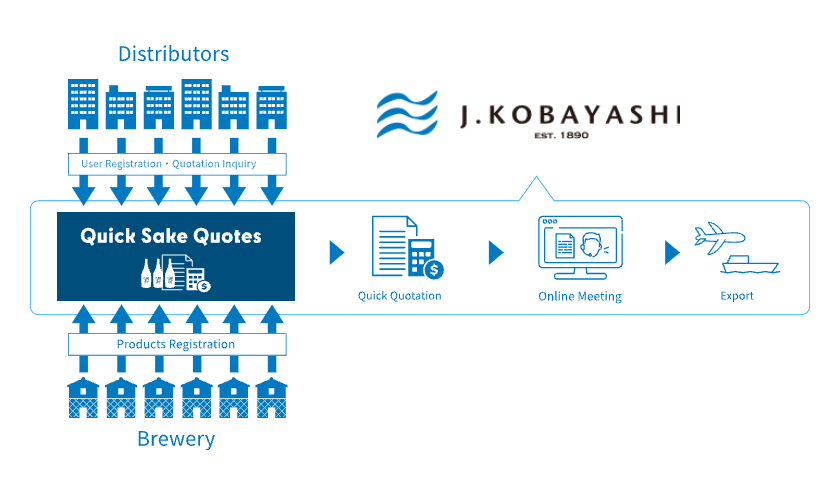
Quick SAKE Quote (QSQ) is a quotation inquiry system where you can receive quotations instantly. In most cases, it takes time to get a quotation for importing Sake, especially when dealing with several breweries. If you finally get an answer after a week or so, the response may be, “They already have a partner in your country,” and you have wasted your valuable time. Let's start your Sake import business efficiently with QSQ!
Read About QSQ
Contact Us
Quick SAKE Quote(QSQ hereafter) is a quotation inquiry system you can receive Quotation instantly.
Join our mailing list
Quick SAKE Quote(QSQ hereafter) is a quotation inquiry system you can receive Quotation instantly.
we will share content that:
Clear and explain the point without too much words.Contains at least one figure or clear example.Make you learn something new, or at least to remind you of it.