


SAKE blog


Have you heard Sake also has a GI (Geographical Indication) system?
In Japan, GI certification system started in 2005 with an intention to protect the ‘local’ brands. Can it be similar to AOC in France and DOP in Italy, then what are the differences?
Geographical Indication in Japan
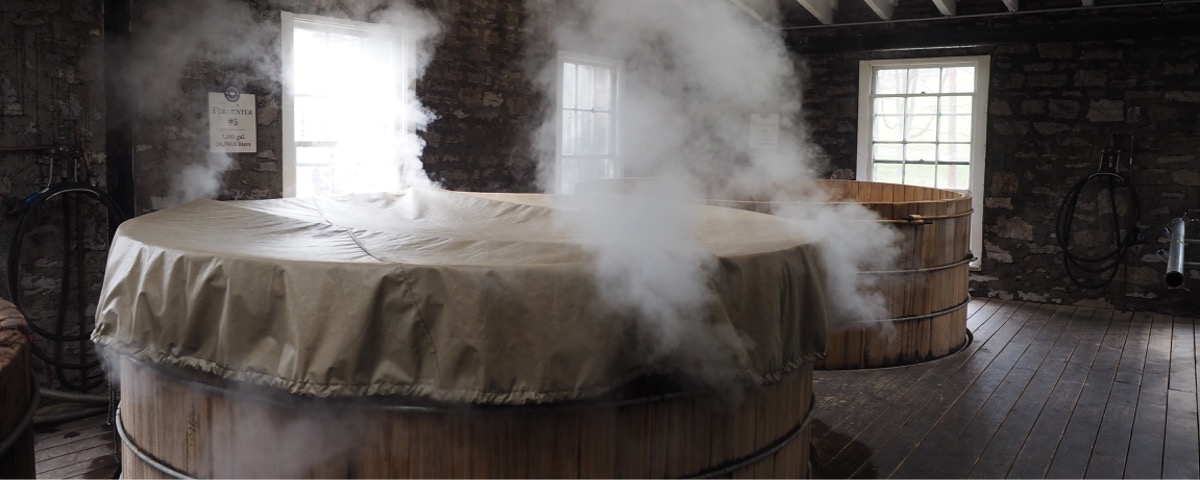
The Japanese version of GI (Geographical Indication) was introduced in 1994 by the Japanese Tax Agency to manage and protect the designation of origin.
After the foundation of WTO, it became mandatory to label designation of origin to wine and spirit. With an attempt to follow the global trend, GI for Shochu was initiated in 1995.
Simply speaking, Japanese GI system was introduced taking in the ideas of the preceding geographical indication system of the world.
In 2005, 5 Sake breweries in Hakusan of Ishikawa Prefecture succeeded in obtaining a geographical indication of Hakusan, which was the first GI given for Sake.
Export of Sake has largely been promoted by the Japanese National Tax Agency, and the GI designation was accelerated to support the policy, and vice versa. The title of “GI Sake “ started to be used exclusively for Sake produced in Japan. There are currently 10 GIs in Japan, including GI Nagano which was most recently added to the list in 2021.
Comparison with Wine
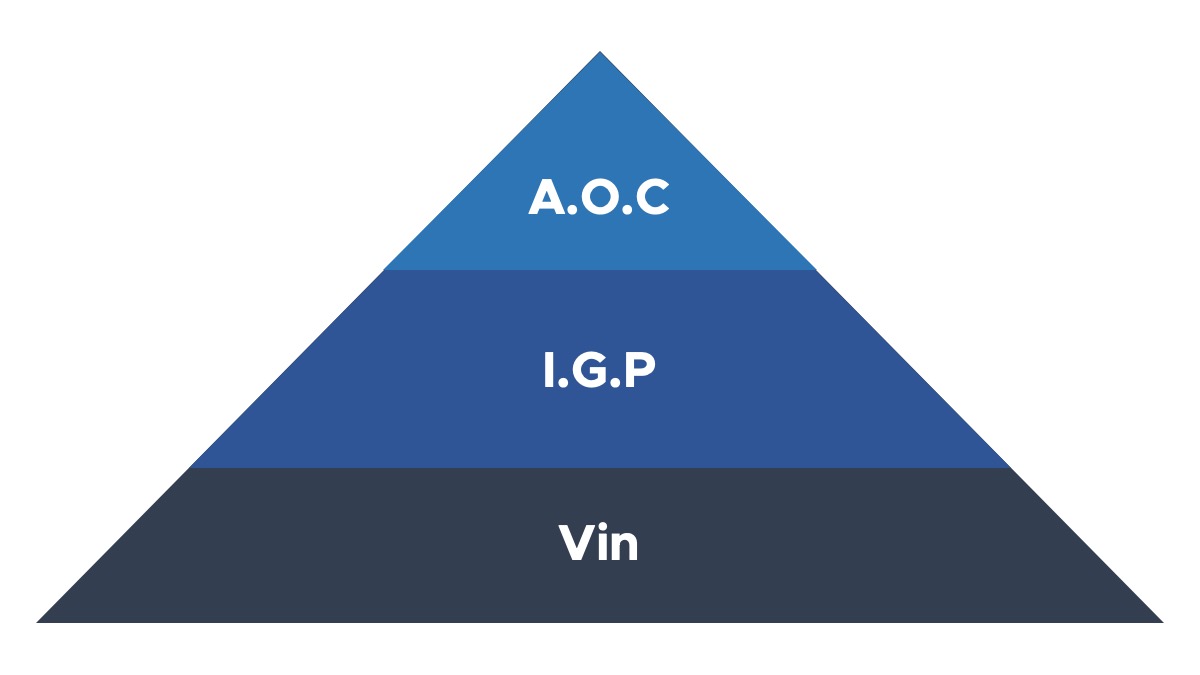
AOC stands for Appellation d’Origine Controlee and its system is controlled by France..
Due to the modification of EU laws, designation of “AOP” was added to the top category of AOC, but it can be regarded as equal for a general usage.
The classification of wine in France consists of 3 categories.
The category for “Vin” is used for the wines which are suitable for daily consumption. Commonly known as table wine, all wines without any specification of geographical indication fall into this group.
The second category is called Indication Géographique Protégée (IGP).
Wines in this category are considered to exceed a certain standard, and these wines are allowed to show their origins on the labels. For Sake, IGP is thought be a group of Jizake « local Sake (地酒) ».
The top category is called Appellation d’Origine Controlee (AOC). Wines in this category exceed a strict standard of ingredients and production methods. AOC is like an honor title awarded for high quality wines.
GI in present and for the future
GI in Japan has not completely developed its standardization system. In fact, Japan is still behind in standardizing GIs as it has no more than 10 indications in IGP-level, whereas French AOC brands are well-known and well-administrated by the state over the years. It implies there is still some work to be done for Japanese GI.
A difficulty in designating GI for Sake is that the quality of Sake cannot be fully controlled by its area of production. There is no doubt that terroir is one of the profound determinants for the quality and locality of wine. However, the conditions may differ for Sake. Since rice can be transported and stored easily, historically, Sake has also been produced using rice delivered from other regions. As a result, the discussions in Japanese GI system are still ongoing, as the clear guideline for ‘locality’ is yet to be agreed. Should locality of Sake attribute to local rice, local water as well as local Toji artisans? Some producers started to promote the quality of local rice and water used for their Sake, but are the techniques of Toji exclusive from evaluation of GI? Discussion continues…
GI will surely contribute to the expansion of branding of Sake, so let us keep an eye on the GI!
ikki is looking for a partner who can post your knowledge or activity on our media. If you are interested please contact us through CONTACT page.

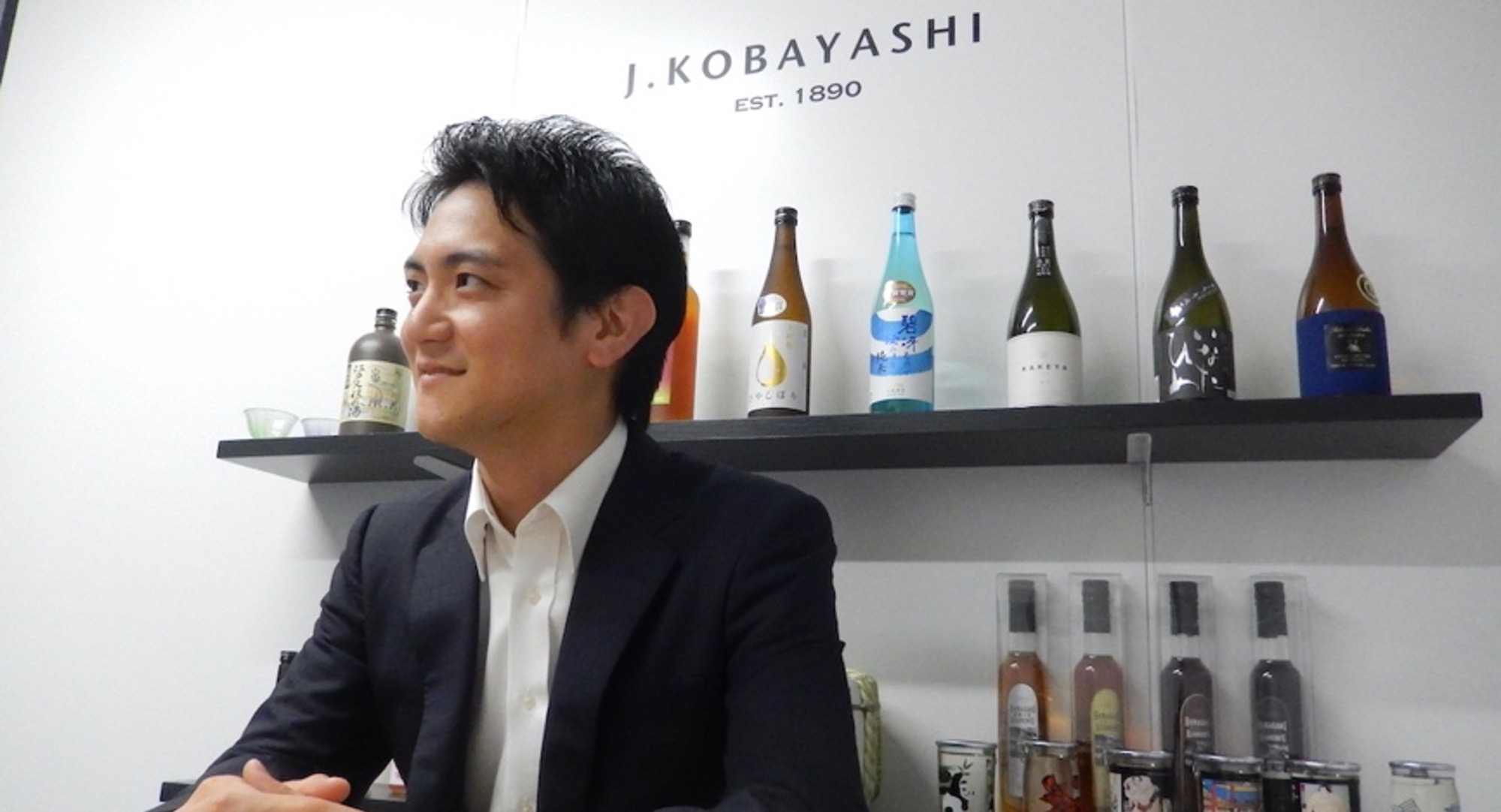
President & CEO, Kobayashi Junzo Shoten Co., Ltd.
Based in Osaka, I lead Kobayashi Junzo Shoten, a sake wholesaler founded in 1890. Through the cultural richness of Japanese sake, my mission is to connect people and bring smiles to dining tables around the world.
While technology continues to make the world feel smaller, the stories and traditions behind sake brewing can easily fade into the background. I see my role as a bridge—sharing the passion of brewers, opening doors for new audiences, and delivering sake in a way that feels more approachable and relatable.
I enjoy visiting sake breweries, learning about new rice varieties and brewing techniques, and spending time with toji (master brewers) and kurabito (brewery workers) to experience the spirit of sake-making firsthand. On this blog, I’ll share those encounters, my personal insights, and tips to help you enjoy sake even more.
Thank you for reading, and I look forward to connecting with you.
Latest Articles

One stop Quotation Inquiry System
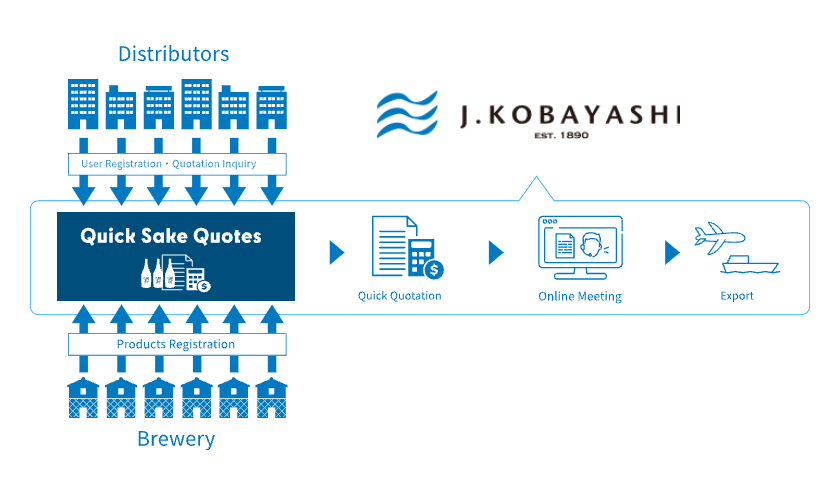
Quick SAKE Quote (QSQ) is a quotation inquiry system where you can receive quotations instantly. In most cases, it takes time to get a quotation for importing Sake, especially when dealing with several breweries. If you finally get an answer after a week or so, the response may be, “They already have a partner in your country,” and you have wasted your valuable time. Let's start your Sake import business efficiently with QSQ!
Read About QSQ
Contact Us
Quick SAKE Quote(QSQ hereafter) is a quotation inquiry system you can receive Quotation instantly.
Join our mailing list
Quick SAKE Quote(QSQ hereafter) is a quotation inquiry system you can receive Quotation instantly.
we will share content that:
Clear and explain the point without too much words.Contains at least one figure or clear example.Make you learn something new, or at least to remind you of it.