


SAKE blog


Published: 2020.07.16
Last modified: 2026.10.13
Local Cuisine -Niigata- / What kind of dishes are eaten in Japan traditionally and locally / Japanese Sake

Regarding the local cuisine, we delivered information about Hyogo, and Kyoto previously.
It is because, in the most case, even in Japan, Japanese Sake is paired with Japanese cuisine. In addition, as the locations of breweries spread all over Japan there are a variety of locality in food culture and Toji plan the taste of Sake based upon what they have traditionally eaten, or imagine their Sake time.
So, to understand the Sake and its locality, it is quite important to know the local dine in local Japan.
This time, ikki deliver information about Niigata, where the most number of brewery located.
Local Cuisine in Niigata
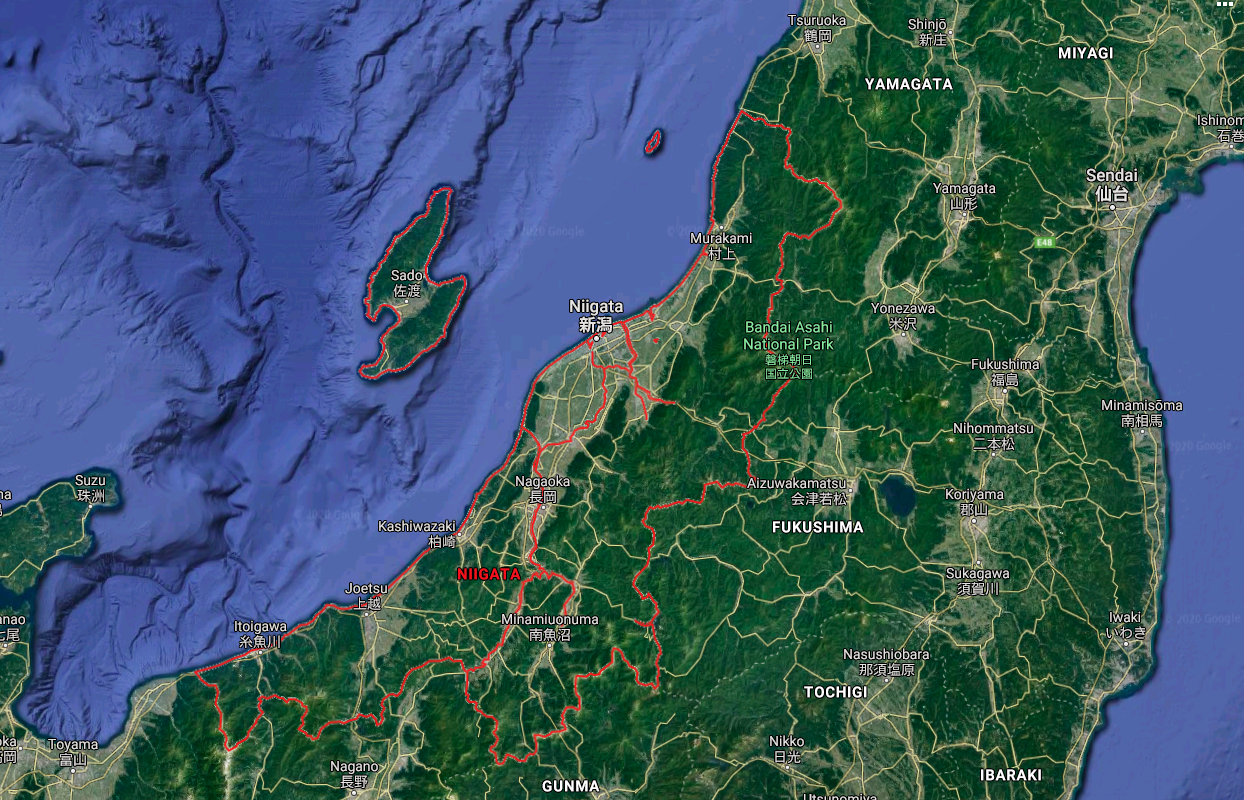
(ref. Google map)
Niigata is one of the famous place to brew Sake in Japan. It has a mountain on East, and flat field along the sea coast. This geographic features makes them to produce delicious rice and it leads to Sake brewing.
Niigata is the place which has a heavy snow in the winter from the long time ago. So, they have a culture to produce preserved food to get over severe winter. In addition, they are attached to Sea of Japan and sea food is inevitable elements to understand food culture in Niigata.
Sasa Dango 笹団子
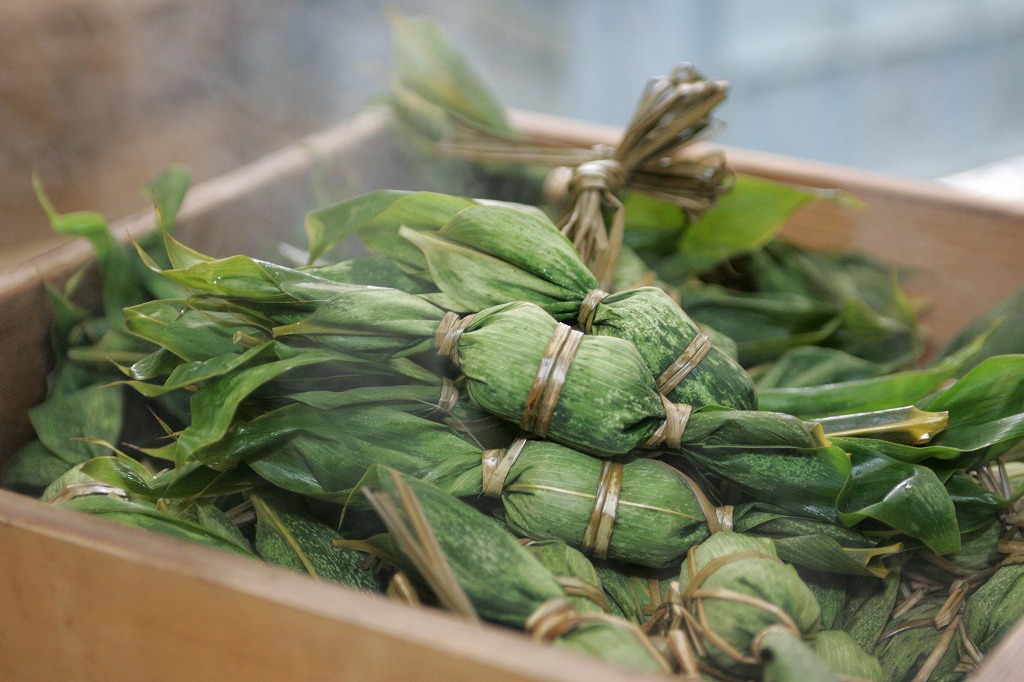
Sasa Dango is a rice cake filled with sweet red bean paste, wrapped in bamboo leaves. Farmers in Niigata sell rice they grow and what is left for them is crappy rices which they cannot sell. Sasa Dango is the knowledge of farmers to make crappy rice into delicious food. Thesedays, it is quite rare to see it at home, but Sasa Dango is one of the traditional food in Niigata.
Hegi Soba へぎそば
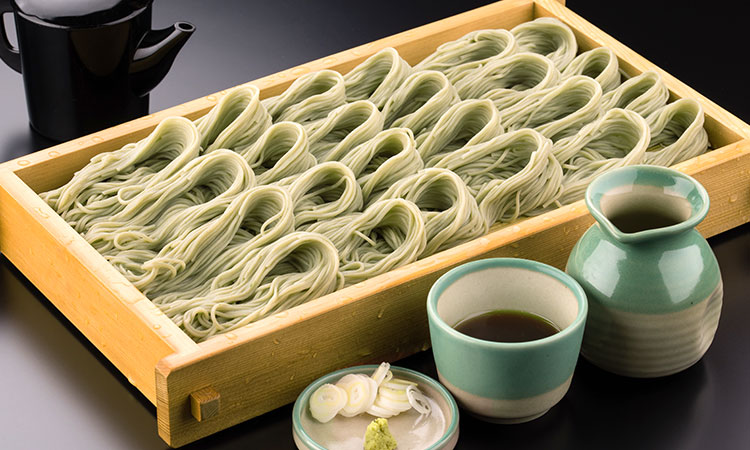
Tokamachi city in Niigata has been very famous of Kimono craft. In the production of Kimono, they use the seaweed called “Funori” to make a yarn. They use Funori for Kimono, but it is also a food so people in Niigata think how to eat and invent Hegi Soba. “Hegi” is a wooden plate they use for Hegi Soba. It has been used in silk production factory.
Noppei Jiru のっぺい汁
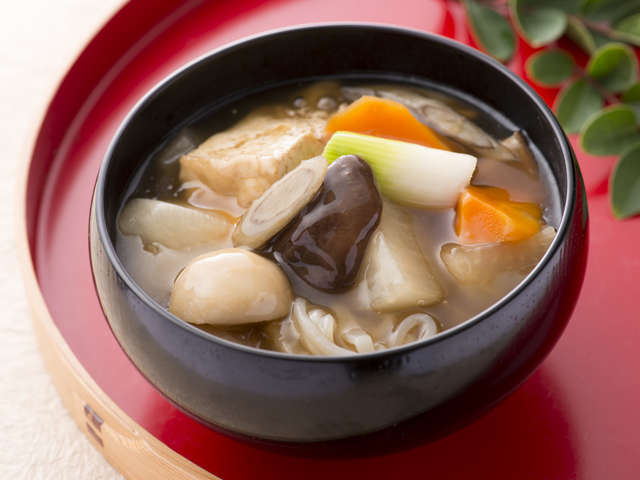
Noppei Jiru is one of the famous Niigata local food. It is a stew boiling the ingredients together, and the ingredients varies with villages to villages. It can be chicken, mushroom, fish and any local ingredients where they can get. The soup is slightly thick. In Japanese cuisine, starch is often used to make thick, but in Noppei Jiru they use yam instead.
Wappa Meshi わっぱ飯
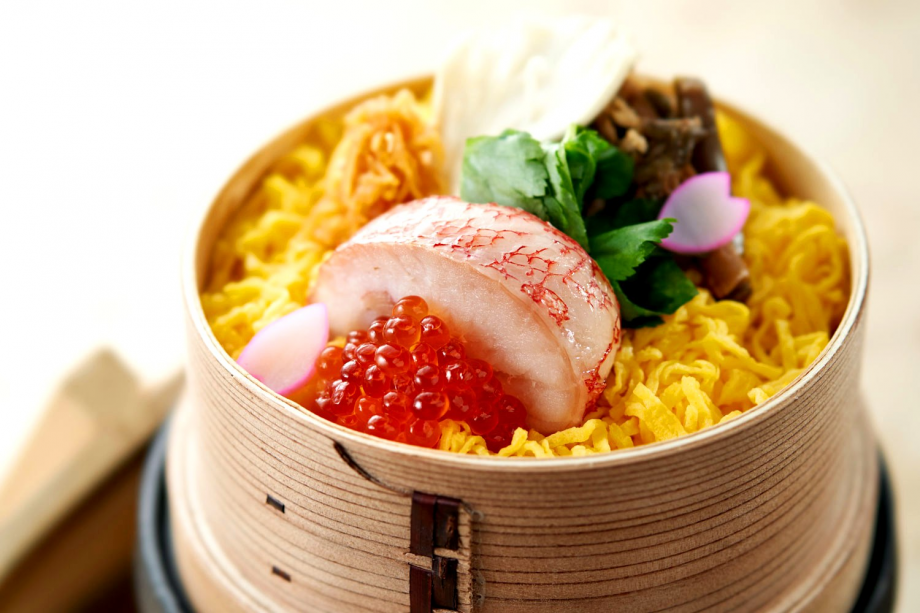
Wappa means a wooden container made of cedar wood. People use cedar as it has an effect of anti-bacteria and anti-odor. There are variety of Wappa Meshi all over Japan, but the origin is in Niigata and the famous Japanese chef called Rosanjin Kitaooji put seasoned rice in Wappa and decorate wild plants and sea food on top at his restaurant called “Inakaya”.
Igoneri いごねり
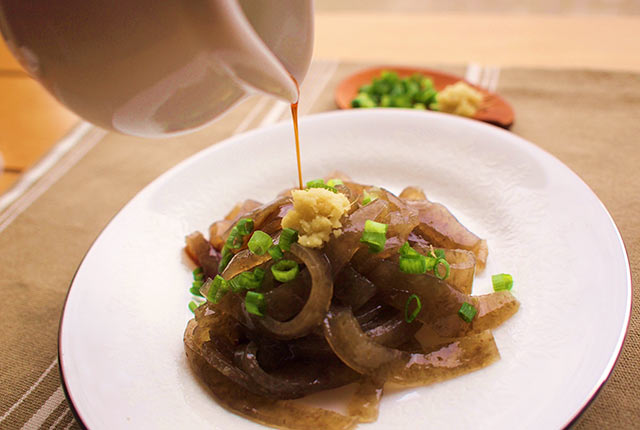
Igoneri is a local food at Sado Island in Niigata. At the island they can get the seaweed called “Ego” and Igoneri is made of only Ego. So, it has low fat and plenty of fibre. They boil Igoneri and eat with soy sauce or ponzu.
Tochioage 栃尾揚げ
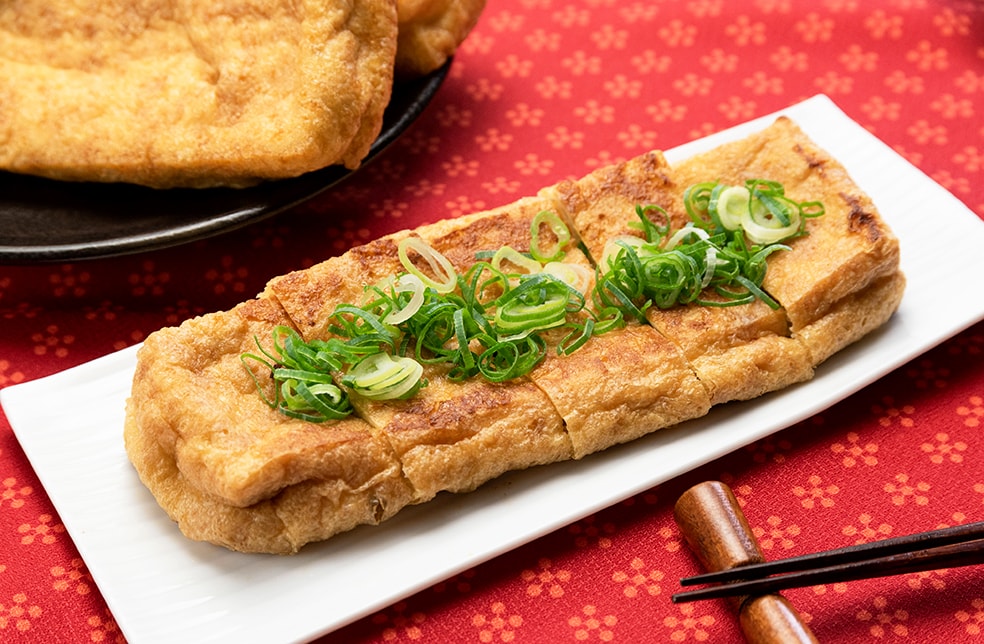
Tochioage is one kind of Aburaage, a deep fried Tofu, in Niigata. Tochio in Niigata is famous for the production of Aburaage and people in Tochio believes Tochioage is the best friend of Sake to enjoy with. Normal Tofu is very fragile, Tofu of Tochoage is hard and concentrated, so very juicy.
Akumaki 灰汁巻き
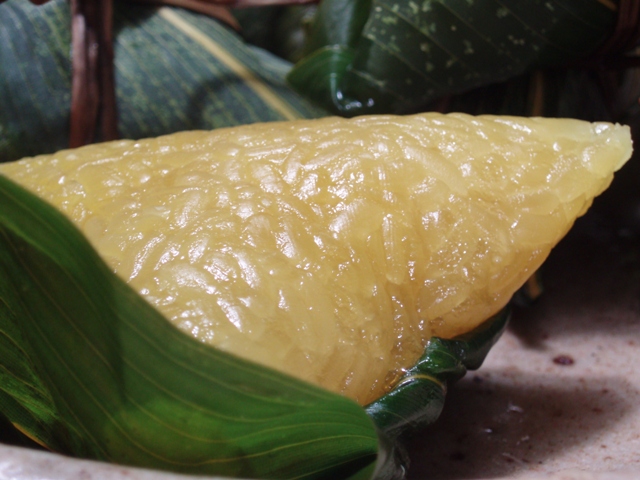
Akumaki is a traditional food in Sanpoku area Murakami city Niigata. They wrap sticky rice with bamboo leaves and boil it with the water with ashes for 2 hours. Ash has an effect of anti-bacteria, so they boil with ashes to make preserved food.


President & CEO, Kobayashi Junzo Shoten Co., Ltd.
Based in Osaka, I lead Kobayashi Junzo Shoten, a sake wholesaler founded in 1890. Through the cultural richness of Japanese sake, my mission is to connect people and bring smiles to dining tables around the world.
While technology continues to make the world feel smaller, the stories and traditions behind sake brewing can easily fade into the background. I see my role as a bridge—sharing the passion of brewers, opening doors for new audiences, and delivering sake in a way that feels more approachable and relatable.
I enjoy visiting sake breweries, learning about new rice varieties and brewing techniques, and spending time with toji (master brewers) and kurabito (brewery workers) to experience the spirit of sake-making firsthand. On this blog, I’ll share those encounters, my personal insights, and tips to help you enjoy sake even more.
Thank you for reading, and I look forward to connecting with you.
Latest Articles

One stop Quotation Inquiry System
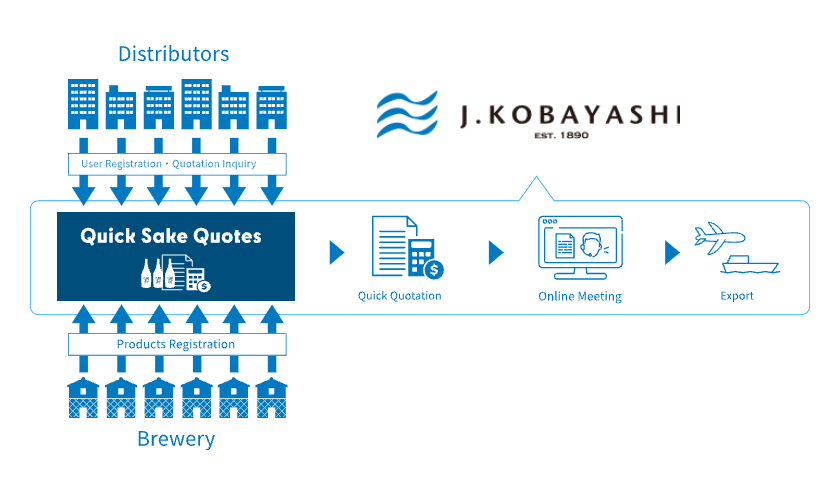
Quick SAKE Quote (QSQ) is a quotation inquiry system where you can receive quotations instantly. In most cases, it takes time to get a quotation for importing Sake, especially when dealing with several breweries. If you finally get an answer after a week or so, the response may be, “They already have a partner in your country,” and you have wasted your valuable time. Let's start your Sake import business efficiently with QSQ!
Read About QSQ
Contact Us
Quick SAKE Quote(QSQ hereafter) is a quotation inquiry system you can receive Quotation instantly.
Join our mailing list
Quick SAKE Quote(QSQ hereafter) is a quotation inquiry system you can receive Quotation instantly.
we will share content that:
Clear and explain the point without too much words.Contains at least one figure or clear example.Make you learn something new, or at least to remind you of it.