


SAKE blog


Published: 2020.01.29
Last modified: 2026.10.02
Geographical Indication (GI) in Japanese SAKE -Enhance product brand with brand locality-

Japanese government will put more effort to promote Sake to the world in 2020. According to National Tax Agency, they are planning to budget for Japanese Sake export 10 times more than the budget of 2019. On their plan, one of the focus point is “Geographical Indication”(GI) .
There is an update with NEW G.I.
https://ikki-sake.com/update-on-23rd-september-2020-geographical-indication-gi-in-japanese-sake-enhance-product-brand-with-brand-locality/
In 2005, National Tax Agency approve the first GI regarding Japanese Sake “Hakusan” in Ishikawa prefecture. Please find the approved GI from the table below;
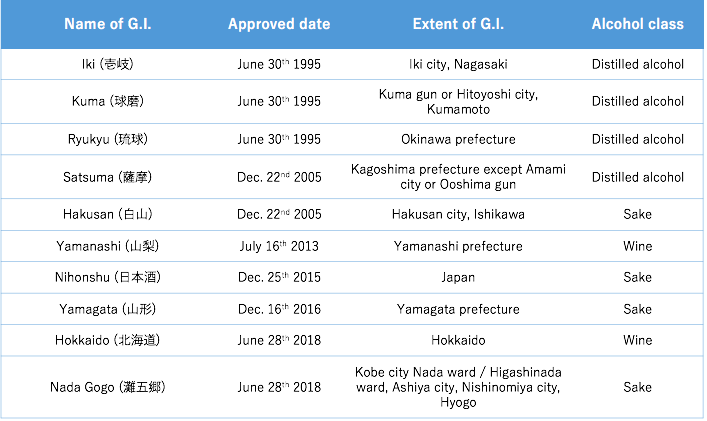
So far, we did not have international agreement regarding Sake G.I., but since 2019 as Japan and EU agreed on Economic Partnership Agreement, GI Hakusan, Nihonshu, Yamagata is protected in EU region.
Japanese Sake and Terroir
When you enjoy wine, what you need to understand to enjoy wine is “Terroir”. The word Terroir include many meanings including geography, soil, climate, level of sunshine and all the elements which affects the quality of wine.
When it comes to Sake, do we understand Terroir when enjoying Sake? Or, do you even imagine the environment of the brewery or rice field?
The answer is “NO”. Traditionally Japanese Sake cares about craftsmanship more than environment. Sake was more to a product of technology than product of nature, but recently Sake industry start to care their “Terroir”.
Background history of Sake
ikki cannot say exact reason of why Japanese Sake was lacking in the concept of Terroir, but possible reasons are as below;
- Rice was not grown around breweries
Unlike wineries, rice which used in Sake brewing was not grown around the brewery. As the best quality rice Yamada Nishiki Special A rank was only grown in Hyogo and a lot of brewers would like to use, breweries were not caring about local ingredients before. One of the reason is a climate. There is an ideal place to grow rice in Japan and with the agricultural know-how at that time, they could not grow good rice in any place.
- Small breweries was selling tanks to big breweries
When Japanese people consume Sake more than now, in order to supply to the market big breweries was buying tanks from small breweries. It is so-called “Okegai”(桶買い). In such production scheme, breweries could not build the brand with locality.
- Traditional competition only evaluate technique
In Japanese traditional competition for the Sake brewers called “Nihonshu Kanpyokai”(日本酒鑑評会), they evaluated only technique of Toji in the brewery. So, there was no product brand name when they apply, unlike recent Sake competition like Kura Mater, and the award is only sent to Toji of the brewery.
- Sake was Sake
When Japanese people order Sake before, they only order Hiya(Cold) or Kan(Hot). In the other words, market did not care about each Sake brand. If you drink Sake daily, it is Sake from one of the big breweries, and if you travel to local you enjoy Jizake(地酒) from local small breweries.
There are more background, but what ikki can say is the change in lifestyle and oversea market, these 2 reasons strongly push breweries to focus on their locality “Terroir”.
Please understand that what ikki mentioned above is what was happening more than 10 years ago.
Sake industry is trying to organize brand with GI, so please check where this Sake from and imagine the original place environment when you enjoy Sake.
Thank you for reading.


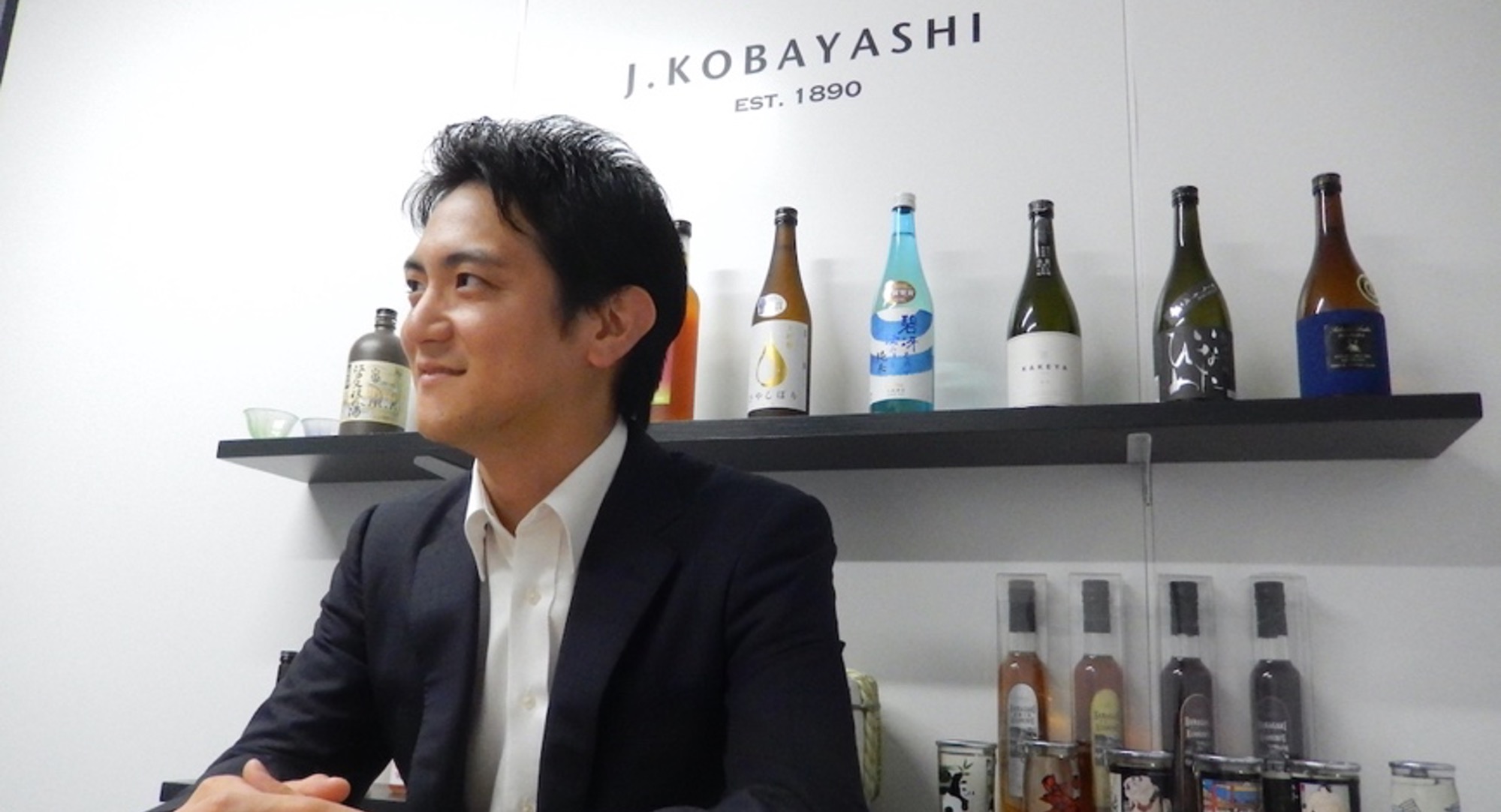
President & CEO, Kobayashi Junzo Shoten Co., Ltd.
Based in Osaka, I lead Kobayashi Junzo Shoten, a sake wholesaler founded in 1890. Through the cultural richness of Japanese sake, my mission is to connect people and bring smiles to dining tables around the world.
While technology continues to make the world feel smaller, the stories and traditions behind sake brewing can easily fade into the background. I see my role as a bridge—sharing the passion of brewers, opening doors for new audiences, and delivering sake in a way that feels more approachable and relatable.
I enjoy visiting sake breweries, learning about new rice varieties and brewing techniques, and spending time with toji (master brewers) and kurabito (brewery workers) to experience the spirit of sake-making firsthand. On this blog, I’ll share those encounters, my personal insights, and tips to help you enjoy sake even more.
Thank you for reading, and I look forward to connecting with you.
Latest Articles

One stop Quotation Inquiry System
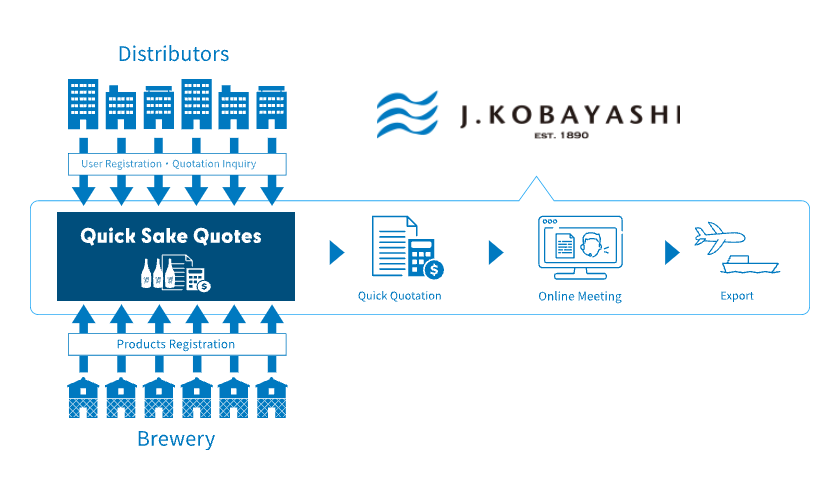
Quick SAKE Quote (QSQ) is a quotation inquiry system where you can receive quotations instantly. In most cases, it takes time to get a quotation for importing Sake, especially when dealing with several breweries. If you finally get an answer after a week or so, the response may be, “They already have a partner in your country,” and you have wasted your valuable time. Let's start your Sake import business efficiently with QSQ!
Read About QSQ
Contact Us
Quick SAKE Quote(QSQ hereafter) is a quotation inquiry system you can receive Quotation instantly.
Join our mailing list
Quick SAKE Quote(QSQ hereafter) is a quotation inquiry system you can receive Quotation instantly.
we will share content that:
Clear and explain the point without too much words.Contains at least one figure or clear example.Make you learn something new, or at least to remind you of it.