


SAKE blog


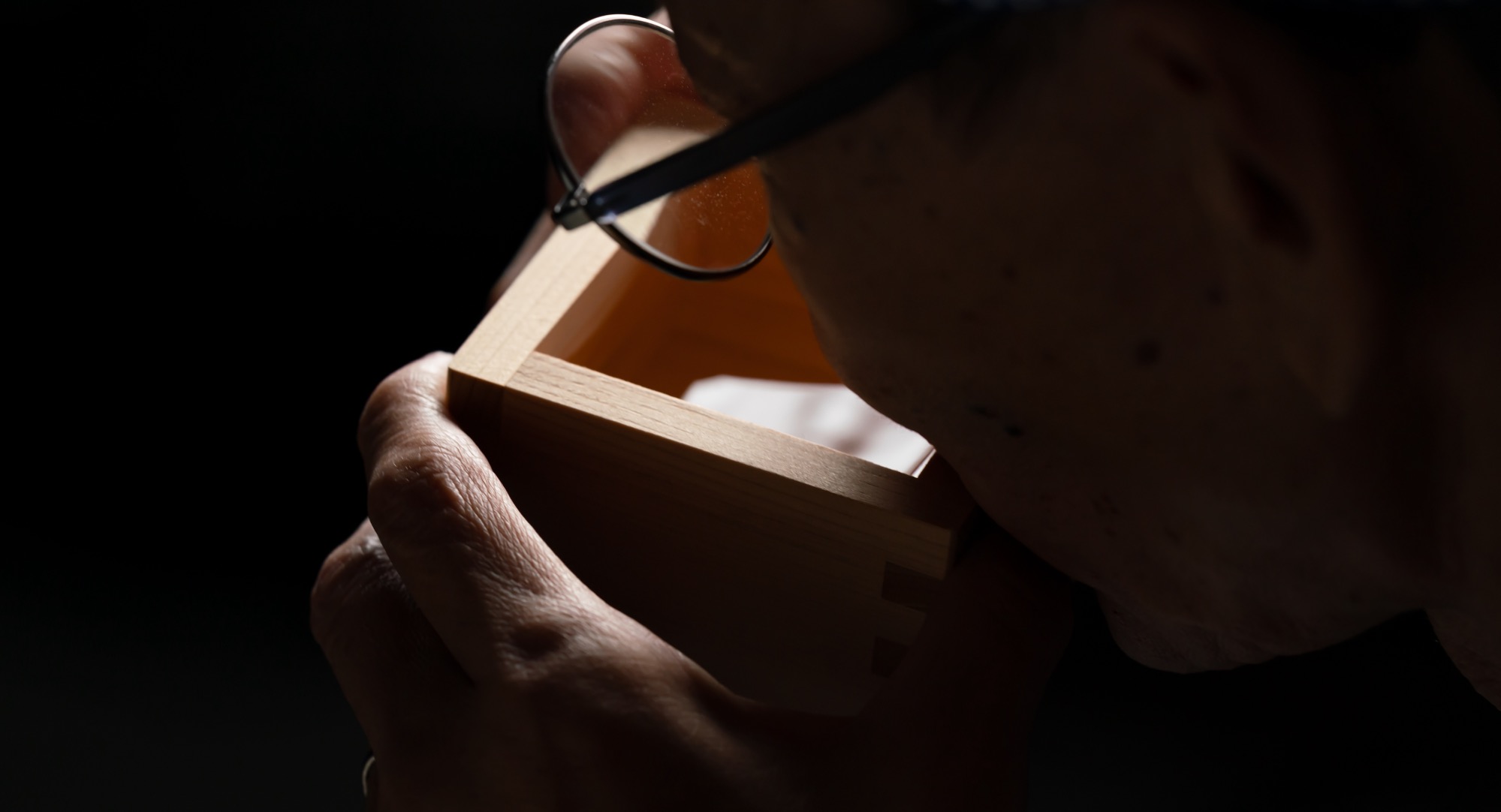
Do you think there are too much to know about Sake? Let’s keep it simple. The best way to understand is to taste it. Here are some tips!
After a few tastings, you will be able to better follow the tasting process. Here is the tasting flow and the tips to keep in mind:
1. Pour Sake into a glass
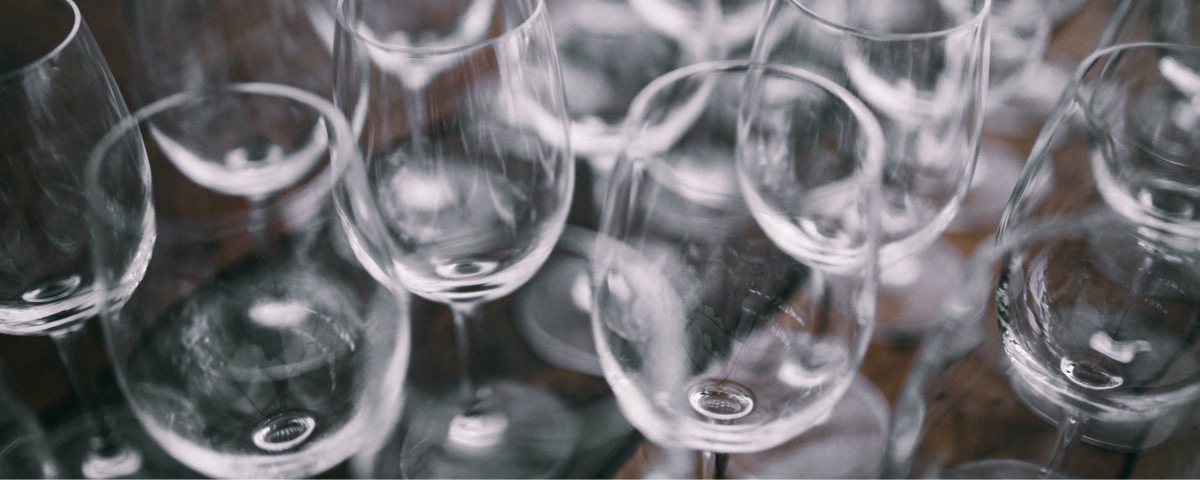
I recommend you serve sake at a room temperature. Sake is served at a room temperature even at tasting sessions for professionals. If it is too cold, Sake fails to vapor its original aroma. In case Sake is stored cold, bring it back to a room temperature to taste. No rush! Gently pour your sake into your glass.
2. Observe colors and viscosity
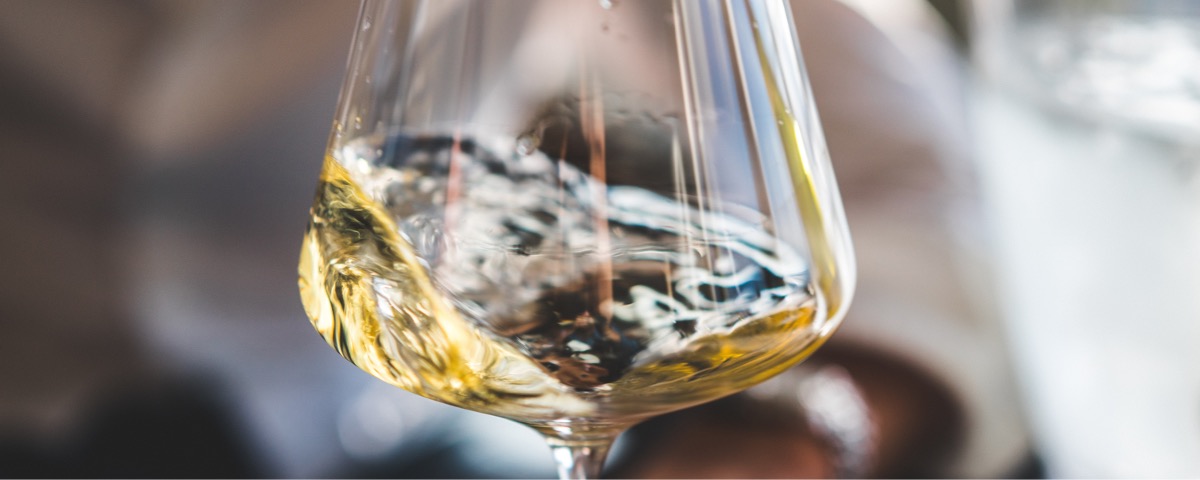
Check colours and tones
Sake is not always crystal clear. Non-filtered Sake is yellowish, like yellow leaves in autumn. Aged Sake tends to have amber colours.
Check viscosity
When you lean your glass and check the speed of liquid coming down on the surface of the glass, we can tell how viscose it is. Sake with high viscosity tends to have a soft smooth taste.
3. Observe aroma

Check Strength of the aroma
By measuring the distance of nose and the glass, check the strength of aroma from the Sake
Analysis of the aroma
Analyse the elements of the aroma within the Sake
E.g. Fruit, flower,Plants (leaf, wood, root etc.), mushroom, spice, nuts, rice, dairy, earth, mineral, roasted, fauty smell
4. Taste on your palate

Here is a possible check list for the palate tasting
・Strength of a first impression
・Intensity of the colour
・Level of maturation
・Impression of taste
・Length of Finish
・Crispness
・Modori-ka (Returning aroma)
・Categorisation into 4 types
Following these steps, you will better observe the Sake and enjoy it more.
************
ikki is looking for a partner who can post your knowledge or activity on our media. If you are interested please contact from CONTACT page.

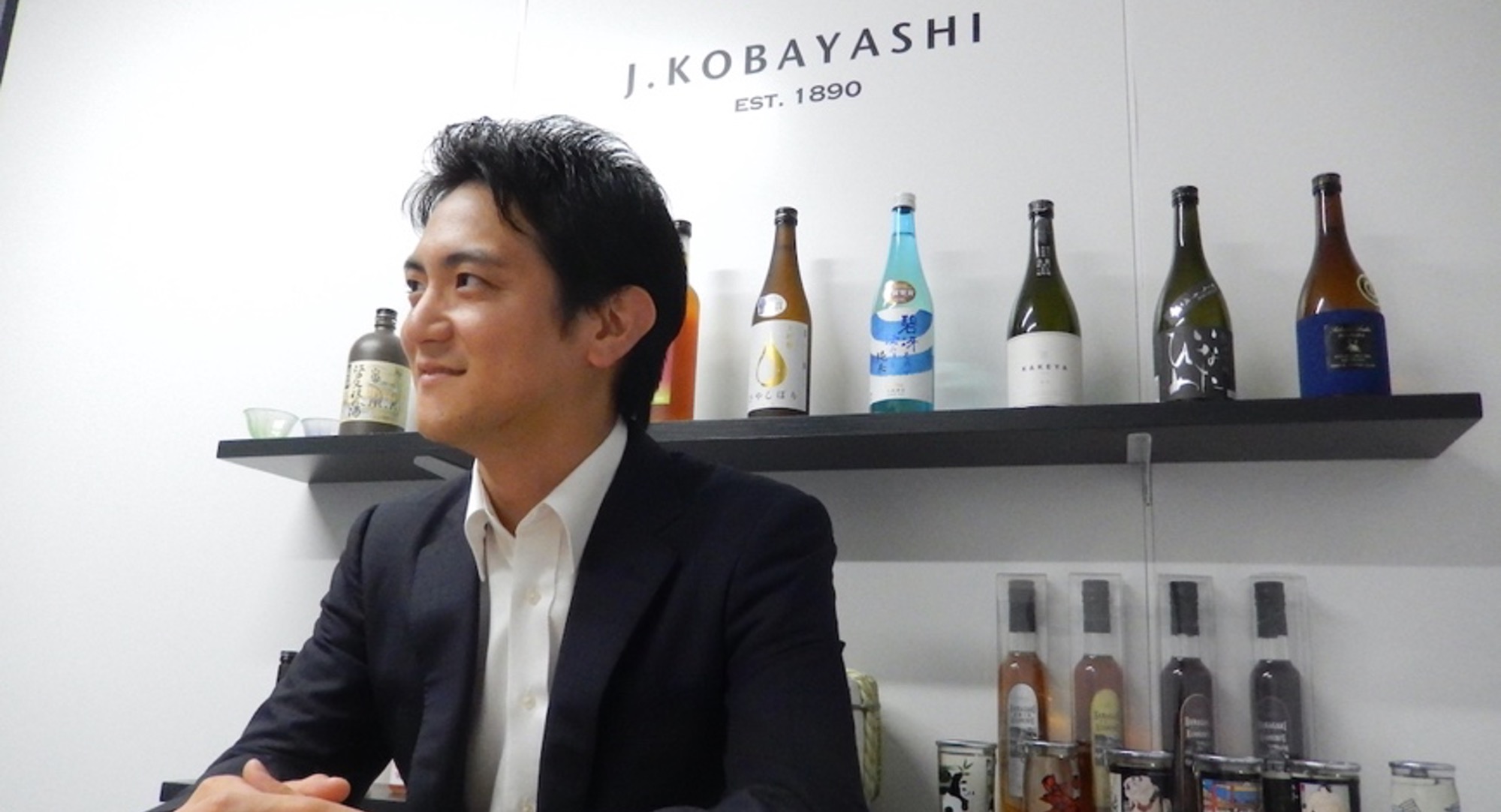
President & CEO, Kobayashi Junzo Shoten Co., Ltd.
Based in Osaka, I lead Kobayashi Junzo Shoten, a sake wholesaler founded in 1890. Through the cultural richness of Japanese sake, my mission is to connect people and bring smiles to dining tables around the world.
While technology continues to make the world feel smaller, the stories and traditions behind sake brewing can easily fade into the background. I see my role as a bridge—sharing the passion of brewers, opening doors for new audiences, and delivering sake in a way that feels more approachable and relatable.
I enjoy visiting sake breweries, learning about new rice varieties and brewing techniques, and spending time with toji (master brewers) and kurabito (brewery workers) to experience the spirit of sake-making firsthand. On this blog, I’ll share those encounters, my personal insights, and tips to help you enjoy sake even more.
Thank you for reading, and I look forward to connecting with you.
Latest Articles

One stop Quotation Inquiry System
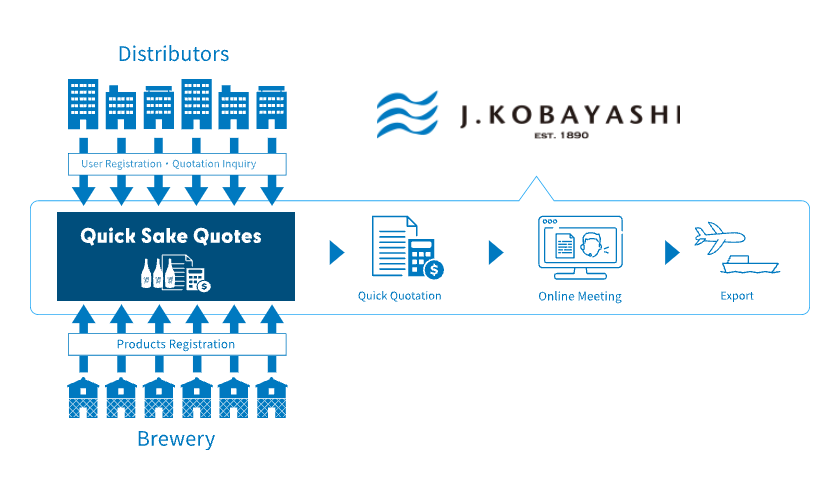
Quick SAKE Quote (QSQ) is a quotation inquiry system where you can receive quotations instantly. In most cases, it takes time to get a quotation for importing Sake, especially when dealing with several breweries. If you finally get an answer after a week or so, the response may be, “They already have a partner in your country,” and you have wasted your valuable time. Let's start your Sake import business efficiently with QSQ!
Read About QSQ
Contact Us
Quick SAKE Quote(QSQ hereafter) is a quotation inquiry system you can receive Quotation instantly.
Join our mailing list
Quick SAKE Quote(QSQ hereafter) is a quotation inquiry system you can receive Quotation instantly.
we will share content that:
Clear and explain the point without too much words.Contains at least one figure or clear example.Make you learn something new, or at least to remind you of it.